Bangladesh Parliament Reopens After Democratic Elections
After a deadly 2024 uprising ended authoritarian rule, Bangladesh's newly elected parliament convened this week with leaders pledging unity and democratic reform. The historic session marks a fresh start for 170 million people after months of turmoil.
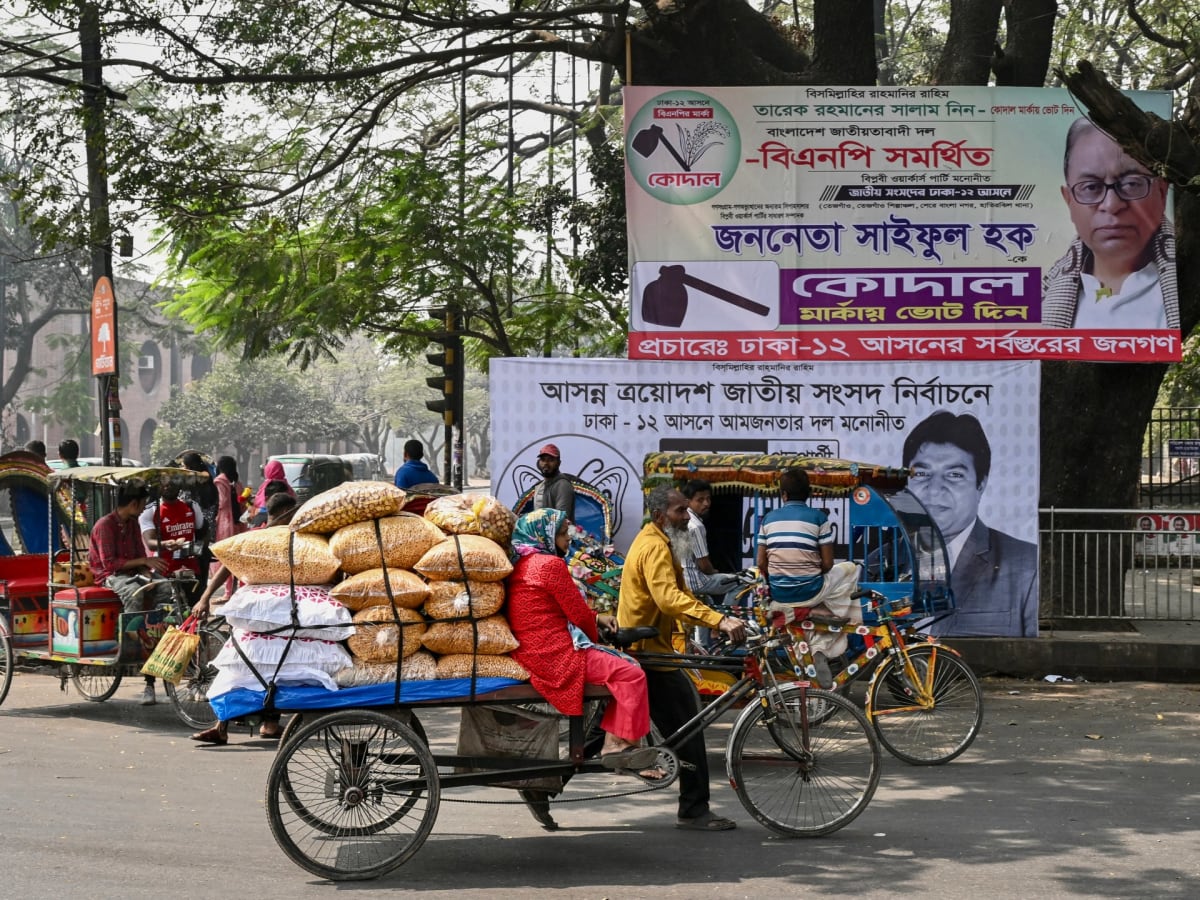
Bangladesh's parliament met for the first time Thursday since a popular uprising toppled an authoritarian government and paved the way for democratic elections last month.
Prime Minister Tarique Rahman addressed the newly elected body, declaring an end to what he called over 15 years of authoritarian rule. His Bangladesh Nationalist Party won 209 of 350 parliamentary seats in February elections that followed an interim government period.
The transition came after massive protests in August 2024 forced longtime leader Sheikh Hasina from power. The United Nations reported about 1,400 people died and more than 20,000 were injured during the uprising. Hasina, who has been sentenced to death in absentia for ordering deadly crackdowns, currently lives in exile in India.
Rahman used his first parliamentary address to call for national healing. "The BNP wants to build a prosperous, safe and democratic country," he told fellow lawmakers, urging politicians across the spectrum to work together regardless of political differences.
The new parliament elected Hafiz Uddin Ahmad as speaker and Kayser Kamal as deputy speaker, both from the BNP. The opposition will be led by Shafiqur Rahman of Jamaat-e-Islami, whose alliance secured 76 seats.
The Bright Side
This democratic transition shows how people power can peacefully restore representative government after years of authoritarian rule. The parliament building itself tells the story of renewal. Looted during last year's uprising, it has been completely repaired and now hosts elected representatives debating the nation's future.
Rahman promised to make parliament "the center of all debates and arguments aimed at resolving the country's problems." The new government faces urgent challenges including reviving an economy battered by months of political instability and managing an energy crisis linked to Middle East conflicts.
Bangladesh, the world's second largest garment exporter, depends heavily on fuel imports that have become more expensive due to regional tensions. The country has closed universities and implemented fuel rationing to manage shortages.
For a nation of 170 million people deeply divided by political rivalry, the peaceful transfer of power and calls for unity offer hope that democracy can take root again.
Based on reporting by Al Jazeera English
This story was written by BrightWire based on verified news reports.
Spread the positivity!
Share this good news with someone who needs it