Bangladesh Plans Carbon Credit Boost to Fight Climate Change
Prime Minister Tarique Rahman is launching a new action plan to help Bangladesh reduce emissions and earn carbon credits in the global market. The initiative focuses on renewable energy, forest conservation, and clean technology to tackle climate change while creating economic opportunities.
Bangladesh is turning climate action into opportunity with a bold new plan to reduce emissions and tap into the global carbon credit market.
Prime Minister Tarique Rahman directed officials to create a comprehensive action plan that could position the South Asian nation as a serious player in international carbon trading. The initiative targets emissions reduction through renewable energy expansion, cleaner industrial technologies, and massive reforestation efforts.
Carbon credits work like environmental currency. Countries and companies earn them by reducing greenhouse gas emissions through activities like planting forests, using solar power, or improving energy efficiency. These credits can then be sold to organizations that exceed their pollution limits, creating a financial incentive for climate action.
Officials at the meeting said Bangladesh has significant untapped potential in this market. With effective measures to cut greenhouse gas emissions, the country could generate substantial carbon credits under international standards.
The plan goes beyond just earning credits. Rahman emphasized the need for transparency in managing the system and building a reliable database to track progress. He also called for stronger coordination with international organizations to ensure Bangladesh meets global standards.
A new committee will help different government ministries and agencies work together more effectively on carbon credit initiatives. This coordination aims to streamline efforts across sectors like energy, industry, and forestry.
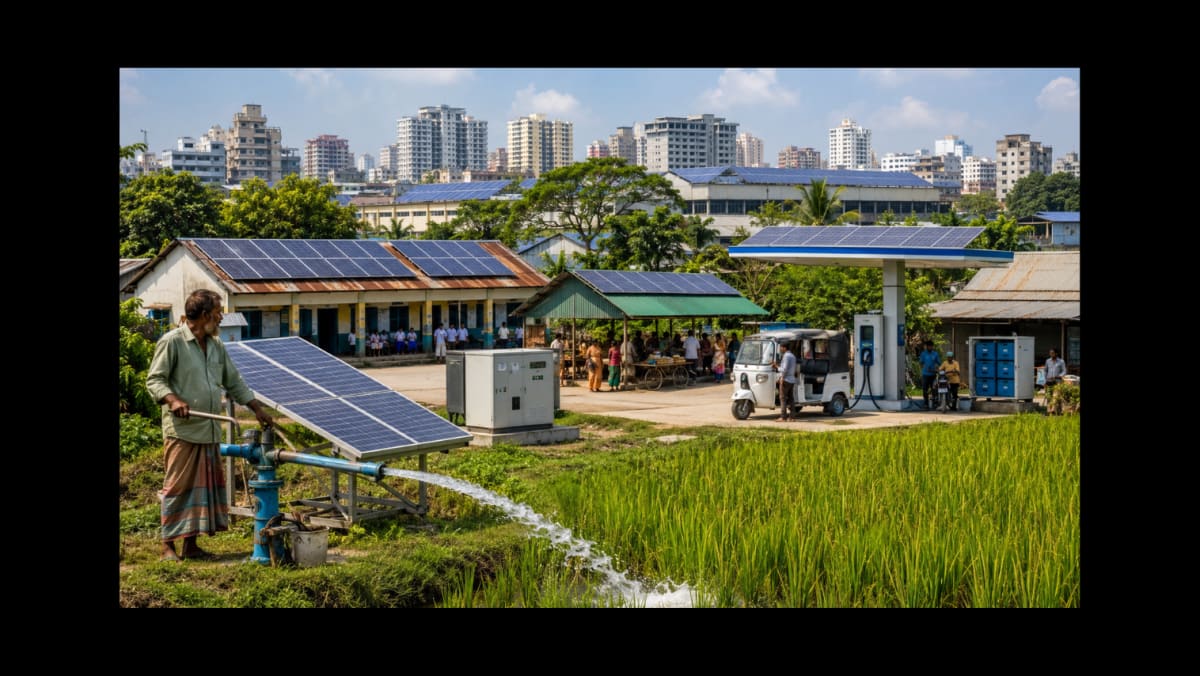
The prime minister outlined specific steps including ramping up renewable energy use, introducing environment-friendly technologies in factories, improving how efficiently the country uses energy, protecting existing forests, and expanding tree planting programs to absorb more carbon from the atmosphere.
The Ripple Effect
This initiative shows how climate action can create wins on multiple fronts. Bangladesh faces serious threats from rising sea levels and extreme weather, making emissions reduction critical for the country's future. At the same time, the carbon credit market offers real economic benefits that could fund more environmental projects.
Environment and Climate Change State Minister Sheikh Faridul Islam joined senior government officials and advisers at the climate meeting held at the Cabinet Division in the Bangladesh Secretariat. Their presence signals serious governmental commitment to making this plan work.
The meeting represents a shift toward viewing climate challenges as opportunities rather than just problems to manage. By building the infrastructure for carbon credit trading now, Bangladesh positions itself to benefit as global demand for emissions reductions continues growing.
Countries worldwide are racing to meet climate targets, and Bangladesh's natural advantages in areas like reforestation could become valuable assets in the international market. With proper planning and transparent systems, the nation could turn its climate vulnerability into climate leadership.
More Images


Based on reporting by Google News - Emissions Reduction
This story was written by BrightWire based on verified news reports.
Spread the positivity!
Share this good news with someone who needs it