Bangladesh Rescues Rare Venomous Primate From Village
A rescued Bengal slow loris found safety after wandering into a Bangladesh village, highlighting progress in protecting one of Earth's most endangered primates. New technology and stronger laws are helping officials win the fight against wildlife trafficking.
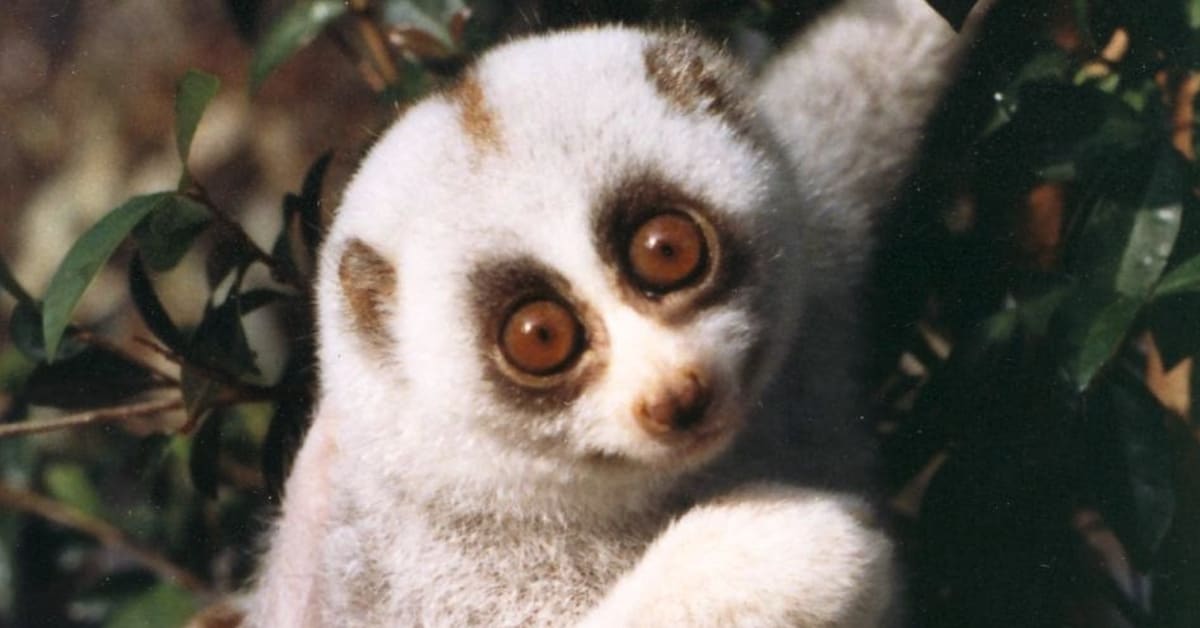
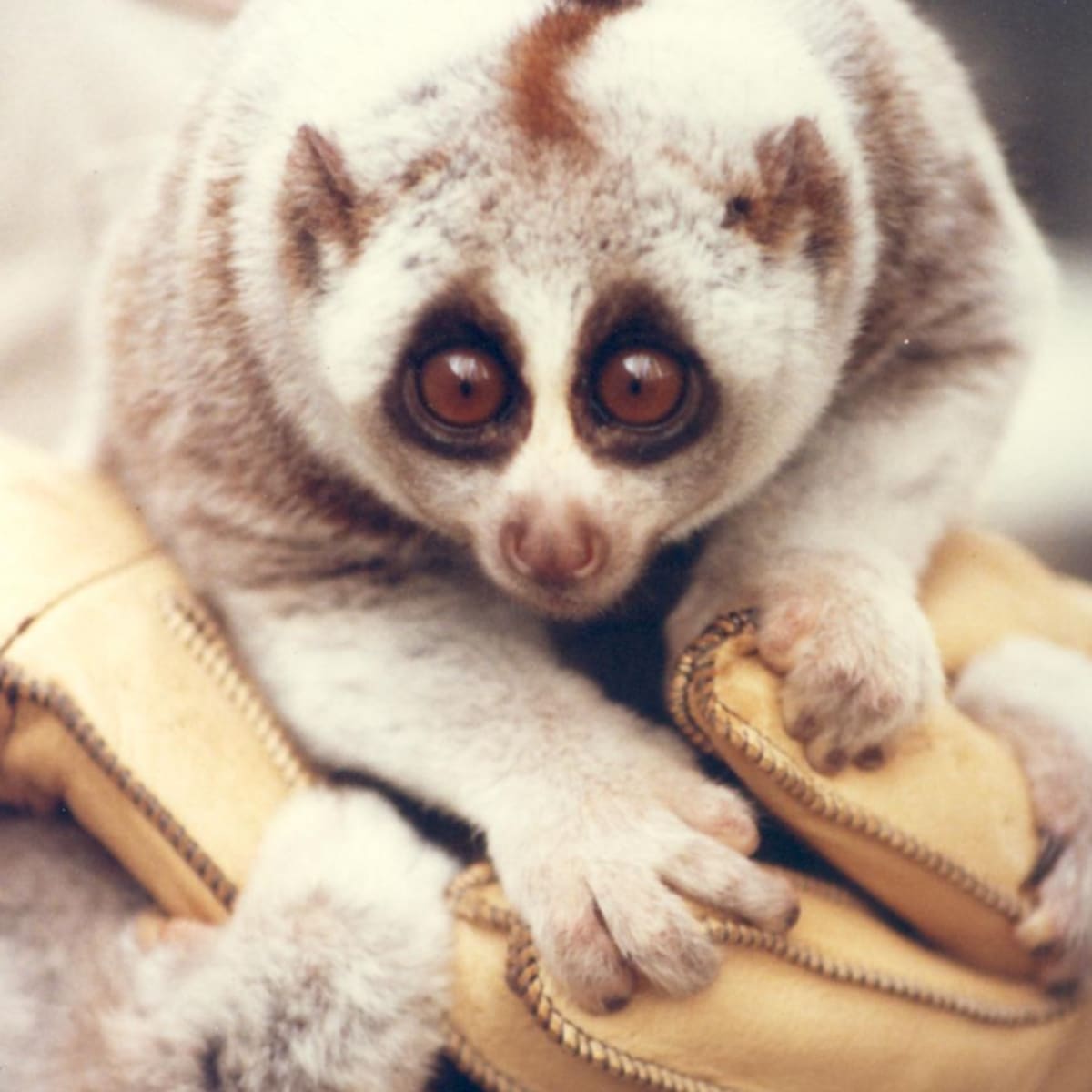
When a tiny endangered primate wandered into Paschim Deorgach village in Bangladesh this April, wildlife officer Mehedi Hasan knew exactly what to do. The Bengal slow loris, a rare nocturnal primate with bulbous eyes and a venomous bite, was safely returned to Satchari Reserve Forest the same day without injury.
The rescue represents just one piece of a much larger conservation puzzle. These small primates, measuring only 10 to 15 inches from head to tail, play a crucial role in Southeast Asian forests by pollinating plants and dispersing seeds as they move through tree canopies at night.
But habitat loss and illegal pet trade have pushed Bengal slow lorises toward extinction. The International Union for Conservation of Nature predicts a 30% population decline over the next three generations, and experts say reintroducing rescued animals isn't as simple as releasing them back into the wild.
"When you take an animal out of the wild, even though it's still alive, it no longer has an ecological function," said Anna Nekaris, a professor at Anglia Ruskin University and vice chair of the IUCN's Primate Specialist Group. Her research shows that rescued slow lorises struggle to find food and integrate with wild populations, especially since deforestation has made territorial disputes more deadly among these venomous primates.
The Bright Side
Bangladesh isn't backing down from the challenge. The country recently banned advertising, buying, or selling wildlife on social media, closing a major avenue for traffickers.
Officials also rolled out Spatial Monitoring and Reporting Tool (SMART) technology in protected areas, giving frontline staff better data to combat poaching in real time. "The SMART patrolling approach will help us to better combat poaching, illegal fishing, vessel and pollution infractions, and other forest crimes," said Zahir Ahmed, Khulna Division's Conservator of Forests.
These measures address what Nekaris and her colleagues identify as the real solution: preventing poaching before it happens. Rescue and rehabilitation matter, but stopping the illegal wildlife trade at its source protects both individual animals and their ecological functions in the wild.
Local officials like Mahmud Hossain recognize that human activity continues to push wildlife from native habitats into villages. Yet the quick, safe rescue of this slow loris shows that when communities, wildlife officers, and conservation technology work together, endangered species have a fighting chance.
More Images

Based on reporting by Good Good Good
This story was written by BrightWire based on verified news reports.
Spread the positivity!
Share this good news with someone who needs it