Bank Access Helps African Women Weather Climate Disasters
Women in sub-Saharan Africa with bank accounts are better able to protect their families during droughts, floods, and extreme weather. A new study shows financial access creates immediate resilience, though long-term protection requires tackling gender inequality too.
Women across sub-Saharan Africa are proving that a simple bank account can be the difference between surviving a climate disaster and losing everything.
A new study published in Climate Risk Management tracked 25,511 women-headed households across 37 countries and found something remarkable. When women had their own bank accounts and financial access, their families bounced back faster from droughts, floods, and extreme weather events.
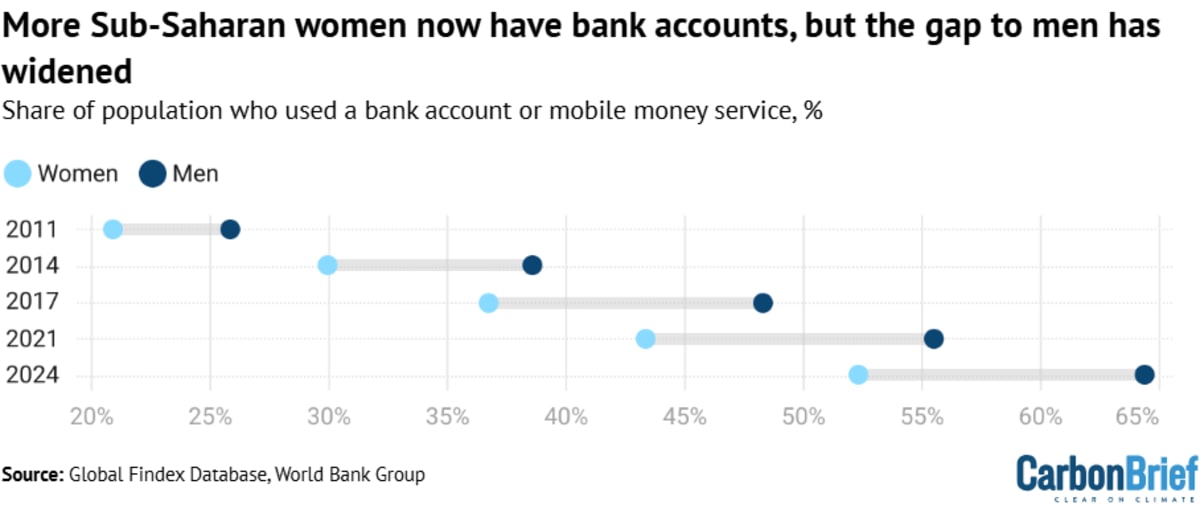
The research comes at a critical time. Women in the region face a double challenge: they're hit hardest by climate change while also having the least access to financial resources. Only 52% of women had bank accounts in 2024, and the gap between men and women has actually widened over the past decade.
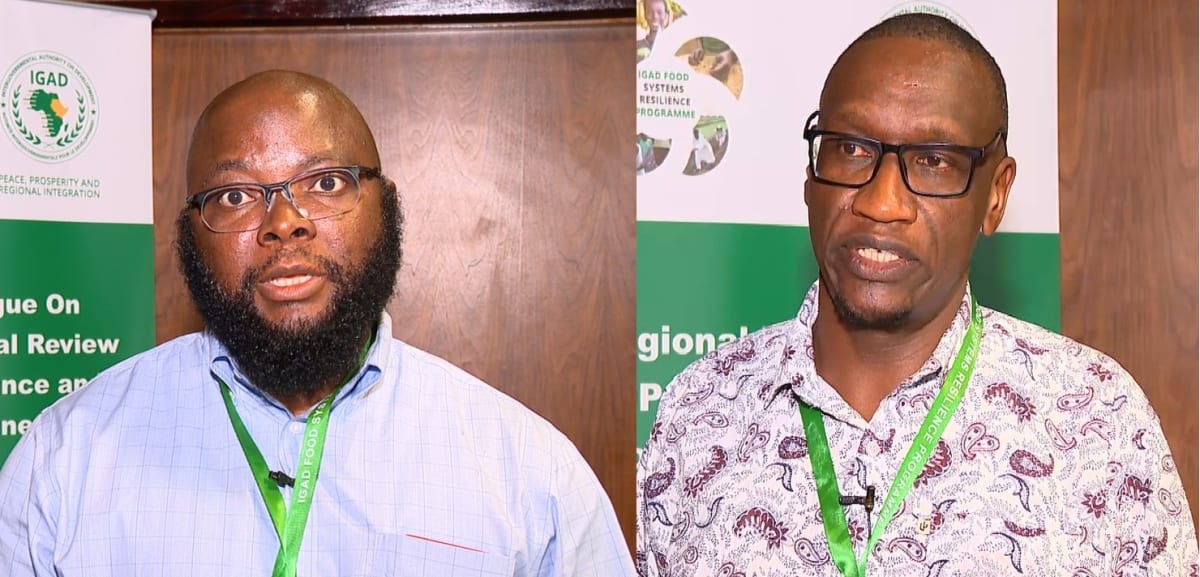
Francis Anaisie, an economist at the University of Cape Coast in Ghana who worked on the study, explains the connection. Financial access lets women make quick decisions during emergencies, like buying drought-resistant seeds, accessing credit when crops fail, or selling food at better prices when disaster strikes.
The study measured resilience using real-world data about how households cope with food insecurity, climate swings, and economic shocks. Women with financial empowerment showed stronger ability to absorb immediate climate impacts through community networks and smart resource management.
Tracy Kajumba from the International Institute for Environment and Development puts it simply. Women are on the front lines doing the farming, planting, and harvesting that climate change disrupts most. Without income to invest in water-saving technology or resilient crops, adaptation becomes nearly impossible.
The Ripple Effect
The findings go beyond individual households. When women gain financial independence, they gain political and economic power too. The study found financially included women had greater voting rights, financial security, and stronger community connections.
This creates a ripple of resilience that spreads through entire communities. Women make decisions that protect not just their own families but build mutual-support networks that help neighbors weather storms together.
The research does reveal one limitation. While bank accounts help families survive short-term shocks like sudden floods or heat waves, protecting against long-term threats like rising sea levels requires pairing financial access with broader efforts to end gender inequality.
Still, the path forward is clear: getting more women access to bank accounts, mobile phones, and internet services doesn't just empower them economically. It builds climate-ready communities from the ground up, one account at a time.
More Images
Based on reporting by CleanTechnica
This story was written by BrightWire based on verified news reports.
Spread the positivity!
Share this good news with someone who needs it