Bank of England Bans Coal Bonds in Historic Climate Win
The Bank of England just became one of the world's strictest central banks on climate, banning thermal coal bonds from its loan system. The October policy could push commercial banks worldwide to rethink their dirtiest investments.
One of the world's most powerful financial institutions just drew a line in the sand against coal.
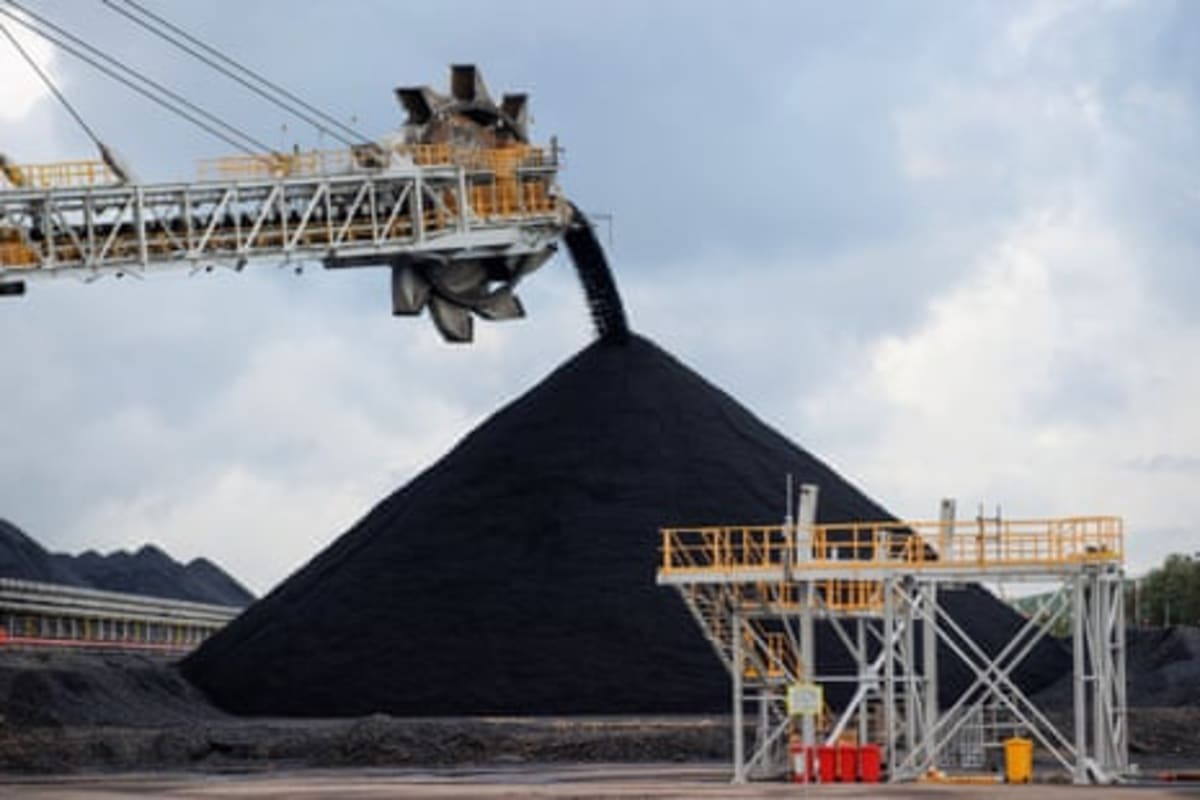
The Bank of England announced it will no longer accept bonds linked to thermal coal as collateral for loans to commercial banks. The ban takes effect in October and marks a major shift in how central banks view fossil fuel risk.
The policy means commercial giants like Barclays, HSBC, and Lloyds can't use coal-linked bonds as backup when borrowing from the central bank. It's a clear signal: thermal coal bonds are now too risky to sit on the Bank's balance sheet.
"It's a strong signal from a central bank, and to the market as well," said Ellie McLaughlin from campaign group Positive Money. The Bank quietly released the policy in June with little fanfare, but climate advocates are celebrating it as a major victory.
The timing matters. While about 150 of the world's largest financial companies have some restrictions on thermal coal business, this policy goes further than most western central banks. The European Central Bank hasn't adopted anything this strict.
The Bank's reasoning is straightforward. As the world shifts toward cleaner energy, thermal coal assets could become worthless. The policy statement explains that coal companies "can be exposed to potential financial risks connected to the adjustment of the economy towards net zero."
Activists hope the ripple effects will be significant. If commercial banks can't use coal bonds as collateral, they may decide these assets aren't worth holding at all. That could accelerate the financial world's exit from one of the planet's most polluting industries.
The policy comes despite a US-led backlash against green initiatives since Donald Trump returned to the White House. Many financial companies have scaled back climate commitments under political pressure, making the Bank of England's move even more notable.
The Ripple Effect
This isn't just about one central bank's balance sheet. When major financial institutions label certain assets as too risky, the entire market pays attention. Commercial banks now face a choice: hold onto coal bonds and lose flexibility in their central bank borrowing, or divest from thermal coal entirely.
The message to investors is clear. Climate risk is financial risk, and institutions are starting to treat it that way.
McLaughlin notes there's room to grow. The Bank hasn't detailed exactly how it will calculate risk adjustments for other climate-exposed sectors. Campaigners want to see the policy expand beyond thermal coal to cover all fossil fuel expansion and deforestation.
But as a first step, it's powerful. In an era when climate action often feels stuck, a major central bank just made fossil fuels less valuable with the stroke of a pen.
Sometimes the biggest changes happen quietly, one policy at a time.
More Images

Based on reporting by Guardian Environment
This story was written by BrightWire based on verified news reports.
Spread the positivity!
Share this good news with someone who needs it