Banned Journalist Keeps Reporting on Southeast Asia Forests
Environmental journalist Gerry Flynn was permanently banned from Cambodia in January 2025, likely for exposing illegal logging and land grabs. Now based in Thailand, he's covering the Mekong region more than ever.
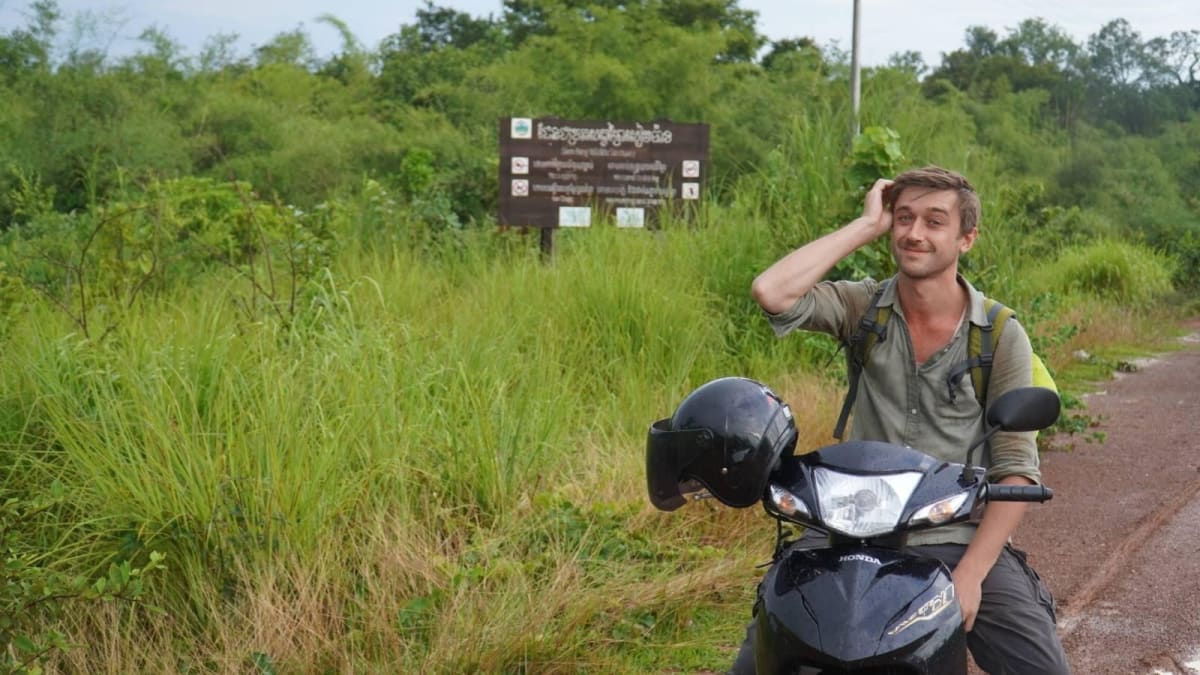
When Cambodia denied entry to journalist Gerald "Gerry" Flynn in January 2025, it wasn't a surprise. His reporting had spent years shining light on illegal logging networks, land grabs, and environmental crimes across the country.
But the ban didn't silence him. Instead, Flynn expanded his coverage across the entire Mekong region from his new base in Thailand, proving that accountability journalism can't be stopped at a border.
Flynn joined Mongabay as a features writer in 2023 after investigating illegal logging networks in Cambodia's Cardamom Mountains. His work focuses on the intersection of human rights and environmental protection, exposing stories that state-controlled media won't touch.
"I see my role as filling in the gaps," Flynn says. "Covering the environmental issues that aren't being published in government-run outlets."
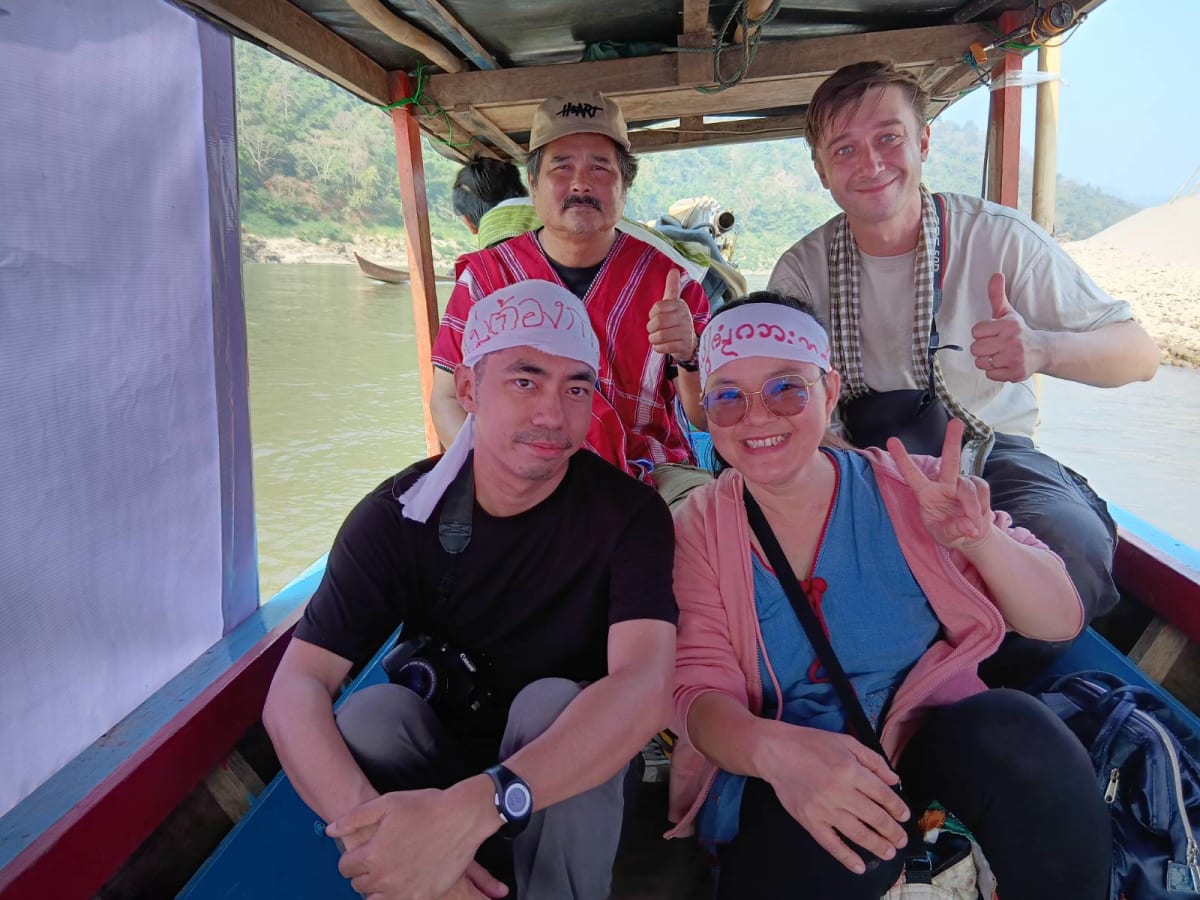
The risks are real. Flynn has documented timber traffickers on the Sekong River and tracked mining operations in areas where press freedom barely exists. He knows that working in authoritarian contexts means balancing bravery with safety.
"You're likely better to inform people and inspire change if you're alive and free to write," he acknowledges.
Why This Inspires
What keeps Flynn motivated isn't just the environmental damage he documents. It's the local communities he meets who refuse to stay silent.
"Even in the direst situations I've covered, there is almost always someone, somewhere, standing up against the powers that seek to profit from plundering the environment," he says.
In mainland Southeast Asia, where millions depend on forests and rivers for survival, Flynn's reporting amplifies voices that would otherwise go unheard. His ban from Cambodia only reinforced his conviction that evidence-based journalism is essential.
"The violence of the response to environmental reporting only serves to highlight the importance of dragging environmental crimes out of the shadows," Flynn explains.
Working in a region with limited press freedom means Flynn often builds his own datasets and teaches himself new skills with geospatial data. When public information is scarce or outdated, he improvises.
The work matters because environmental degradation in the Mekong region directly affects human rights. As forests disappear and rivers are exploited, local communities face displacement, loss of livelihoods, and sometimes arrest for defending their land.
Flynn hopes future generations can enjoy the outdoors without fear. Until then, he'll keep reporting from wherever he can access the truth.
More Images
Based on reporting by Mongabay
This story was written by BrightWire based on verified news reports.
Spread the positivity!
Share this good news with someone who needs it