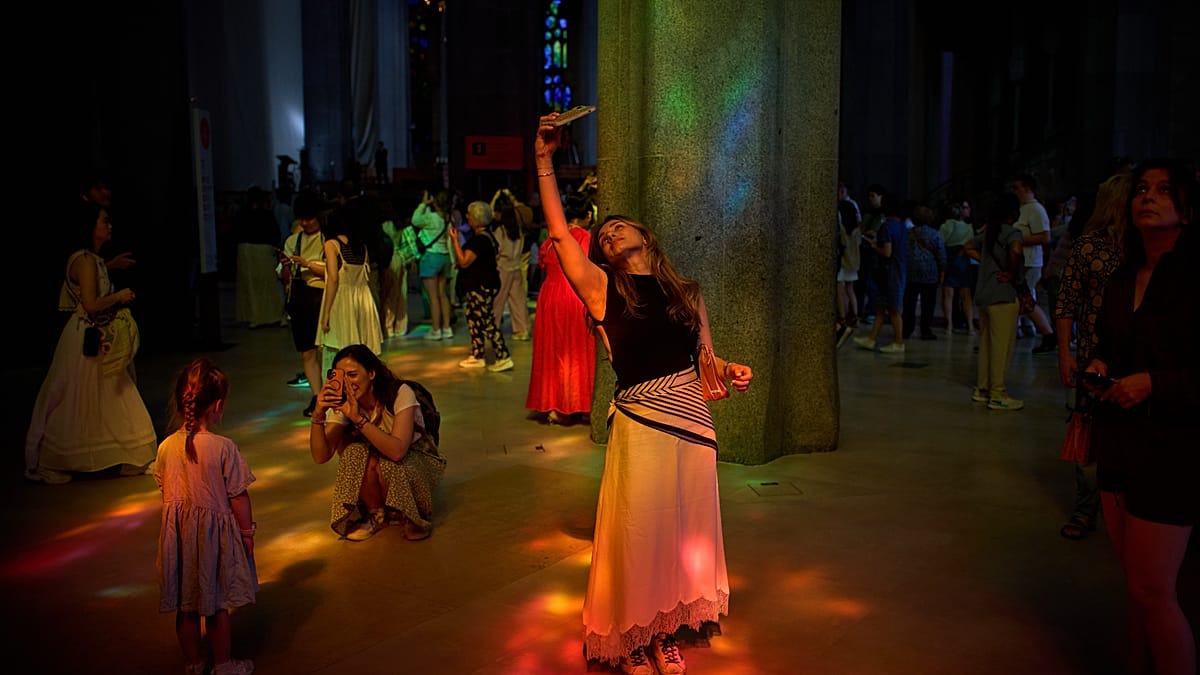
Barcelona Celebrates 100 Years of Gaudí's Timeless Vision
A century after Antoni Gaudí's death, Barcelona honors the visionary architect whose playful, nature-inspired buildings transformed the city into a global icon of creativity and wonder. His masterpiece, the Sagrada Família, continues inspiring millions as a testament to ambitious dreams that outlive their dreamers.
One hundred years ago this month, Barcelona lost the architect who would make it famous forever.
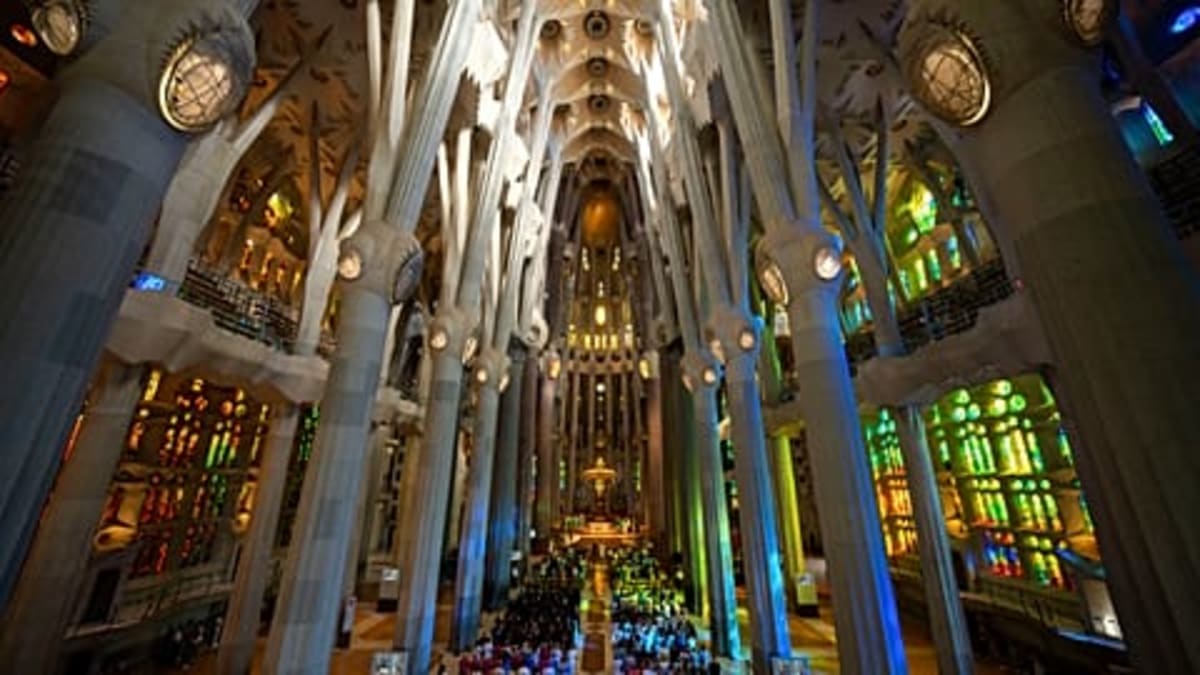
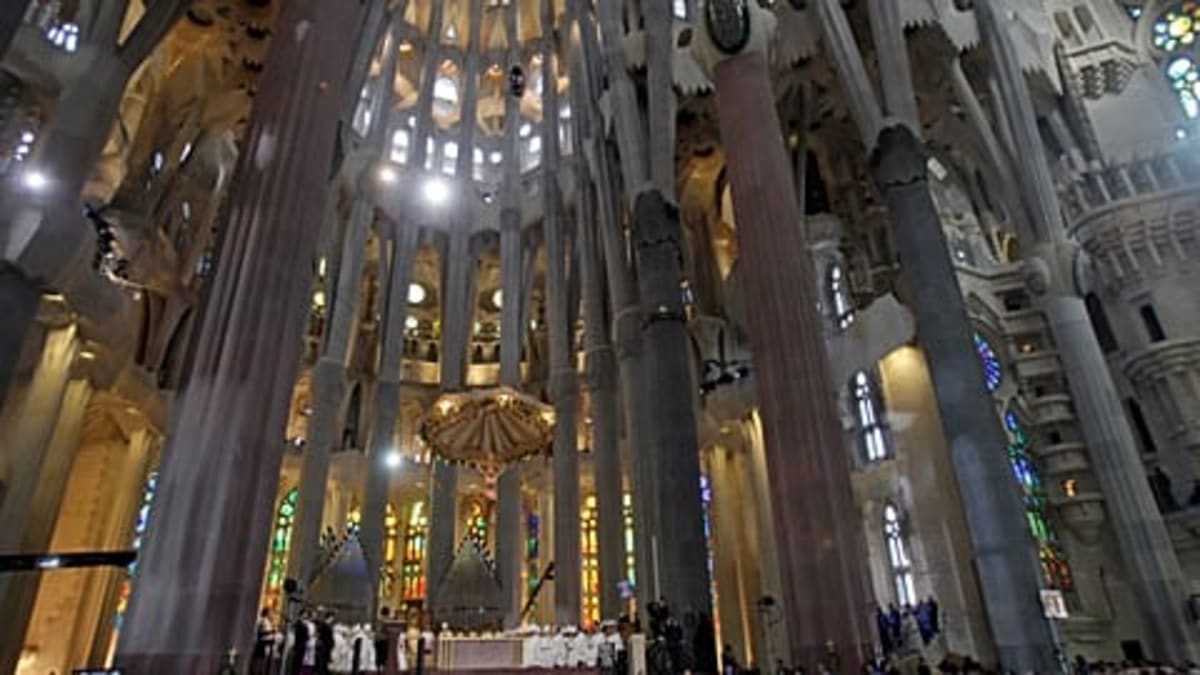
Antoni Gaudí died on June 7, 1926, after being struck by a tram while walking to his daily mass. He was 74 years old, and his greatest work, the Sagrada Família basilica, remained unfinished. It still does today, drawing over 26 million visitors annually to marvel at what one person dared to imagine.
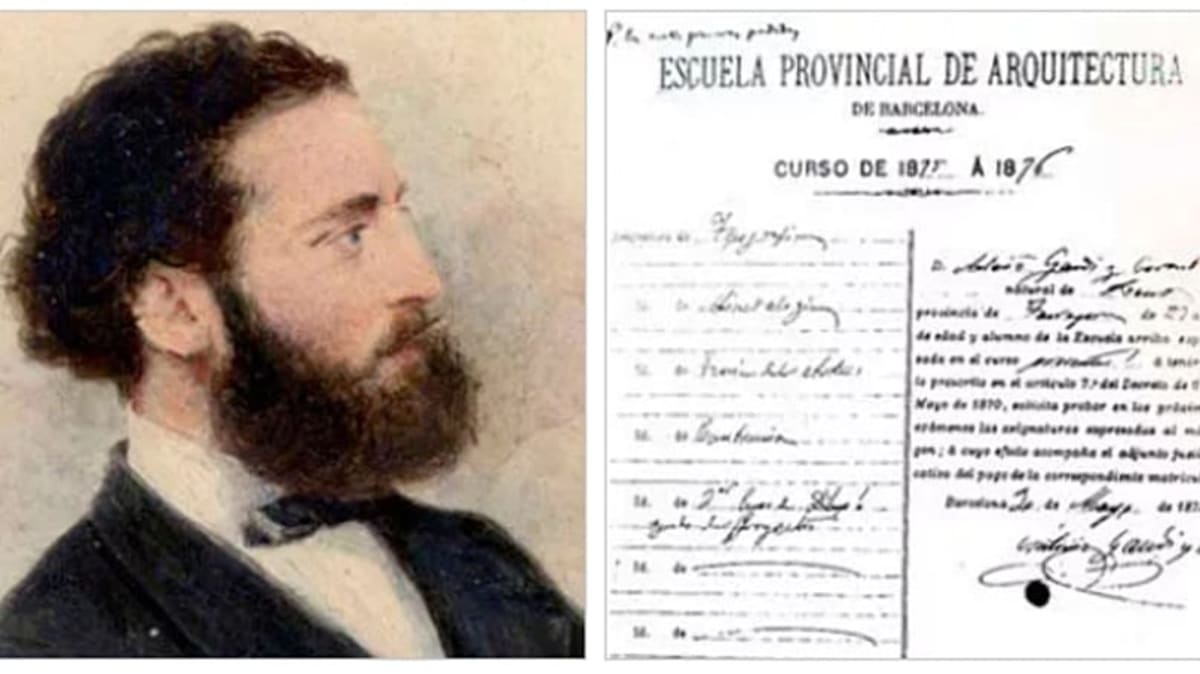
Born in 1852 to a modest family of coppersmiths, young Antoni spent his childhood battling rheumatic fever that kept him from school. Instead, he learned metalwork from his father, developing an eye for curves and forms that would later define his revolutionary style.
When his family moved to Barcelona in 1868, the city was exploding with possibility. Medieval walls had just been torn down, railways were connecting cities for the first time, and a cultural renaissance was sweeping through Catalonia. Gaudí entered architecture school in 1874 and quickly became part of a movement that believed buildings should celebrate nature, not fight against it.
His first major project came at age 23, designing a waterfall system for Barcelona's 1888 Universal Exposition. From there, wealthy patrons like industrialist Eusebi Güell commissioned increasingly bold works. Gaudí created buildings that looked like living organisms: rippling stone facades, colorful mosaics that caught sunlight like fish scales, and columns that branched like trees.
He even tried his hand at social justice, designing the Mataró Workers' Cooperative in 1878. This ahead-of-its-time complex included not just a factory, but affordable housing and gardens for workers during the height of labor movements across Europe.
The Ripple Effect
Today, Gaudí's seven Barcelona buildings are UNESCO World Heritage Sites. Casa Milà, with its undulating stone exterior, looks as futuristic now as it did in 1912. Park Güell's rainbow mosaics have become one of the world's most photographed spots. And the Sagrada Família, still under construction after 144 years, proves that some visions are so powerful they inspire generations to finish what one person started.
His architecture school director famously wondered whether he'd just graduated "a madman or a genius." Time answered emphatically: both, perhaps, but genius won out.
Gaudí showed the world that buildings could be joyful, that stone could dance, and that following nature's wisdom creates spaces where humans thrive. He turned an industrial city into a playground of imagination, proving that bold creativity leaves a legacy no tragedy can erase.
A century later, millions still visit Barcelona to see what happens when someone refuses to build boxes.
More Images
Based on reporting by Euronews
This story was written by BrightWire based on verified news reports.
Spread the positivity!
Share this good news with someone who needs it
%2Fhttps%3A%2F%2Ftf-cmsv2-smithsonianmag-media.s3.amazonaws.com%2Ffiler_public%2Fd4%2F65%2Fd4658cbb-a59c-48fd-a30e-d0405f9c5a46%2Fgettyimages-2266112088.jpg)