Barcelona Cuts Street Noise 3dB With Pedestrian Green Axes
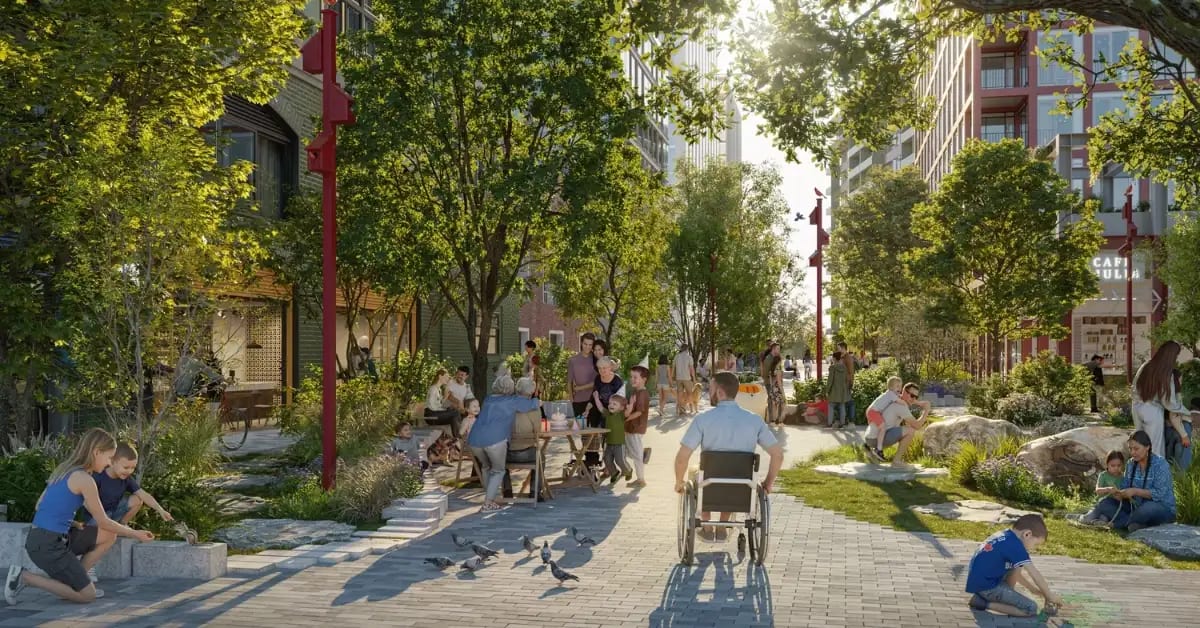
Barcelona's experiment in turning car-heavy streets into pedestrian green spaces just proved what health experts have been hoping for: less traffic really does mean quieter, more livable neighborhoods. After one year, residents are using their balconies more and street-facing rooms are finally peaceful enough to enjoy.
Imagine opening your bedroom window in the morning and actually hearing birds instead of traffic. That's becoming reality for thousands of Barcelona residents thanks to a simple but powerful change: taking back streets from cars.
One year after Barcelona pedestrianized several streets in its central Eixample district, researchers found the average daily sound level dropped by 3.1 decibels. That might not sound like much, but acoustically it represents a significant improvement that residents can hear and feel every day.
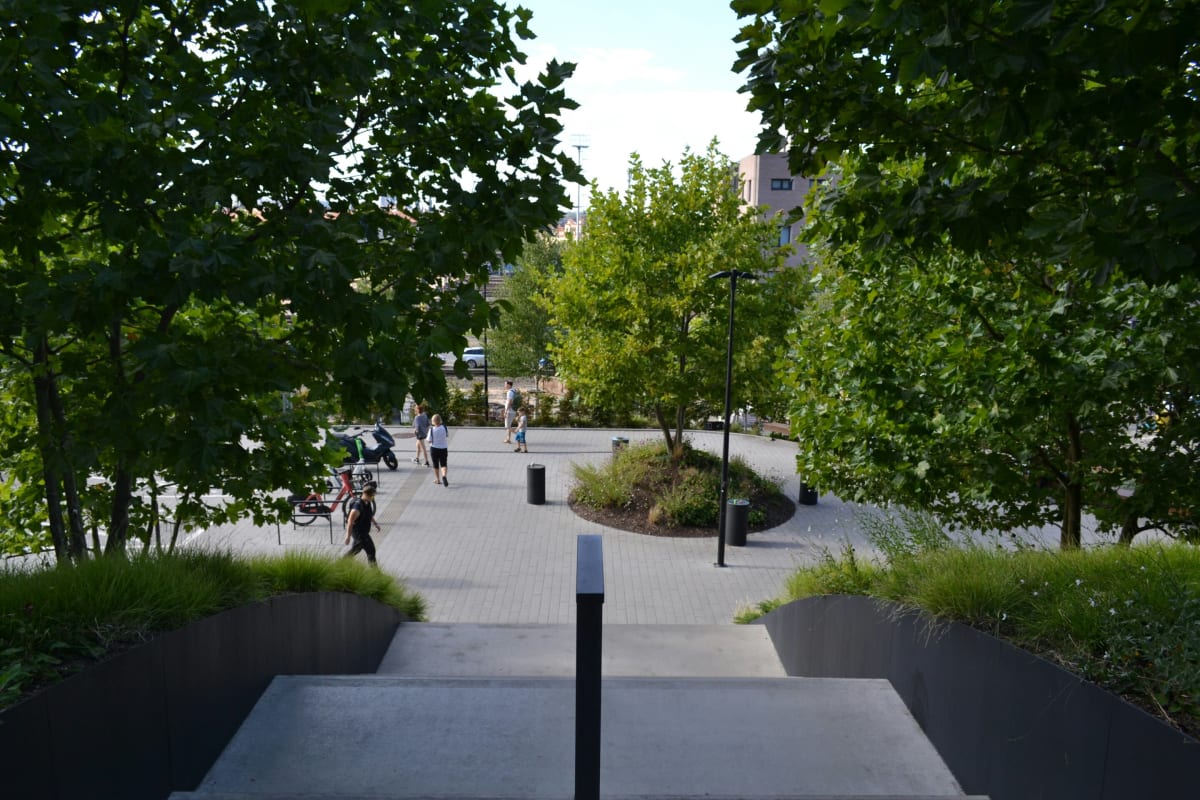
The research team from the Autonomous University of Barcelona analyzed data from seven permanent sound monitoring stations before and after the transformation. These new "green axes" are part of Barcelona's innovative "superblocks" program, which reimagines city streets as spaces for people rather than vehicles.
The quietest spots? Public squares created where two green axes intersect, far from through traffic. The biggest improvements happened during weekdays and daytime hours when car traffic would normally be heaviest.
Here's where it gets interesting: researchers worried that swapping car noise for people noise would just trade one problem for another. The data says otherwise. While weekend evenings do see similar sound levels as before (thanks to outdoor dining and socializing), the overall noise reduction holds strong across most times and days.
The Ripple Effect
The impact goes beyond decibel readings. A survey of 1,211 neighborhood residents revealed how noise shapes daily life in ways most of us don't consciously notice.
On heavy traffic streets, 59% of residents said noise affected their use of street-facing rooms. On the new green axes, that number dropped to 47%. People are reclaiming parts of their homes that used to be too loud to enjoy comfortably.
Balcony use tells an even clearer story. Residents on traffic-calmed streets spend noticeably more time on their balconies than neighbors on busy roads. When your outdoor space doesn't come with a constant soundtrack of engines and horns, you actually want to use it.
Samuel Nello-Deakin, the study's lead researcher, confirmed that fears about pedestrian noise replacing traffic noise are "unfounded," at least in these locations. Human activity simply doesn't generate the persistent, intrusive sound that motorized traffic does.
The city isn't perfect yet. Noise levels still exceed World Health Organization recommendations of 53 to 55 decibels outdoors, and an estimated 94.7% of Barcelona's population lives with noise above those guidelines. Dense Mediterranean cities face unique challenges in meeting international standards.
But this research proves that cities can get meaningfully quieter without sacrificing vibrancy. The study provides a roadmap for other dense urban areas looking to improve quality of life through thoughtful street design that prioritizes people over cars.
More Images

Based on reporting by Phys.org - Earth
This story was written by BrightWire based on verified news reports.
Spread the positivity!
Share this good news with someone who needs it