Barcelona Hotel Dig Rewrites 2,000 Years of Roman History
Workers installing an elevator beneath a Barcelona hotel just uncovered massive stone slabs that are forcing historians to completely reimagine how ancient Rome built one of its most important cities. What started as a routine inspection turned into a two-year dig that revealed the civic heart of Roman Barcelona—and proved scholars had its location wrong all along.
Workers installing an elevator shaft beneath a Barcelona hotel just stumbled onto a discovery that's rewriting 2,000 years of history.
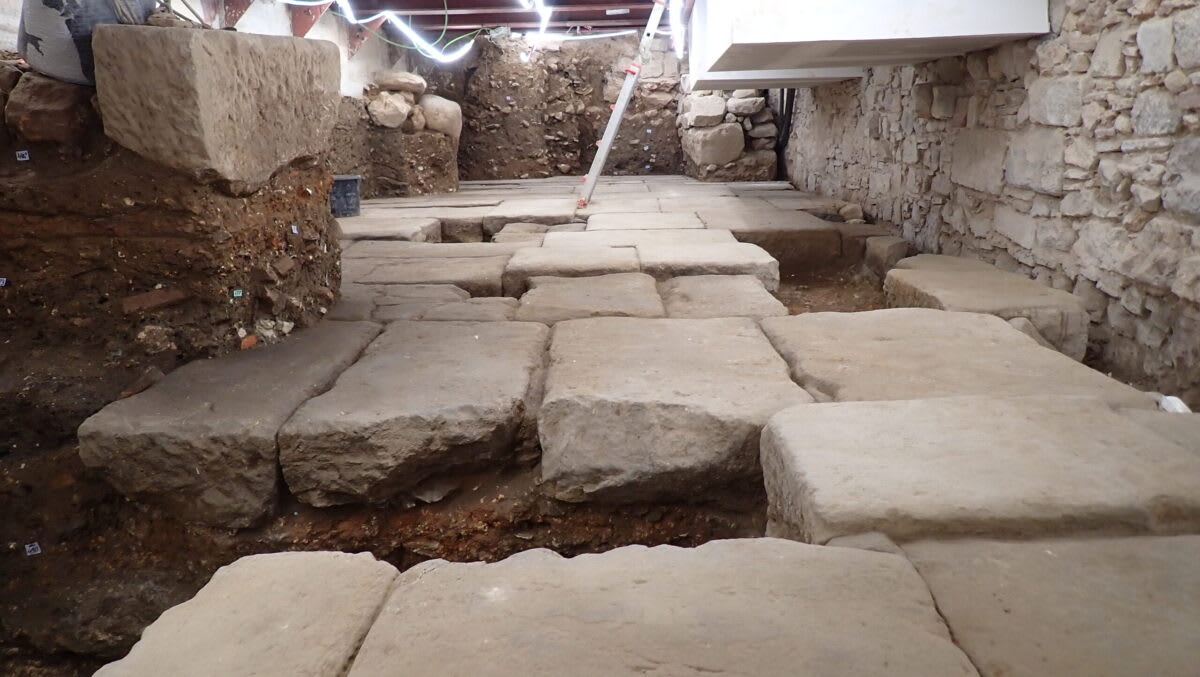
Beneath the Gran Hotel Barcino in Barcelona's Gothic Quarter, archaeologists uncovered a massive stone pavement from the ancient Roman forum—the civic and political heart where residents gathered nearly two millennia ago. The find dates back to between 15 and 10 BC, when the Roman colony of Barcino was first founded.
What makes this discovery extraordinary isn't just its age. The orientation of the stone slabs is forcing historians to admit they've had the city's layout wrong for decades.
The excavation began in June 2023 as a small preventive inspection covering just six square meters. When archaeologists realized what they'd found, the dig expanded to 80 square meters and continued for more than two years.
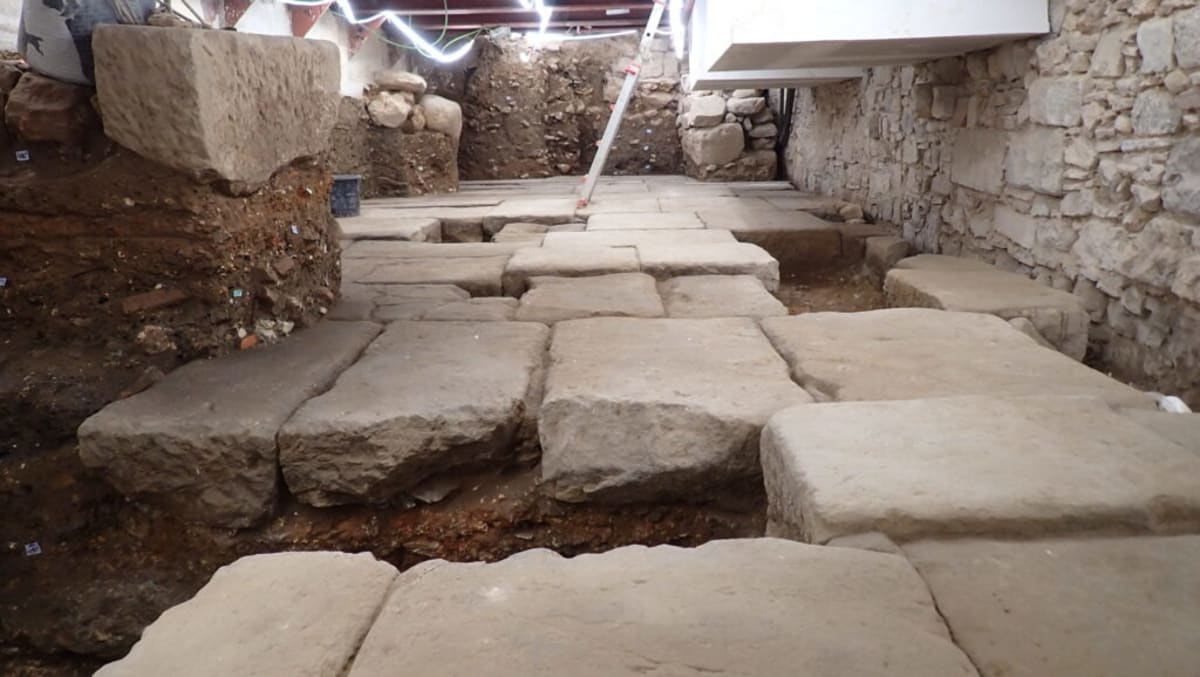
The pavement consists of enormous rectangular stone slabs quarried from Montjuïc, the hill overlooking modern Barcelona. Some blocks measure nearly five feet long and four feet wide, precisely cut and fitted to create a stable, impressive surface worthy of Roman engineering.
Here's where history gets rewritten. Roman cities were built around two main axes: the cardo running north-south, and the decumanus running east-west, with the forum where they intersected.
For decades, scholars believed Barcelona's forum was aligned parallel to the cardo near the modern Plaça Sant Jaume. But this newly discovered pavement runs parallel to the decumanus instead—meaning the forum was actually rotated 90 degrees from what historians thought.
The Ripple Effect
This discovery doesn't just change one ancient plaza's location. It transforms how scholars understand the entire spatial organization of Roman Barcelona and the arrangement of its public buildings.
The find represents the earliest example of monumental public paving ever discovered in Barcelona. It offers physical proof of how Romans engineered their cities to last millennia, with stones so carefully fitted that they still lie intact more than two meters beneath modern streets.
The pavement will be preserved and integrated into the hotel, allowing visitors to walk above the same civic space where Roman citizens gathered two thousand years ago. Future guests will literally sleep above history that scholars are still rewriting.
The discovery reminds us that even in cities we think we know completely, the past is still waiting just beneath our feet—ready to surprise us with stories we got wrong and engineering marvels we forgot existed.
More Images
Based on reporting by Google: archaeological discovery
This story was written by BrightWire based on verified news reports.
Spread the positivity!
Share this good news with someone who needs it
%2Fhttps%3A%2F%2Ftf-cmsv2-smithsonianmag-media.s3.amazonaws.com%2Ffiler_public%2Ff8%2F2a%2Ff82aae37-3a31-4995-b8f3-4be66db320c8%2Fmembers_of_the_research_team_during_the_documentation_and_analysis_work.jpeg)