Bats in Your Garden Signal a Thriving Ecosystem
Those dark shapes zigzagging across your yard at dusk aren't random visitors. Scientists say returning bats mean your garden is healthier than you think.
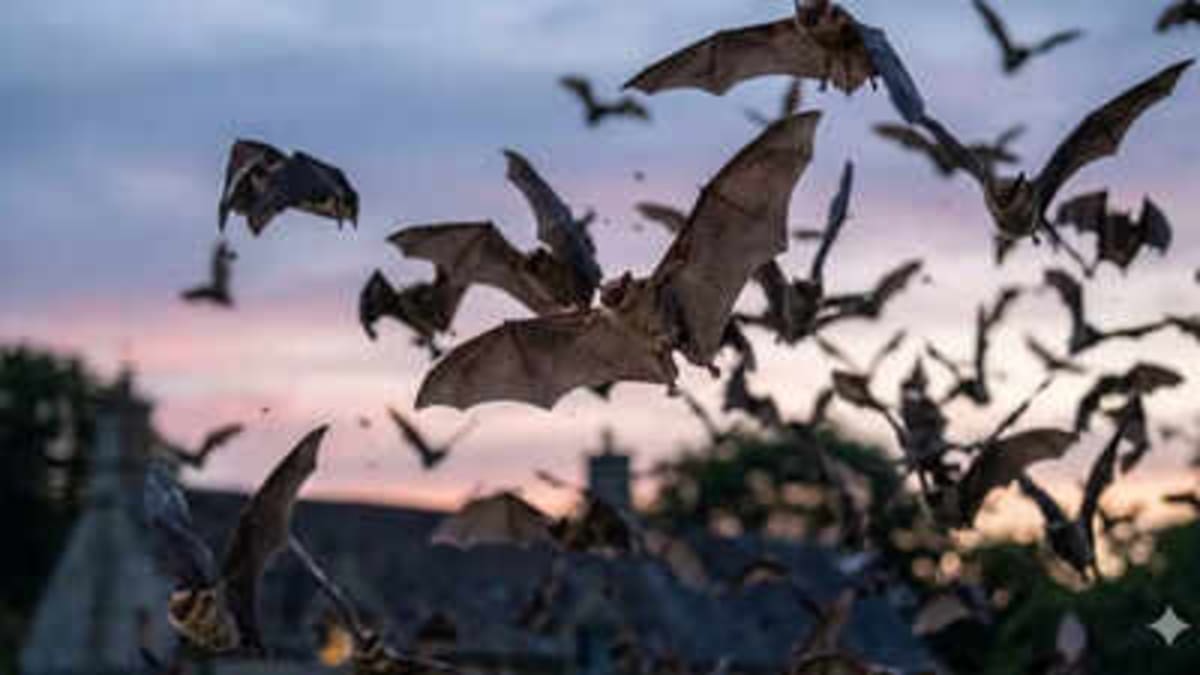
If you've noticed bats swooping through your yard after sunset, your garden might be doing better than most. Those nightly visits aren't coincidence. They're a sign your outdoor space is supporting a thriving web of life.
Most backyard bats feast on insects like mosquitoes, moths, and beetles. A single bat can catch hundreds of bugs in one night using echolocation, sending out high-frequency sound pulses to hunt in total darkness. According to the U.S. Department of Agriculture, this natural sonar lets them detect tiny insects while darting between trees and flowers.
Gardens with diverse plants, trees, or small water features attract more insects. Bats notice these insect hotspots and adjust their flight patterns to return night after night. They remember where the best meals are, creating predictable hunting routes over gardens that consistently deliver.
Some bat species skip insects entirely and feed on nectar instead. These bats visit night-blooming flowers, spreading pollen on their fur as they drink. In deserts and tropical regions, they're essential pollinators for plants like agave, which bloom after dark and depend on these nocturnal visitors.
The Ripple Effect
Regular bat activity suggests your garden supports a balanced ecosystem. A variety of plants attracts diverse insects, which in turn attract predators like bats. Studies show bats concentrate their activity in areas with high insect diversity, meaning gardens with fruit trees, flowering plants, and varied habitats create ideal feeding grounds.
The more wildlife your garden supports at ground level, the more action you'll see overhead. Each bat represents hundreds of insects thriving below, which means your plants are healthy enough to sustain them. It's a cascade of positive signs, all visible in those quick shadows against the evening sky.
Gardens supporting bats also tend to need fewer pesticides, since these flying hunters naturally control bug populations. This creates a healthier environment for other wildlife, from butterflies to songbirds that share the space during daylight hours.
Next time you see bats at dusk, consider it nature's stamp of approval for the ecosystem you're nurturing right outside your door.
More Images



Based on reporting by Times of India - Good News
This story was written by BrightWire based on verified news reports.
Spread the positivity!
Share this good news with someone who needs it