Batteries Save $116M in Grid Costs, Cut Power Bills
Giant batteries are doing something remarkable: they're making electricity cheaper by storing power when it's abundant and releasing it during expensive peak hours. One Australian battery system alone saved $116 million in a single year by smoothing out the grid.
📺 Watch the full story above
Grid-scale batteries are quietly becoming one of the most cost-effective upgrades to our power systems, and the savings are showing up in real dollars.
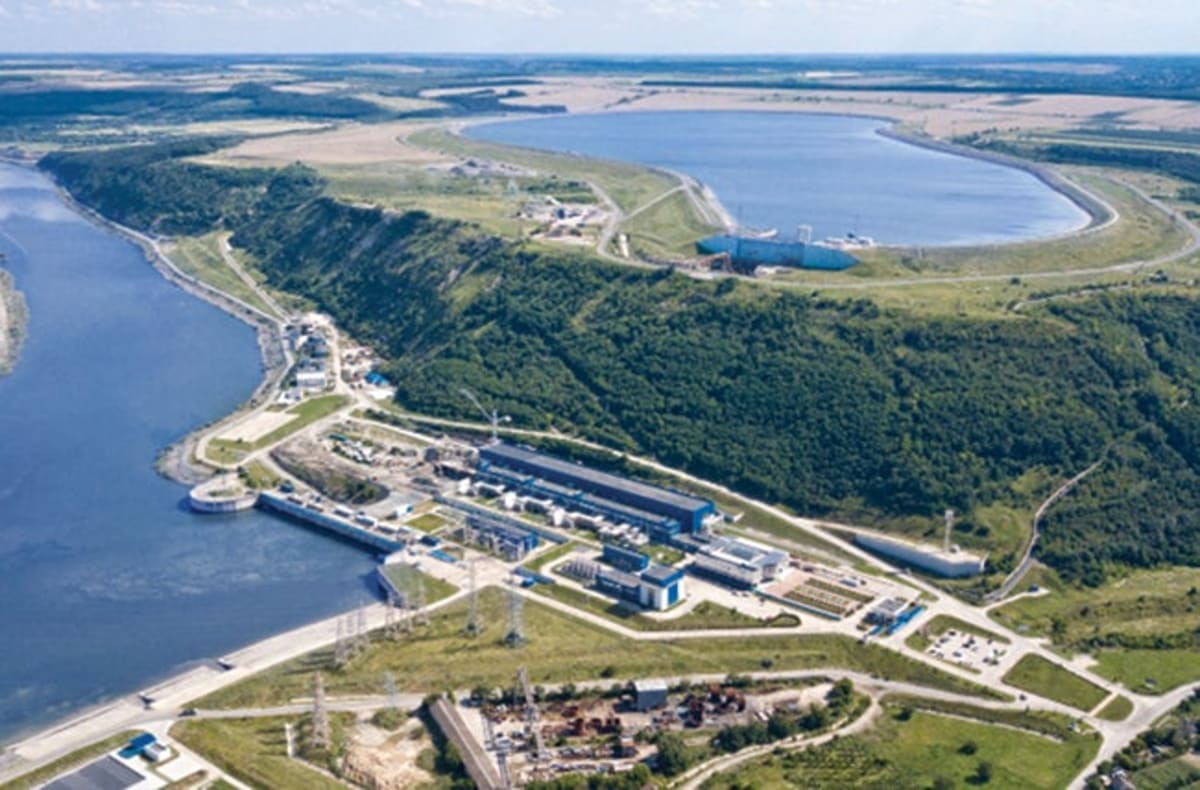
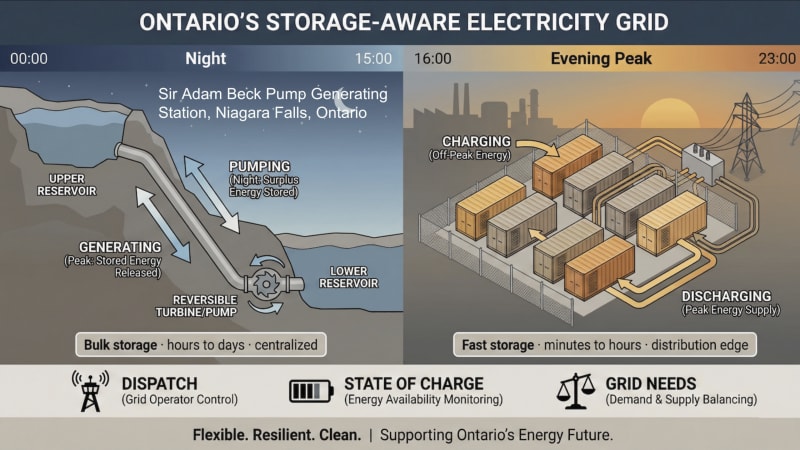
Ontario already knows how to store electricity. For decades, the Sir Adam Beck Pump Generating Station at Niagara Falls has shifted power from low-demand periods to peak hours, teaching grid operators how to manage stored energy as a backbone of reliability.
Now batteries are taking that same proven concept and supercharging it. They respond in milliseconds instead of minutes and can be placed exactly where congestion occurs, rather than only where geography allows reservoirs.
The results speak for themselves. South Australia's Hornsdale Power Reserve operates in real electricity markets, providing frequency control and other services that keep the grid stable. In 2019 alone, independent analysis found it slashed system costs by $116 million Australian dollars.
Those aren't theoretical savings on a spreadsheet. When system costs fall in wholesale markets, the pressure on everyone's electricity bills falls with them.
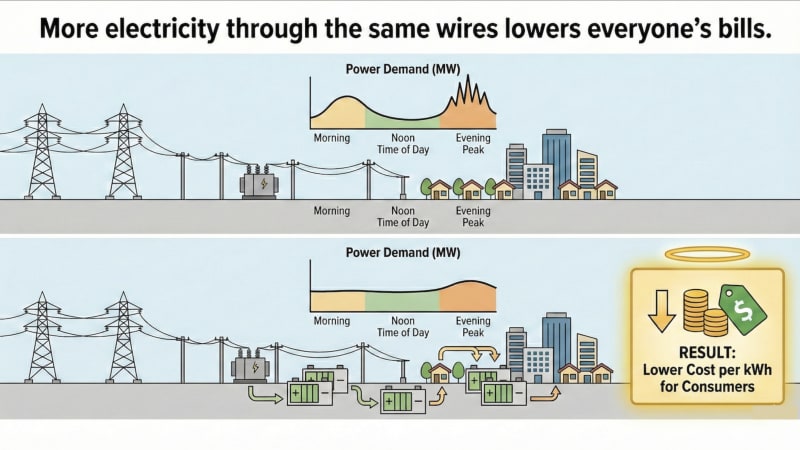
Here's why batteries save so much money. Peak demand drives grid costs far more than total energy use does. Transmission lines and substations get sized for the highest load they'll ever see, even if that only happens a few dozen hours per year. Ratepayers fund all that infrastructure every hour, whether it's being used or not.
Batteries flatten those peaks by charging when demand is low and discharging when it spikes. That means existing wires can deliver more electricity throughout the year without building expensive new infrastructure that would sit idle most of the time.
Ontario generates roughly 139,000 gigawatt-hours of electricity annually. Batteries turn time into capacity, letting those existing assets work harder instead of requiring more concrete and steel in the ground.
The Ripple Effect
Batteries are increasingly competing directly with natural gas plants by providing the same grid services. They're especially effective at shifting daytime solar power into evening hours when people actually need it most.
Globally, demand for liquefied natural gas in power generation is already softening as batteries take over peak supply and fast response services. The shift is happening faster than most energy forecasters predicted just five years ago.
For jurisdictions like Ontario that already understand storage as normal grid infrastructure, batteries aren't a leap into the unknown. They're a practical extension of what pumped hydro has done for decades, just faster, more flexible, and placed closer to where electricity gets used.
The grid is getting smarter, cheaper, and cleaner at the same time.
More Images

Based on reporting by CleanTechnica
This story was written by BrightWire based on verified news reports.
Spread the positivity!
Share this good news with someone who needs it