Battery Breakthrough Could Give EVs 750-Mile Range by 2027
A U.S. company just partnered with a major manufacturer to bring solid-state batteries that could revolutionize electric vehicles to market within three years. Mercedes already test-drove 750 miles on a single charge.
Electric cars might soon travel twice as far on a single charge, solving one of the biggest concerns keeping drivers from going electric.
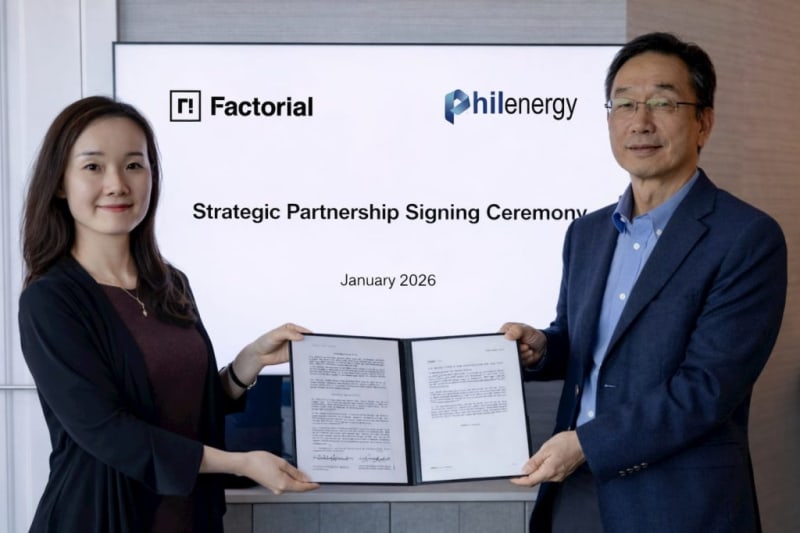
Factorial, a Massachusetts-based battery company, just announced a manufacturing partnership with Korea's Philenergy to bring its solid-state batteries from the lab to your driveway. The timing couldn't be better for drivers worried about range anxiety and charging times.
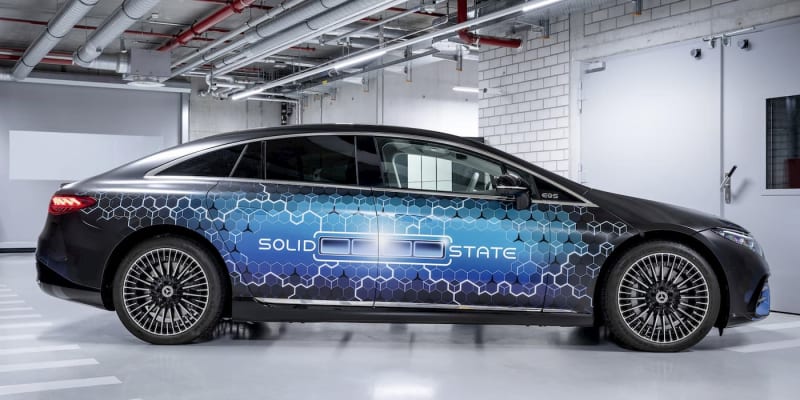
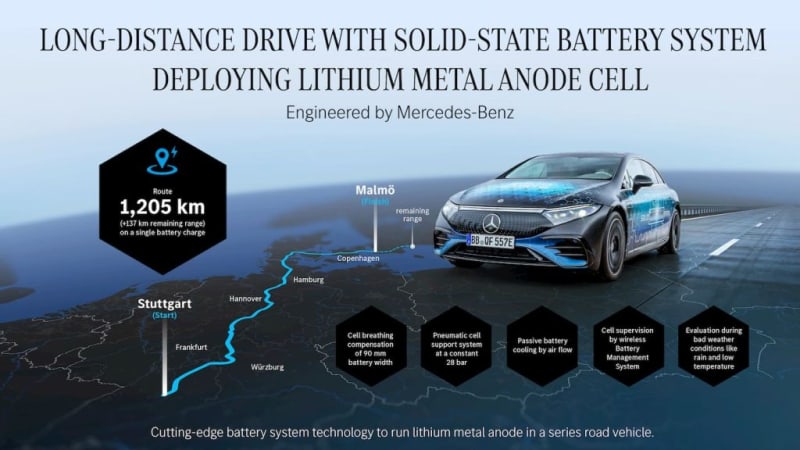
The technology has already proven itself in real-world testing. Mercedes-Benz drove a modified EQS sedan fitted with Factorial's batteries for over 750 miles on a single charge last September. The automaker called it "a true gamechanger."
Unlike traditional lithium-ion batteries, Factorial's Solstice platform packs 80% more energy into the same space while staying stable even in extreme heat up to 194°F. The batteries also charge faster and require fewer manufacturing steps, reducing their environmental footprint.
Major automakers are betting big on this technology. Factorial has partnerships with Mercedes-Benz, Stellantis (which makes Jeep), Hyundai, and Kia. Earlier this month, the company launched America's first commercial solid-state battery program with Karma Automotive.
CEO Siyu Huang expects these batteries to appear in high-performance and luxury vehicles as early as 2027, then gradually roll out to everyday cars. "The existing battery is not big enough and it's not light enough," Huang told The New York Times. "There needs to be a next generation to address the issues that our US consumers are facing."
The new manufacturing partnership solves one of the biggest challenges: scaling from prototype to mass production. "The companies that win in next-generation batteries won't just have breakthrough technology," Huang said. "They'll have production partners experienced in battery manufacturing and capable of delivering at scale."
The Ripple Effect
This breakthrough could reshape transportation globally. Chinese automakers like Changan and Dongfeng are testing similar technology, while giants like Toyota, Volkswagen, and BYD have announced plans for solid-state batteries between 2027 and 2030. Competition often drives innovation faster and brings prices down quicker.
To fund its growth, Factorial announced plans to go public on the Nasdaq exchange in mid-2026 under the ticker symbol FAC. The proposed merger values the company at $1.1 billion and provides $100 million in funding.
The shift could make electric vehicles more practical for long road trips, rural drivers, and anyone hesitant about switching from gas-powered cars.
A cleaner, longer-range future for driving is closer than you think.
More Images

Based on reporting by Electrek
This story was written by BrightWire based on verified news reports.
Spread the positivity!
Share this good news with someone who needs it