Battery Giant CATL to Pioneer Electric Cargo Ships
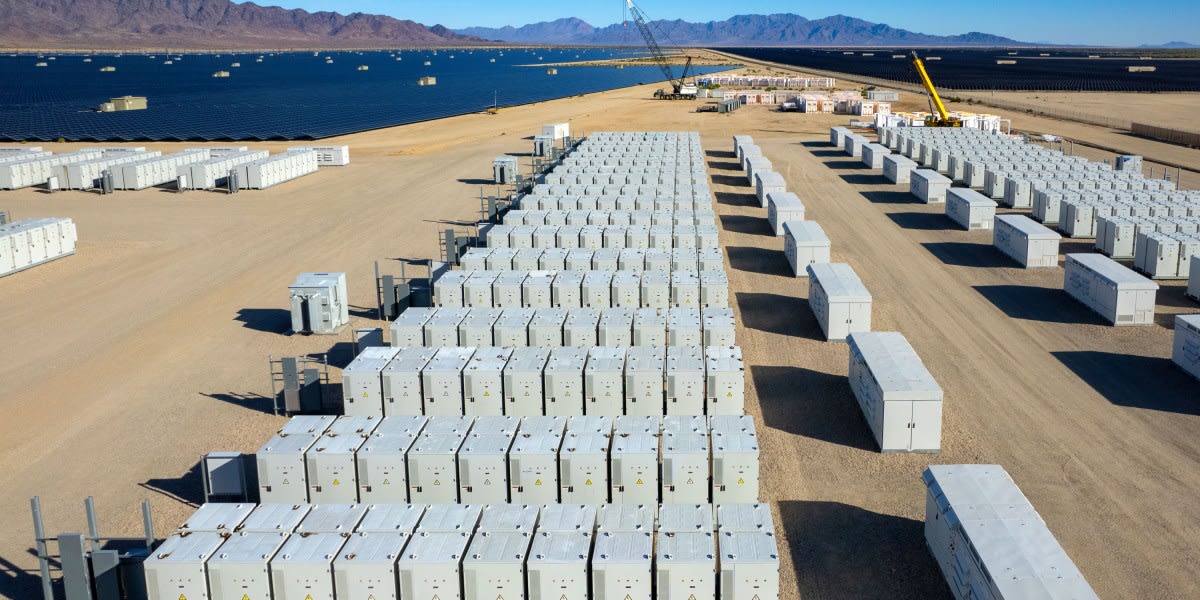
The world's largest battery maker is diving into marine shipping with plans to electrify near-shore vessels and cut the industry's carbon footprint in half. CATL, which controls 37% of the global EV battery market, just announced it will "spare no effort" to build batteries tough enough for the open ocean.
The company powering more than a third of the world's electric vehicles is now taking on one of the planet's biggest pollution challenges: cargo ships.
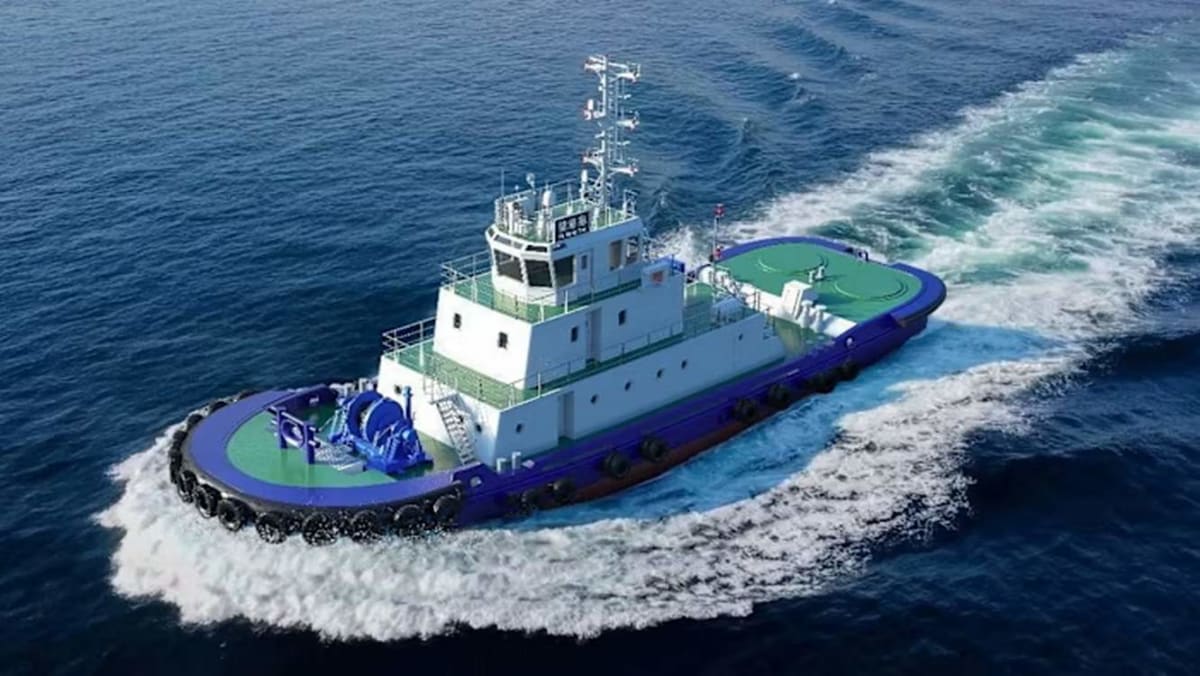
CATL, the Chinese battery giant, just announced plans to double its maritime division and develop battery systems specifically designed for tugboats, ferries, and other near-shore vessels. The move could reshape an industry responsible for 3% of global emissions.
The timing matters. The International Maritime Organization wants to cut shipping emissions in half by 2050, but most efforts have focused on alternative fuels like hydrogen and green methanol. CATL is betting that batteries, which have dropped 90% in cost over two decades, are ready for the water.
"We will spare no effort in investing in R&D, human resources and materials to build the supply chain for this industry," said Su Yi, who leads CATL's Maritime Business Unit. Her team is working on batteries that can handle the extreme demands of powering large vessels while staying safe in harsh ocean conditions.
The challenge is real. Displacing water requires far more energy than moving a car down the highway, which is why batteries haven't made much headway in shipping yet. But CATL has been testing the waters since 2017 with a battery-swap model that lets vessels exchange depleted batteries for fresh ones at docking stations, enabling around-the-clock operations.
The company already developed hybrid systems for river boats and cruise ships. Now they're scaling up based on lessons learned from their long-haul trucking division, where battery swaps proved successful.
The Ripple Effect
CATL isn't alone in the race to clean up shipping. Japanese firms sailed the first zero-emissions ship over 20 gross tons in 2024, traveling 18 miles to an offshore wind farm and back. Global shipping leader Maersk ordered 25 methanol-powered vessels and is retrofitting existing ships with cleaner engines.
What makes CATL's announcement significant is scale. The company just reported 42% revenue growth to over $10 billion, driven by surging demand for data center power and energy storage. That financial muscle means serious resources flowing into marine battery development.
Su didn't offer timelines or sales targets, but expressed confidence that market demand will materialize as shipping companies face tighter emissions regulations. Near-shore vessels like tugboats and ferries make perfect early candidates since they operate in predictable patterns close to charging infrastructure.
If CATL succeeds, the impact extends far beyond cleaner harbors. Proving that batteries work for shipping could accelerate adoption across the entire maritime industry, creating jobs in battery manufacturing, charging infrastructure, and vessel retrofitting while slashing emissions from one of the world's most polluting sectors.
The world's biggest battery maker is betting the ocean is ready for an electric future.
More Images
Based on reporting by Good News Network
This story was written by BrightWire based on verified news reports.
Spread the positivity!
Share this good news with someone who needs it