Battery Giant Launches Sodium System, Cuts Energy Costs
The world's largest battery maker just turned a cheaper, safer alternative to lithium into a commercial reality. This breakthrough could make clean energy storage accessible to billions more people worldwide.
📺 Watch the full story above
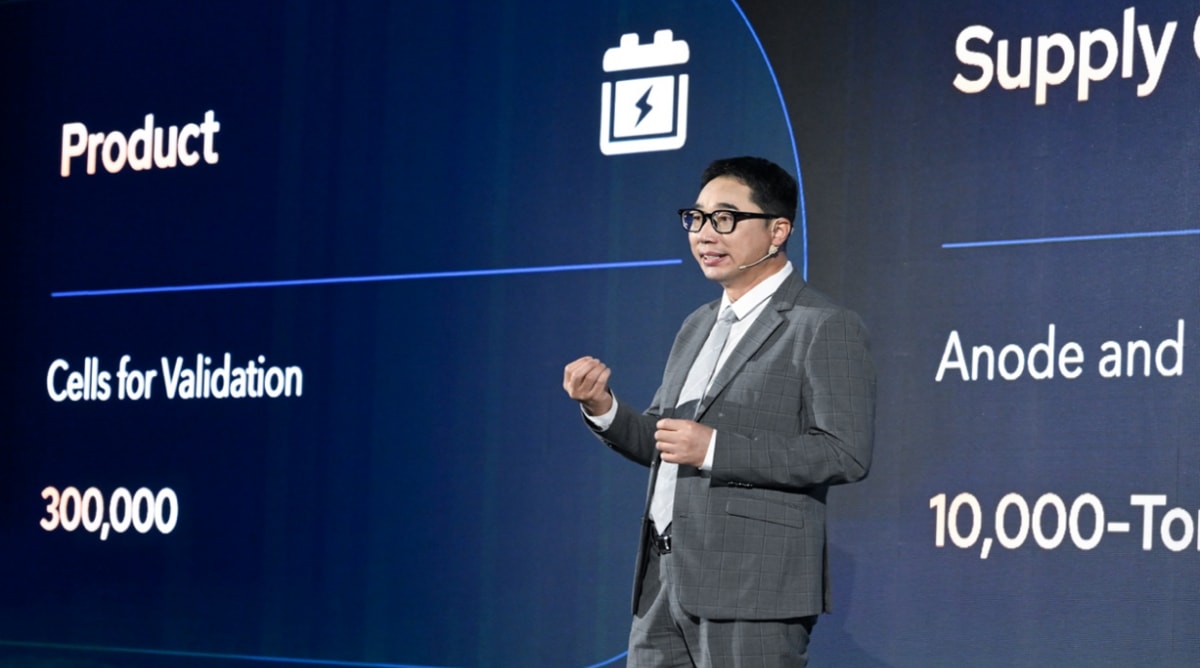
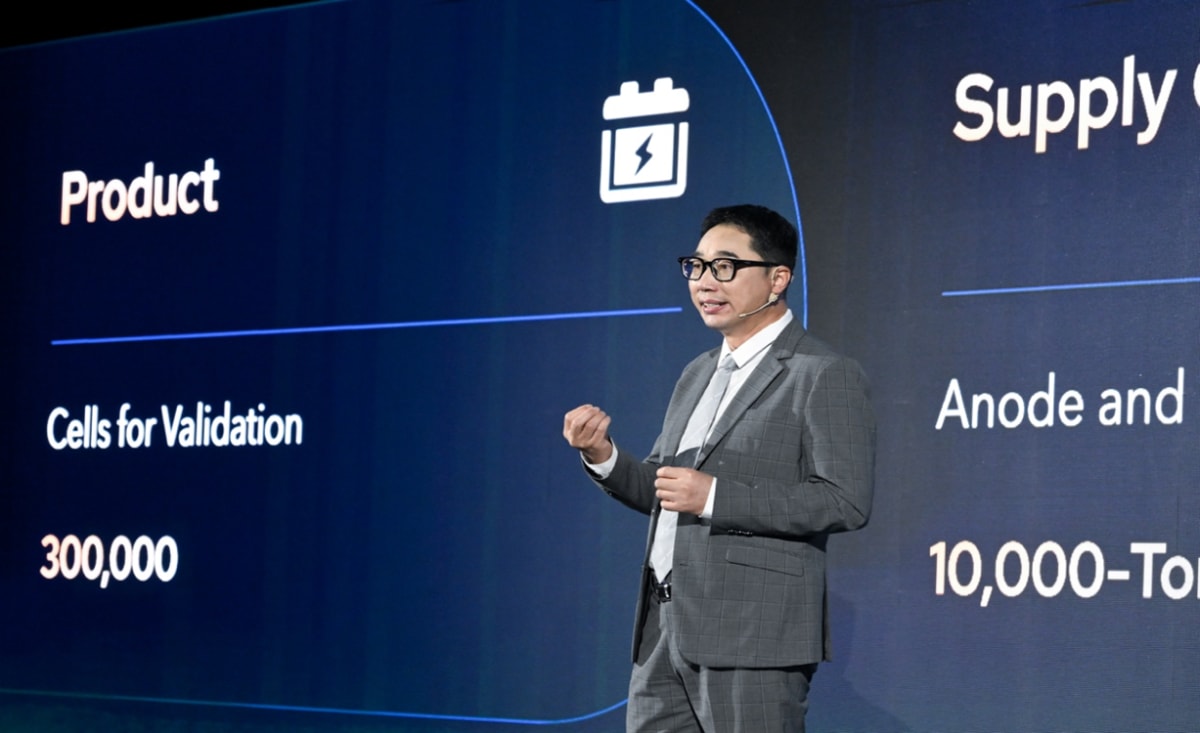
CATL, the world's leading battery manufacturer, has launched the first commercially ready sodium-ion energy storage system after a decade of research and nearly $1.3 billion in investment.
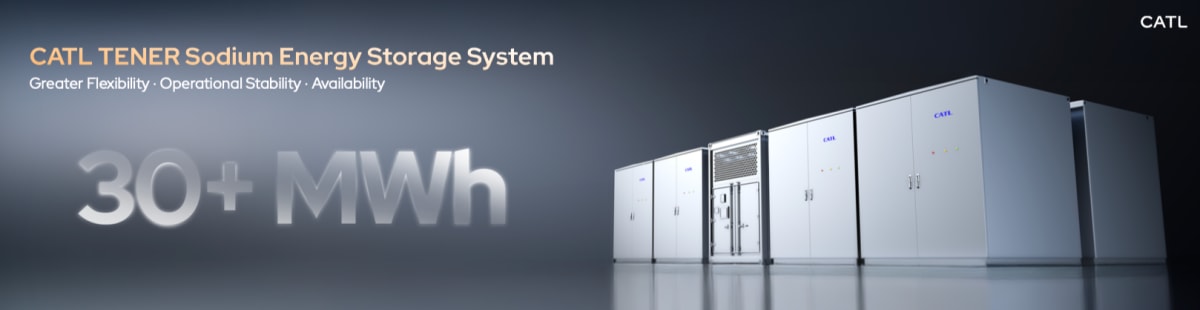
The TENER Sodium system solves one of renewable energy's biggest challenges: storing power when the sun isn't shining and wind isn't blowing. Unlike current systems that rely on scarce lithium, this technology uses sodium, an element over 1,000 times more abundant and available on every continent.
The company unveiled the system in Munich this week and expects to ship enough units to power thousands of homes by the end of 2026. Global deliveries begin in June 2027, marking the first time sodium-ion technology has moved from laboratory experiments to real-world infrastructure.
Each storage module delivers more than 30 megawatt-hours of capacity while operating more efficiently than traditional systems. The design cuts auxiliary power consumption in half compared to industry standards, saving millions in operating costs for large projects.
Safety improvements set the system apart too. It operates at just 65 decibels, quieter than normal conversation, allowing storage facilities to be built closer to cities without disturbing neighborhoods. The sodium chemistry also handles extreme temperatures better than lithium and carries lower fire risks.
CATL designed the platform to work interchangeably with both sodium and lithium batteries, giving energy companies flexibility as material prices shift. When lithium costs spike, operators can switch to sodium without redesigning their entire project or repeating expensive certification processes.
The Ripple Effect
This launch represents more than just a new product. It addresses a critical bottleneck in the global transition to renewable energy.
As solar and wind power expand worldwide, the ability to store that energy affordably determines how quickly countries can move away from fossil fuels. Lithium's concentrated supply in just a few countries has created price volatility and geopolitical concerns that slow progress.
Sodium's widespread availability means countries won't need to depend on limited suppliers for their energy independence. The technology opens pathways for developing nations to build modern energy grids without competing for scarce materials.
CATL's team of 300 researchers filed over 1,600 patent families during development, solving more than 100 technical challenges to bring sodium-ion batteries from theory to practice. Their work proves that abundant materials can deliver industrial-scale performance.
The system's modular design means faster installation too. A facility storing enough energy to power a small city requires just 34 units, simplifying construction and reducing deployment time.
Energy companies across Europe, Asia, and beyond are already planning installations, drawn by lower costs and supply chain security that sodium provides.
After years of promise, clean energy storage just got more accessible, affordable, and ready for the world's eight billion people.
More Images
Based on reporting by CleanTechnica
This story was written by BrightWire based on verified news reports.
Spread the positivity!
Share this good news with someone who needs it