Battery Storage Grows 40% as Clean Energy Revolution Speeds Up
Global battery storage hit a record 108 GW in 2025, growing 40% as costs plummet and countries race to store clean energy. Batteries now power evening electricity in places like California, proving renewable energy can work around the clock.
The world just passed a major milestone in the shift to clean energy, and it happened faster than almost anyone expected.
Battery storage capacity surged 40% in 2025, adding a record 108 GW of new installations worldwide. That's more than all the gas power plants built in any single year in history, marking the moment batteries became a central player in how we power our lives.
China led the charge with 63 GW of new batteries, while the United States added 19 GW with 60% year over year growth. But some of the most exciting gains came from unexpected places.
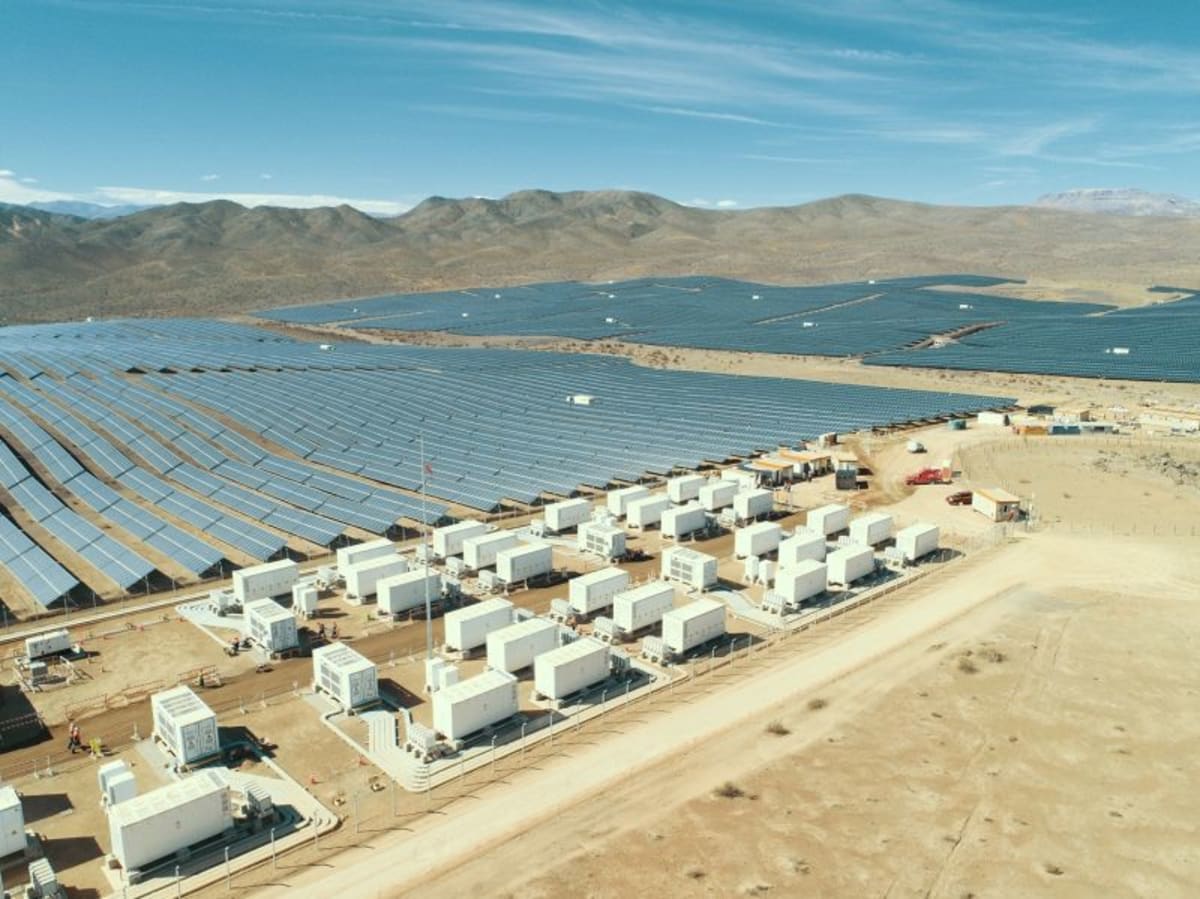
Australia increased its battery installations nearly ninefold to 8 GW, supported by federal and state programs that made storage accessible. Saudi Arabia surpassed 3 GW as the nation builds massive utility scale projects to capture desert solar power. Chile added close to 1 GW to store its abundant daytime sunshine for evening use.
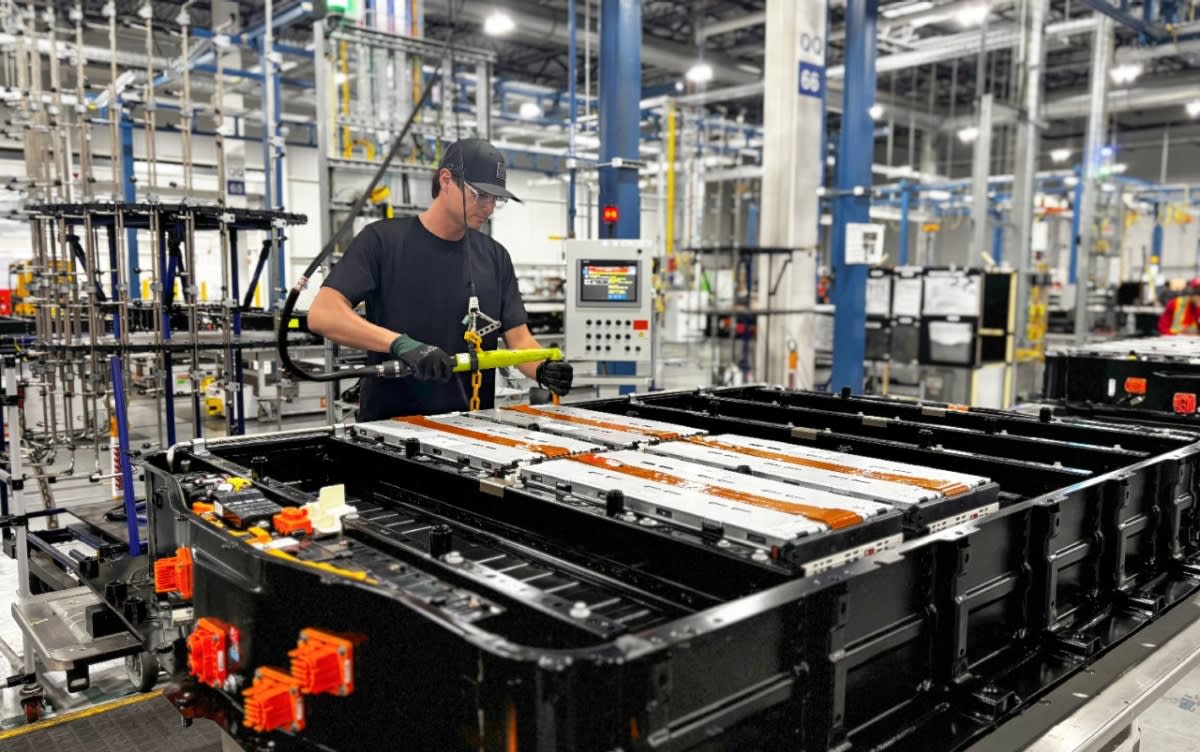
The reason for this boom is simple: batteries have become incredibly affordable. Costs have dropped more than 90% since 2010, transforming batteries from an expensive grid balancing tool into an essential technology for storing excess solar and wind power generated during the day.
The Ripple Effect
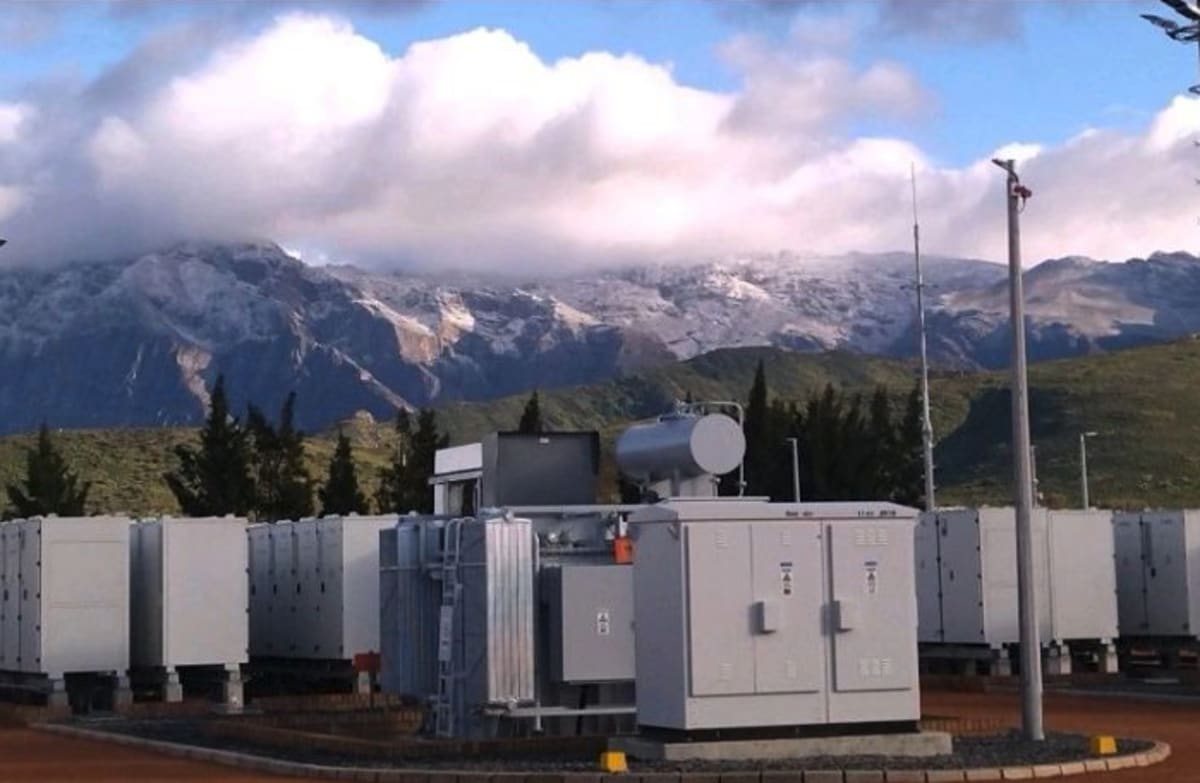
This shift is already changing how entire regions power themselves. In California, batteries grew from less than 1 GW in 2019 to more than 17 GW today. On March 29, 2026, batteries supplied over 40% of the state's evening electricity demand, proving clean energy can meet real world needs after sunset.
Similar transformations are happening across Texas, South Australia, and Great Britain, where batteries now handle more than 40% of hourly system balancing. These regions are demonstrating that renewable energy paired with storage can provide reliable power without fossil fuels.
The technology keeps improving too. New battery projects now provide three hours of storage on average, up from two hours in 2023, with many offering four hours or more. This longer duration means batteries can bridge the gap from afternoon solar generation to evening peak demand.
Speed matters as much as capacity. Battery projects typically finish construction in 275 days and complete full development within two years. That's dramatically faster than gas plants, pumped hydro storage, or nuclear facilities, making batteries the quickest way to add flexible power when grids need it most.
Challenges remain, including regulatory uncertainty and grid connection delays that slow deployment in some markets. Experts say governments need to update rules to recognize the full range of services batteries provide and create stronger incentives for continued growth.
As battery costs keep falling and renewable energy expands worldwide, storage is positioned to become the backbone of clean, reliable electricity systems that work day and night.
More Images


Based on reporting by Google: renewable energy record
This story was written by BrightWire based on verified news reports.
Spread the positivity!
Share this good news with someone who needs it