Bay Area Advocates Train AI to Protect Animal Welfare
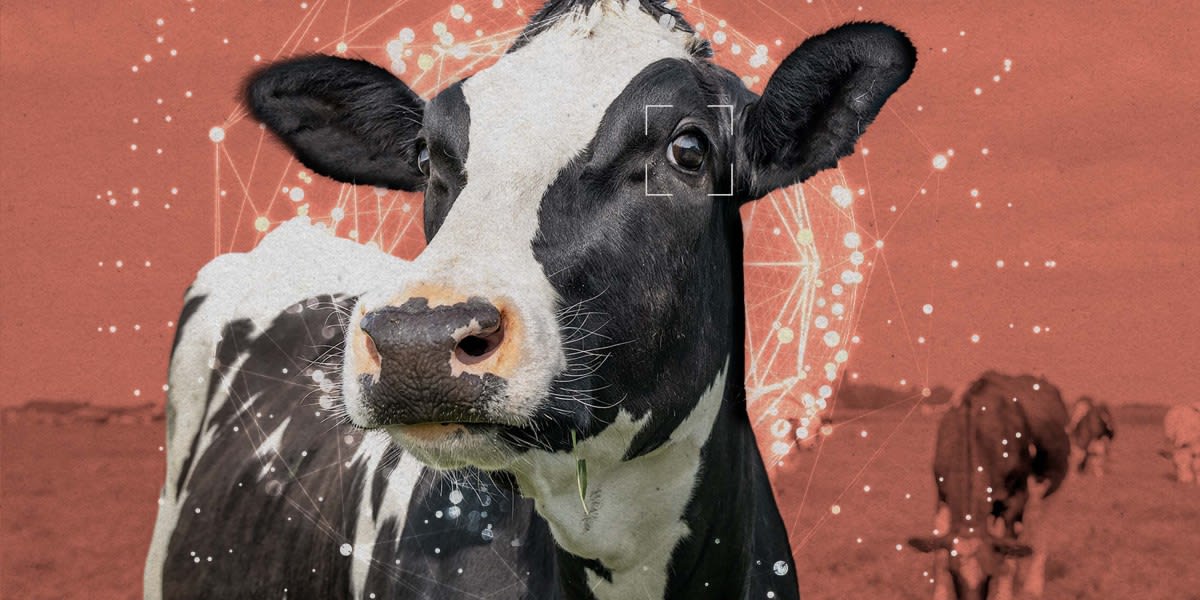
Animal welfare activists in San Francisco are teaching artificial intelligence systems to value animal lives, hoping future AI will help solve problems like factory farming. The movement combines tech innovation with compassion to create large-scale solutions for animal suffering.
In a cozy San Francisco coworking space filled with beanbags and Persian rugs, a new kind of animal welfare movement is taking shape. Instead of running traditional shelters, these advocates are teaching AI systems to care about the wellbeing of animals.
Sentient Futures brought together animal welfare experts and AI researchers in early February for an unusual summit. One group debated whether insect sentience could reveal insights about chatbots, while another discussed poison-free rodent birth control. Their shared mission: preparing for a future where AI might help end animal suffering at scale.
"AI is going to be very transformative, and it's going to pretty much flip the game board," said Constance Li, founder of Sentient Futures. Her organization believes that if powerful AI systems eventually make important decisions, those systems need to understand why animal lives matter.
Jasmine Brazilek flew in from Mexico to share her breakthrough work. The cloud security engineer turned animal advocate created a benchmark to measure how AI language models think about animal welfare. She's urging AI researchers to train their models using documents that reflect compassion for animals.
The group's approach focuses on ambitious, large-scale solutions. Rather than local animal shelters, they support innovations like cultivated meat grown from animal cells in labs. Some attendees brainstormed using AI tools like AlphaFold to make lab-grown meat cheaper and more accessible.
The summit buzzed with fresh optimism after recent disappointments for the movement. Plant-based meat companies have struggled financially, and several states banned cultivated meat. But AI offers new possibilities for both advocacy work and scientific breakthroughs.
Attendees discussed using AI assistants to handle coding and administrative tasks, freeing up time for direct advocacy. Others explored how AI could accelerate research into alternatives to factory farming.
The Ripple Effect
The real excitement centered on expected funding from AI company employees who want to support animal welfare causes. As AI labs grow and succeed, their staff members are channeling resources toward preventing animal suffering at unprecedented scales.
This tech-forward approach represents a shift in animal welfare work. By focusing on training the AI systems that might shape our future, advocates hope to embed compassion for all sentient beings into the foundation of tomorrow's technology.
The movement faces valid questions about prioritizing future technologies over immediate local needs. But for these advocates, teaching AI to value animal lives today could prevent suffering for billions of creatures tomorrow.
In a world where AI increasingly influences decisions large and small, these advocates are working to ensure that compassion doesn't get left behind in the code.
Based on reporting by MIT Technology Review
This story was written by BrightWire based on verified news reports.
Spread the positivity!
Share this good news with someone who needs it