Bay Area Hospital's AI Cuts Stroke Diagnosis by 24 Minutes
A California hospital is using AI to create detailed 3D brain scans in minutes instead of hours, giving stroke patients precious time to receive treatment. Every minute saved means millions of brain cells protected.
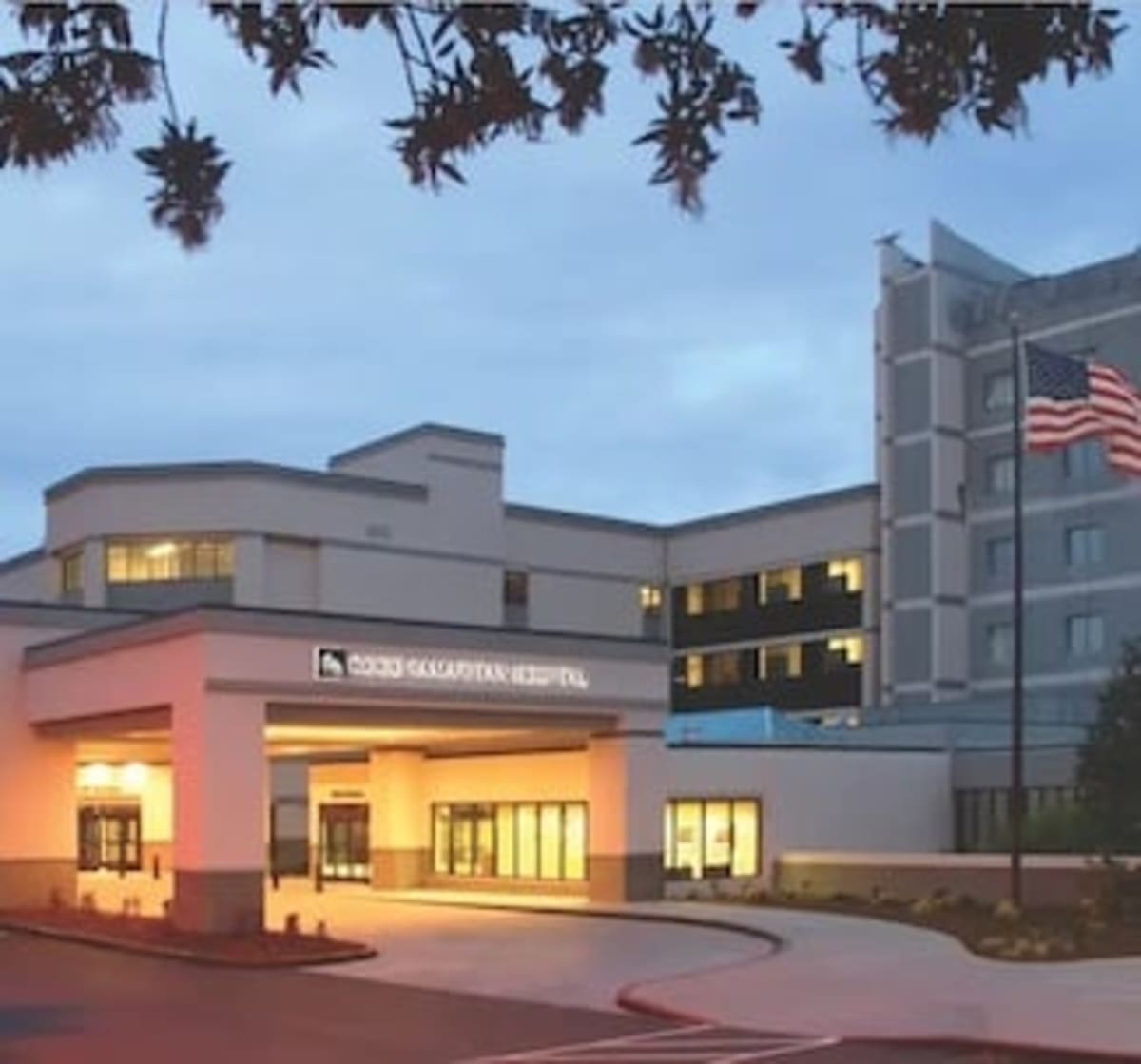
Good Samaritan Hospital in the Bay Area just became the first in its region to use AI that turns brain scans into detailed 3D images in minutes, not hours. For stroke patients, those saved minutes could mean the difference between full recovery and permanent disability.
The hospital's new Lumina 3D system automatically creates three-dimensional views of blood vessels in the brain and neck from standard CT scans. What used to require specialized manual work by radiology teams now happens automatically, cutting the process by an average of 24 minutes.
That time savings matters more than you might think. During a stroke, the brain loses nearly 2 million neurons every single minute without treatment. The faster doctors can see exactly which blood vessels are involved, the faster they can make life-saving decisions about treatment.
Before this technology, radiologists had to manually process each scan to create detailed vascular images. It was tedious, time-consuming work that kept them away from other urgent patient needs. Now the AI handles that processing automatically while they focus on care.
The Ripple Effect
The benefits extend beyond just stroke patients. By automating time-intensive imaging tasks, radiology teams at Good Samaritan can now dedicate more attention to complex cases that truly need human expertise. The technology doesn't replace their skills but amplifies them.
For patients arriving at the emergency department with stroke symptoms, every minute counts toward preserving brain function. This AI-powered imaging gives doctors the detailed information they need almost immediately, creating a faster path from scan to treatment decision. That speed can be the difference between walking out of the hospital or facing months of rehabilitation.
Good Samaritan's investment in cutting-edge technology reflects a growing trend in healthcare where artificial intelligence handles repetitive tasks, freeing medical professionals to do what they do best: care for people. The hospital is now equipped to offer faster, more informed stroke care than ever before.
More hospitals across the country are expected to adopt similar AI-driven imaging solutions as the technology proves its value in emergency situations.
Based on reporting by Google News - Good Samaritan
This story was written by BrightWire based on verified news reports.
Spread the positivity!
Share this good news with someone who needs it