Beach Cleanup Leader Runs Grassroots Campaign in Hawaii
A nonprofit founder who's helped clean Hawaii's coastlines for 13 years is challenging a longtime lawmaker with a zero-corporate-money campaign. Kahi Pacarro's grassroots approach highlights a growing push for campaign finance reform in local politics.
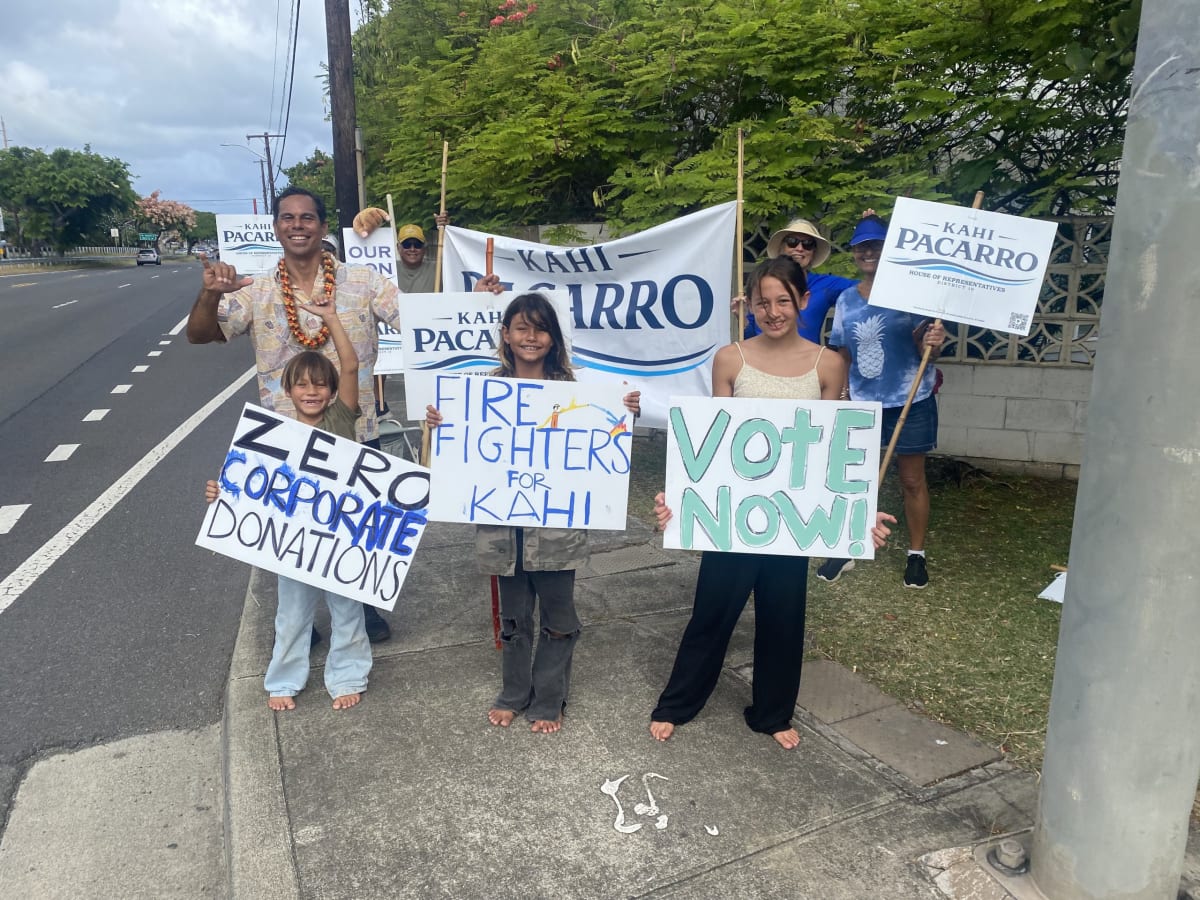
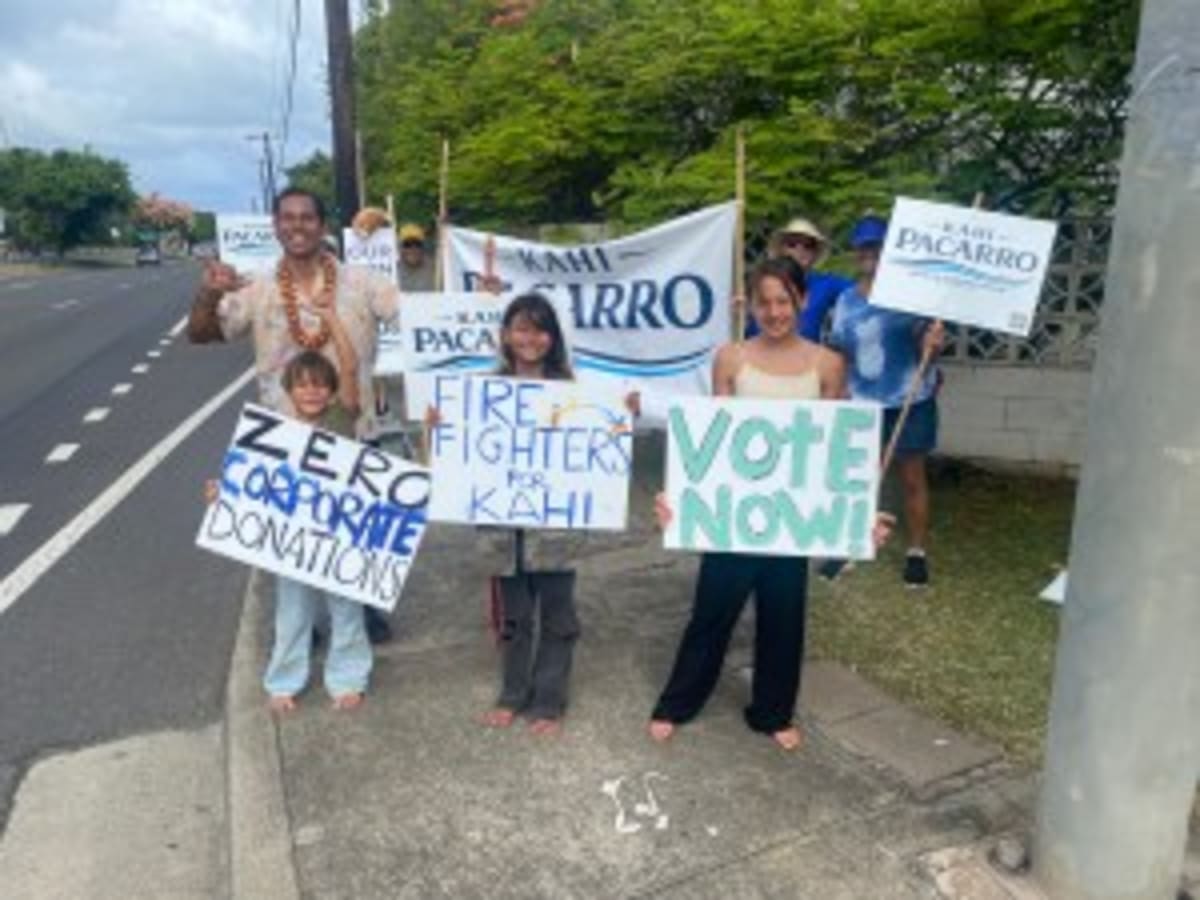
When Kahi Pacarro launched his campaign website, he wanted voters to see one message first: "This candidate is not for sale."
It sounds bold, but the numbers back it up. The first-time candidate running for Hawaii's House District 19 hasn't accepted a single dollar from corporations or political action committees.
Instead, his donor list reads like a neighborhood directory. Local attorneys, environmentalists, community activists, and even his mother Gwen were among his first supporters.
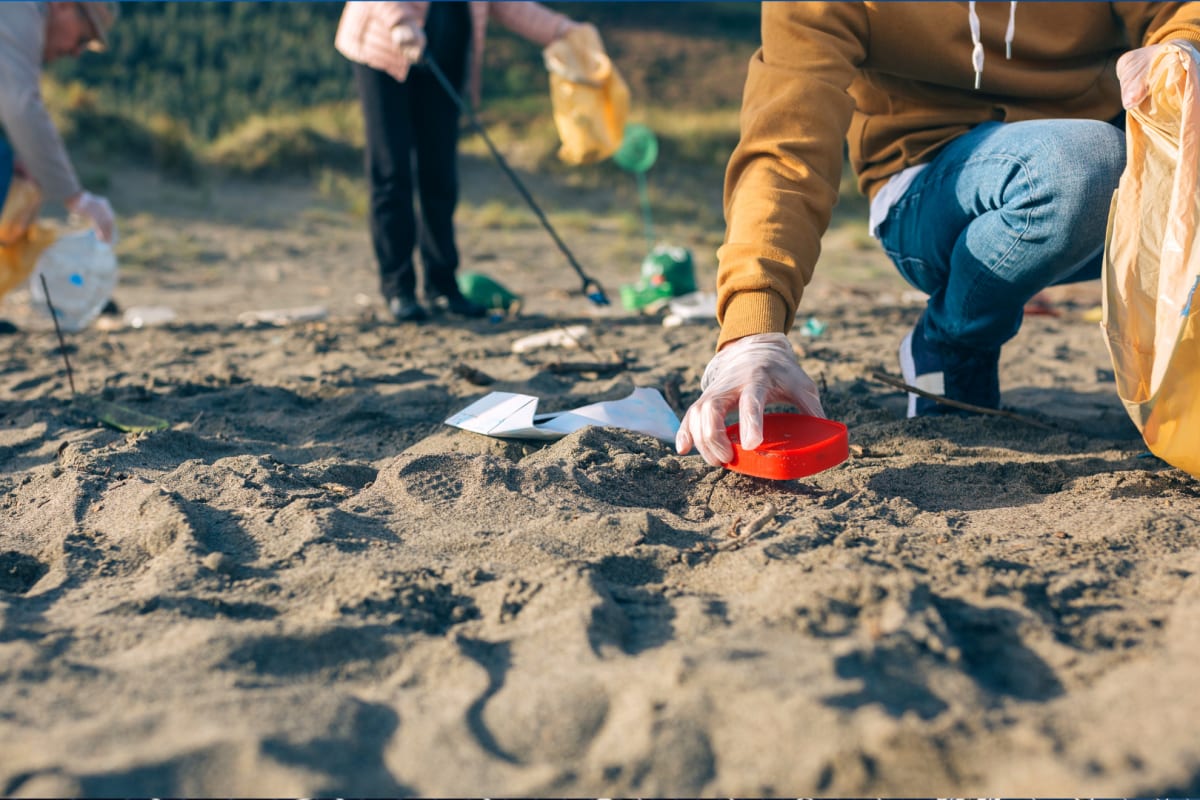
This grassroots approach stands out because Pacarro could easily tap corporate connections. He worked as a financial analyst for a development firm and cofounded Sustainable Coastlines Hawaii in 2011, an organization that's spent over a decade protecting the state's beaches.
But the influence of money in politics concerns him deeply. That's why he's making campaign finance reform central to his challenge against Representative Mark Hashem in the Democratic primary.
Hashem has represented the Wai'alae, Kahala, and Aina Haina areas for 16 years. His recent donors include sports betting groups, construction companies, medical industry PACs, and real estate organizations.
Pacarro says Hashem has done "a decent job" but believes he's "more responsive" to donor interests than community needs. He even emailed Hashem directly before announcing his campaign, explaining his views on term limits and his intention to run.
The contrast in campaign styles is striking. Pacarro returned money from luxury developers to maintain his independence, raising $26,029 from individual supporters and spending most of it on direct outreach.
The Ripple Effect
Pacarro's campaign reflects a broader shift in how younger candidates approach politics. By rejecting corporate money, he's testing whether voters value independence over traditional fundraising power.
His support for Senate Bill 2471, which works around Supreme Court decisions allowing unlimited corporate spending in local elections, shows he's thinking beyond just one race. The bill is now law in Hawaii.
Hashem chairs the House Water and Land Committee and recently won the National Children's Alliance Champion for Children award. He's passed bills supporting local businesses and funding youth environmental programs.
But Pacarro points to bills Hashem's committee declined to hear, including one that would have created pesticide buffer zones around schools and parks. For someone who's spent 13 years cleaning beaches and protecting coastlines, these environmental decisions matter personally.
The race shows how grassroots campaigns can compete even without major funding. Pacarro's approach proves you don't need corporate backing to build a serious challenge.
Hawaii voters will decide in the Democratic primary whether independence from special interests matters more than experience in office.
More Images
Based on reporting by Google News - Ocean Cleanup
This story was written by BrightWire based on verified news reports.
Spread the positivity!
Share this good news with someone who needs it