Beachgoers Save Injured Otter in South Africa
A community network rescued a disoriented Cape clawless otter found on a South African beach, springing into action to get her veterinary care within hours. The quick response highlights how everyday people and wildlife experts work together to protect threatened species.
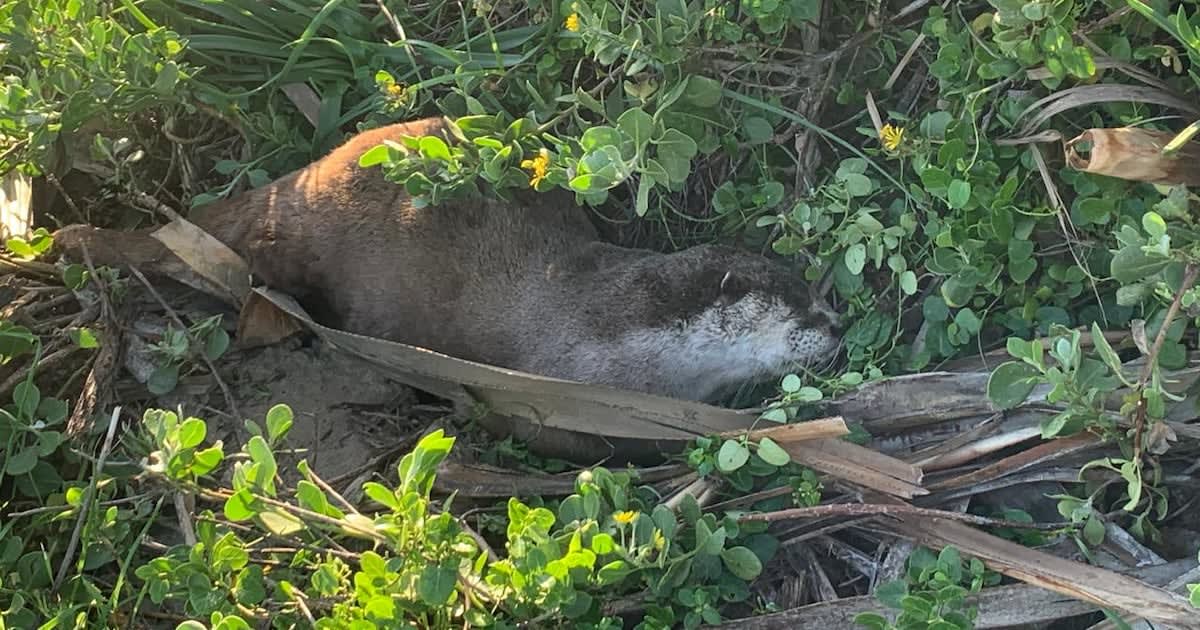
When beachcomber Tim Shaw spotted a female otter lying motionless near a coastal walkway in Gqeberha, South Africa, he knew something was wrong. Within hours, a chain of messages between swimmers, conservationists, and wildlife rescuers had the animal in professional care.
The mature Cape clawless otter was found Tuesday morning near Summerstrand beach, unable to move normally. Wildlife rescue specialist Arnold Slabbert arrived to transport her to a local vet, where initial exams revealed she's otherwise healthy but suffering from a neurological issue.
Despite her condition, the otter showed some fight when Slabbert approached with a net. She performed classic otter tumbling moves trying to escape, a sign her spirit remained strong even as her body struggled.
Slabbert believes the otter may have been hit while stealing fish from an angler the night before. The area has seen more otter sightings recently, possibly because pollution in their usual habitat at nearby Happy Valley is driving them toward the beaches.
The rescue happened thanks to a community network that mobilized in minutes. Shaw passed the otter to local dog walker Johan Fourie, who alerted open water swimming groups. Swimmer Dr. Gary Koekemoer forwarded the message to Bayworld stranding coordinator Dr. Greg Hofmeyr, who contacted Slabbert.
Cape clawless otters live throughout sub-Saharan Africa along coasts and inland waterways. They're classified as near threatened due to habitat loss, pollution, and conflicts with humans over fishing areas.
The vet is monitoring the otter for rabies as a precaution, though Hofmeyr says early signs suggest that's unlikely. She's now in quarantine where specialists will track her recovery and hopefully return her to the wild once healed.
The Bright Side
This rescue shows what's possible when communities build networks to protect wildlife. A beachcomber, swimmers, conservationists, and wildlife experts all played a role in getting this otter help within hours of being found.
The same pollution driving otters from their habitat also motivated people to act quickly. As awareness grows about how human activity affects wildlife, more people are stepping up to be part of the solution.
One injured otter in South Africa now has a fighting chance because strangers cared enough to make a few phone calls.
More Images
Based on reporting by Google News - Wildlife Recovery
This story was written by BrightWire based on verified news reports.
Spread the positivity!
Share this good news with someone who needs it