Beachgoers Turn Vacation Snaps Into Climate Science
A simple smartphone photo is now helping scientists track coastal changes at a Northern Ireland beach. Visitors to Tyrella Beach are becoming citizen scientists by snapping pictures through a fixed frame, creating data that will protect coastlines for generations.
Your beach selfie just got a scientific upgrade.
Visitors to Tyrella Beach in County Down can now help scientists understand climate change by taking a single photo through a special frame. The simple act of holding your phone in a steel cradle and clicking the shutter is turning everyday beachgoers into vital contributors to coastal research.
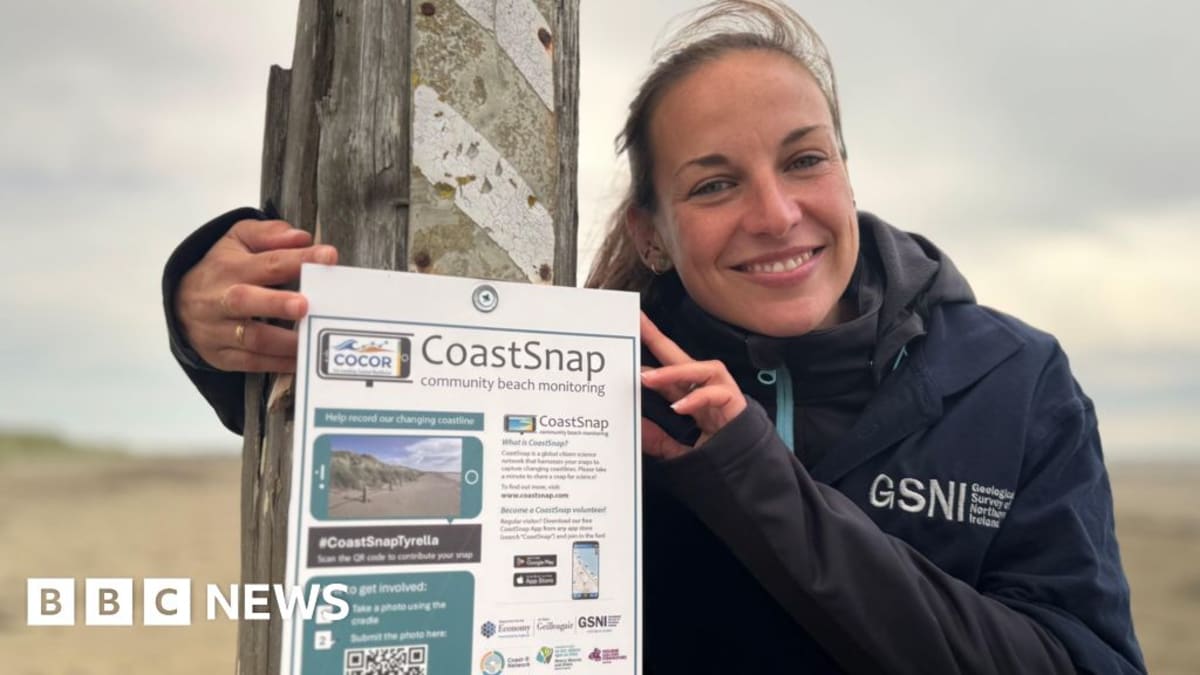
The project is called CoastSnap, and it started in Australia before making its way to Northern Ireland. Geomorphologist Melanie Biausque leads the local effort and says regular beach visitors have the power to transform how scientists understand coastal changes.
Here's how it works. A steel cradle mounted on a fence post holds your smartphone at the exact same angle every time. You snap a photo of one specific section of beach, then scan a QR code to upload it anonymously to the CoastSnap website.
Over months and years, these photos create a detailed timeline showing how the beach responds to storms, seasons, and rising sea levels. Scientists can spot patterns in sand movement, track dune growth, and watch vegetation changes without being there every single day.
Tyrella Beach earned the first Northern Ireland CoastSnap spot because local volunteers were already doing remarkable work. They collected seeds to plant marram grass, installed protective fencing, and put up signs to help restore the beach's sand dunes.
Biausque discovered their efforts through a council presentation and wanted to amplify their impact. "I realized I had never had any idea that was happening, and I really wanted to put that on the map," she said.
The Ripple Effect
The beauty of CoastSnap lies in its simplicity meeting serious science. Coastlines naturally shift as waves, tides, and wind move sand around. But climate change is bringing bigger challenges like rising sea levels and more frequent storms.
Understanding how beaches change today helps scientists predict what will happen tomorrow. That knowledge shapes how communities can protect their coastlines and adapt to environmental changes.
Visitors can add observations about algae, erosion, or vegetation changes through the website. These details help answer questions that scientists can't tackle alone, especially about daily and seasonal shifts.
The project is funded by Northern Ireland's Department for the Economy, with more photo stations coming to beaches across the region soon. No scientific background needed, no personal information required, just you and your phone.
Your next beach visit could help protect coastlines for generations to come.
More Images

Based on reporting by BBC Science
This story was written by BrightWire based on verified news reports.
Spread the positivity!
Share this good news with someone who needs it