Beavers Brought Utah's Dying River Back to Life in 6 Years
Desert rivers in Utah were barely surviving drought conditions until researchers had a wild idea: relocate beavers to engineer a comeback. Six years later, the Price River is thriving with kayakers, fish, and a booming recreation economy.
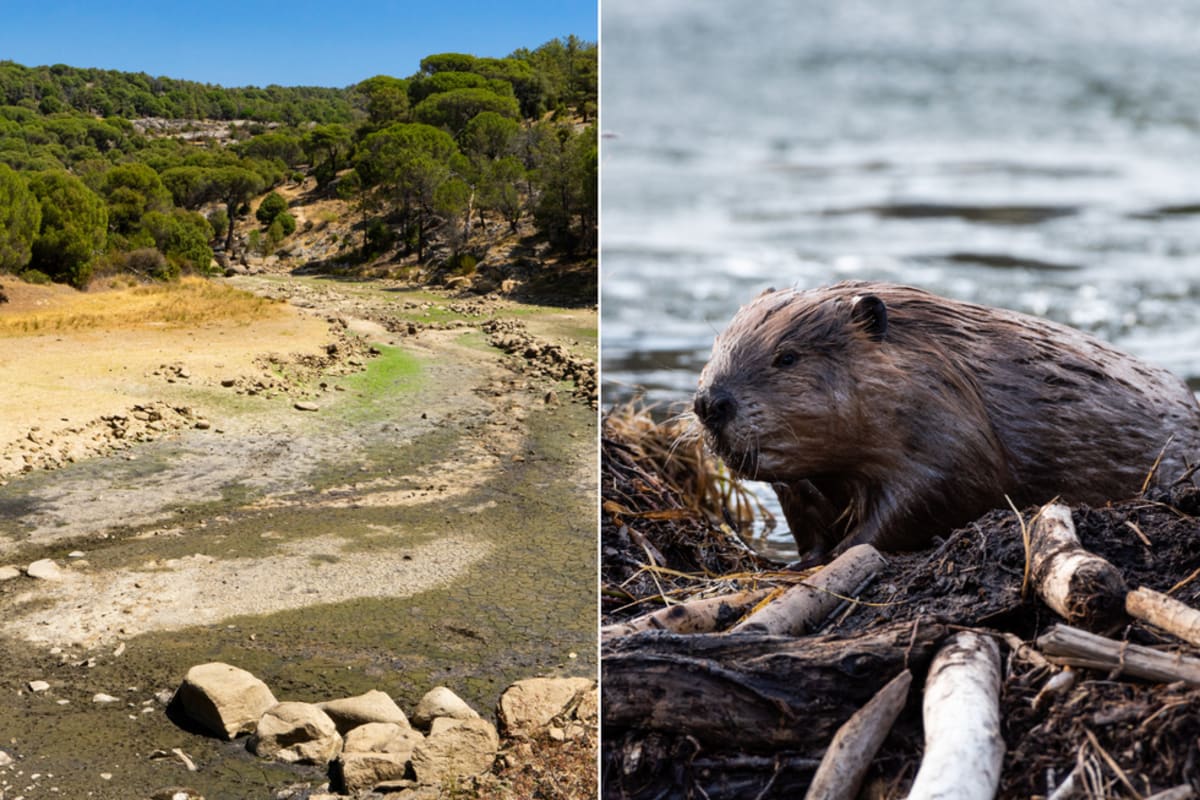
A dying desert river in Utah just got a second chance at life, thanks to some furry engineers with a talent for construction.
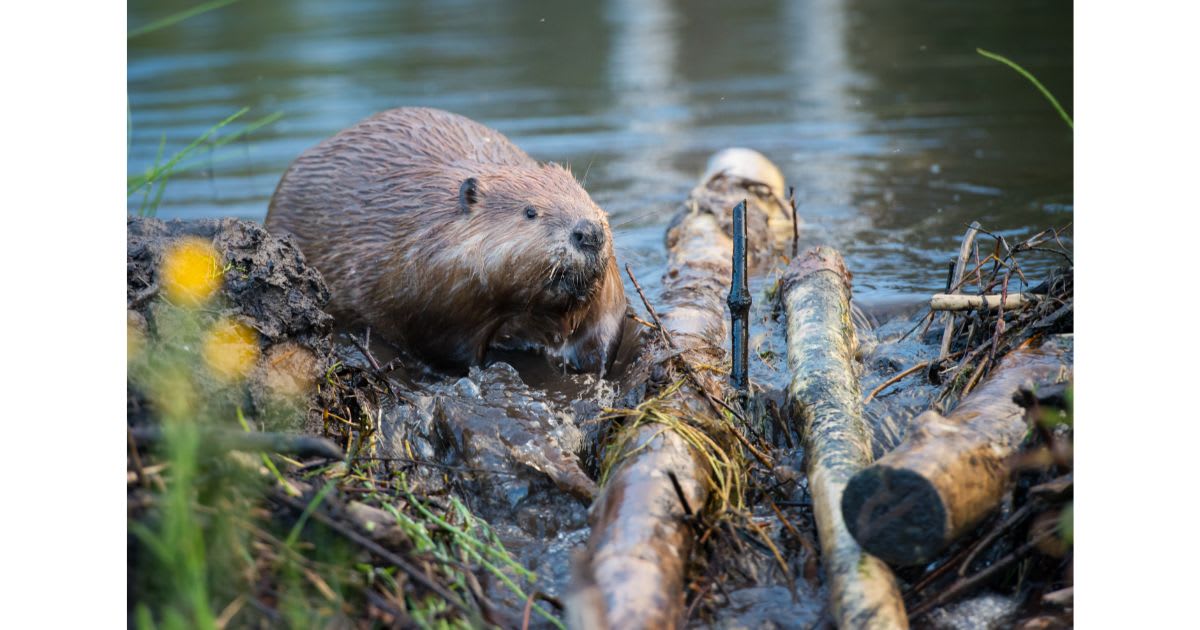
Six years ago, master's student Emma Doden and researchers from Utah State University launched an unusual rescue mission. They relocated beavers to Utah's struggling Price River, hoping the animals could restore what drought and climate change had destroyed.
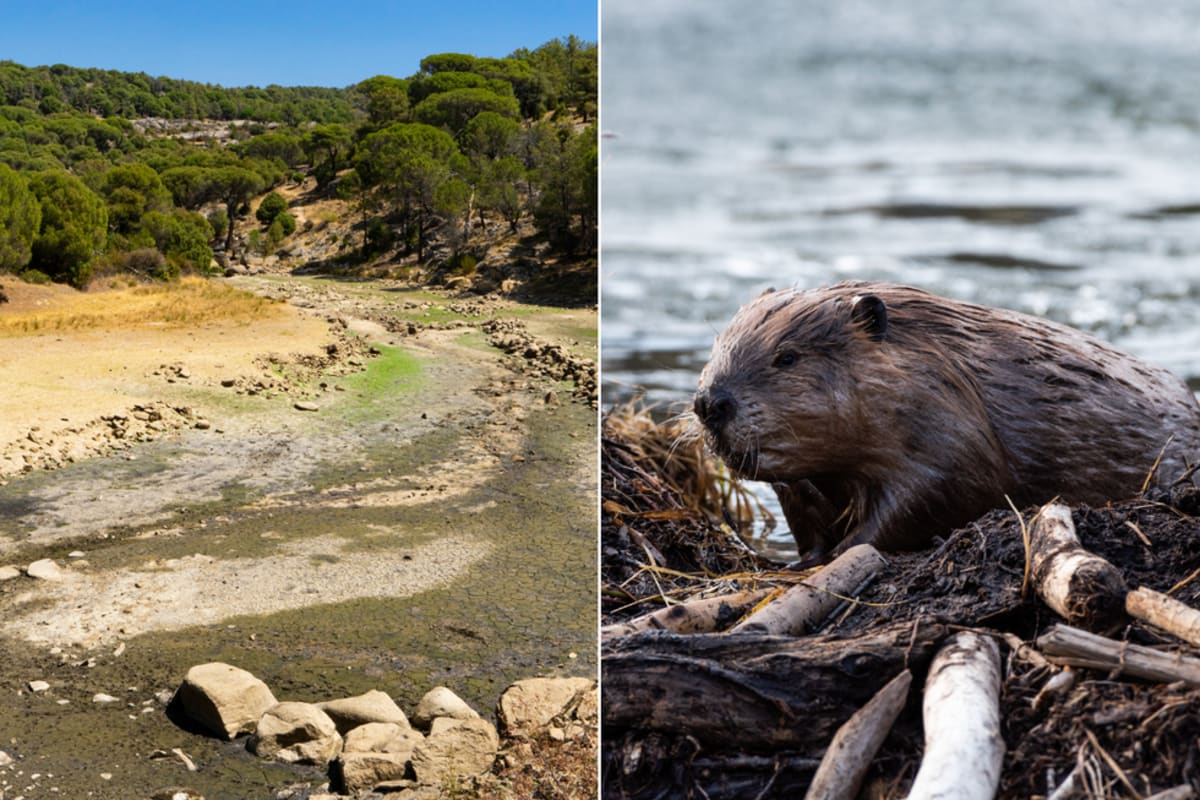
The plan was brilliant in its simplicity. Beaver dams create ponds and wetlands that act as safe havens when rivers run dry, giving fish and wildlife a place to survive until rain returns. These engineering marvels improve water quality, boost fish populations, and even reduce wildfire risk.
The team gathered beavers that had been removed from other areas for interfering with infrastructure or facing danger. After a brief quarantine, the animals were released onto the Price River to work their magic.
Not every beaver survived or stayed put. Some couldn't adapt to their new home, fell to predators, or simply wandered off. But enough remained to build dams and transform the landscape.
The Ripple Effect
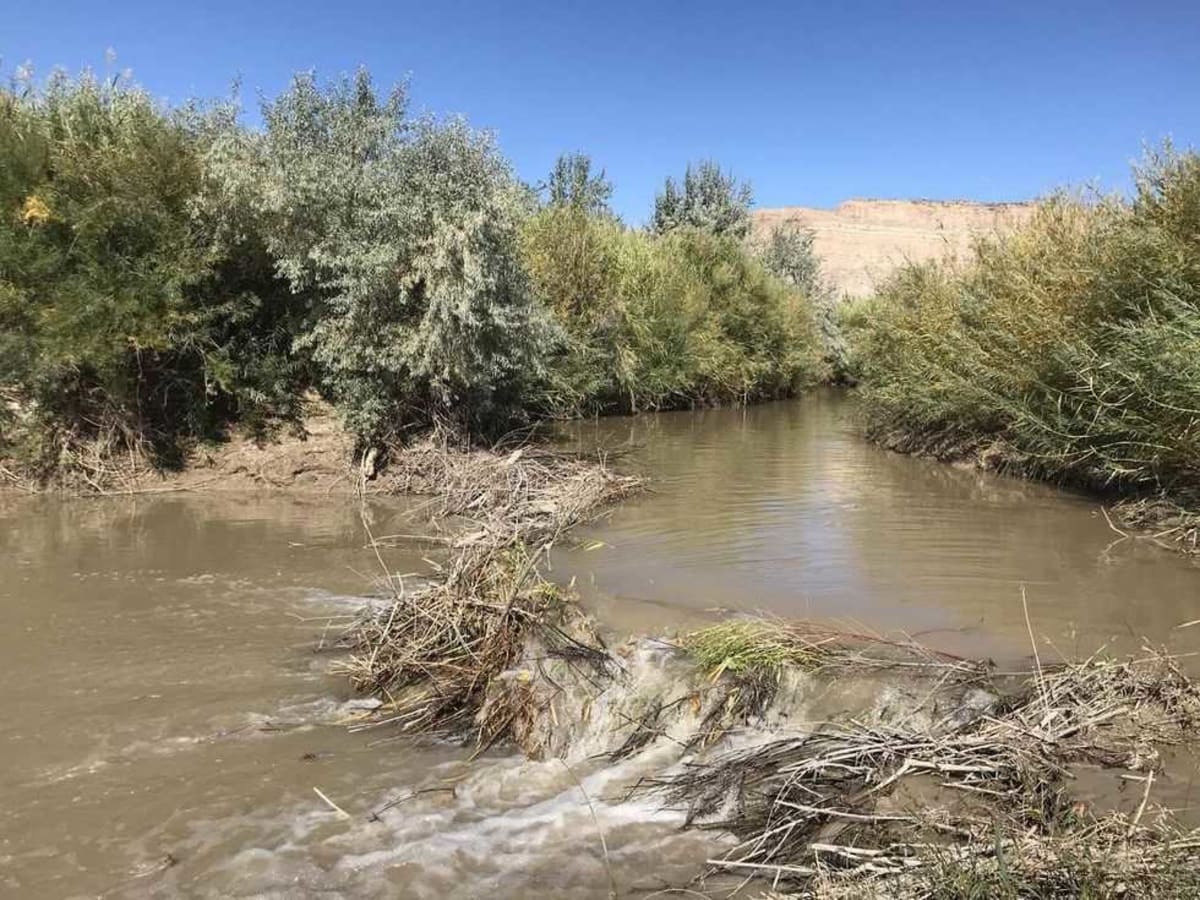
The results speak for themselves. The Price River now flows through downtown Helper, Utah, filled with kayakers, tubers, and anglers enjoying the restored waterway. A decade ago, this scene seemed impossible.
Local residents Lenise Peterman and Jordan Nielson wrote in The Salt Lake Tribune that the river's revival "helped save [our] Utah town." The thriving recreation economy brings tourists and jobs to a community that had watched its river fade away.
Federal investments helped too, removing debris and breaking down old dams while tightening grazing regulations. But experts agree the beavers are the real heroes, doing the heavy lifting with their natural engineering skills.
The success has inspired similar projects across Utah. Researchers are now bringing beavers to other struggling rivers and building artificial beaver dams to jumpstart recovery. Utah's San Rafael River, currently in rough shape, is next in line.
In one stretch where beavers naturally returned after flooding, riparian habitat exploded by 230%. That area now has the most diverse flow patterns anywhere on the river.
These same animals nearly went extinct during the fur trapping era and spent decades labeled as pests. Now they're finally getting recognition as the ecosystem superstars they've always been, with populations rebounding thanks to conservation efforts and better public understanding.
The Price River's transformation proves that sometimes the best solutions come from working with nature instead of against it.
More Images

Based on reporting by Upworthy
This story was written by BrightWire based on verified news reports.
Spread the positivity!
Share this good news with someone who needs it