Beekeepers and Scientists Push to Close Pesticide Loophole
A Colorado beekeeper who lost 85% of his hives is leading a fight against a pesticide loophole that's harmed pollinators and people. New regulations and growing awareness offer hope for safer farming.
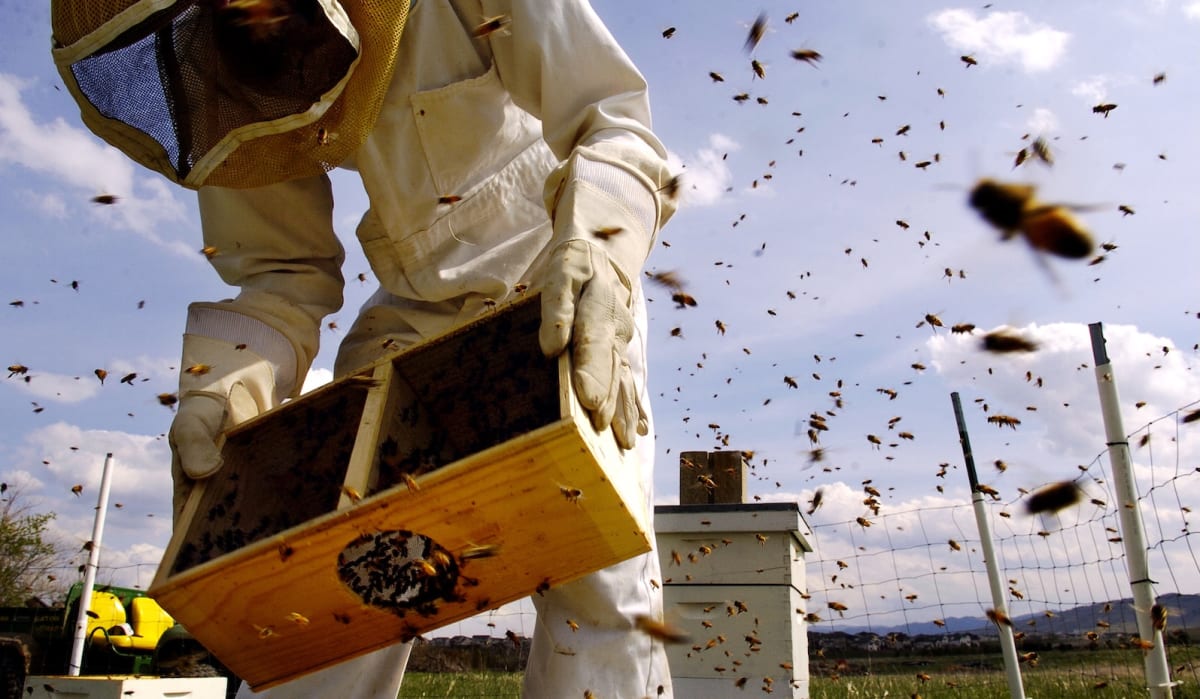
When Cory Kreft's bees started dying in 2021, he lost nearly a million dollars and 85% of his hives in a single year. The Colorado beekeeper traced the devastation to neonicotinoid pesticides, chemicals that coat most corn and soy seeds in America but face almost no regulatory oversight.
Kreft isn't giving up. He's joining scientists and advocates pushing to close a legal loophole that's allowed these pesticides to spread unchecked for decades.
Neonicotinoids, or neonics, were introduced in the 1990s as a safer alternative to older pesticides. Companies promised the chemicals would stay inside treated plants and pose little risk to wildlife or people. That promise fell apart quickly.
The pesticides persist in soil and water long after use, traveling through wind and waterways to contaminate areas miles away. Research shows they've harmed pollinators, ecosystems, and possibly human health too. Over 95% of pregnant women now have neonics in their bodies.
The biggest problem is a regulatory gap called the treated article exemption. This loophole lets companies coat seeds with pesticides without registering them as pesticide products. That means almost no monitoring of how they're used or disposed of.
The consequences became clear in Mead, Nebraska, where scientist Judy Wu-Smart watched her research bees die year after year. She discovered a nearby ethanol plant was processing North America's surplus pesticide-treated seeds without proper oversight, poisoning the surrounding area.
Residents found dead wildlife and sick pets. Farmers unknowingly spread high concentrations of neonics on their fields after buying contaminated soil conditioner from the plant. The facility closed in 2021 after mounting pressure, but researchers still don't know where excess treated seeds go now.
The Bright Side
Change is coming. Scientists like Wu-Smart have documented the damage so thoroughly that regulators can no longer ignore it. Research proving these seed coatings don't even improve crop yields gives farmers economic reasons to choose untreated seeds.
Kreft now helps other beekeepers identify pesticide damage and advocates for stronger protections. His losses taught him something valuable: when people understand the problem, they want solutions.
The regulatory loophole that allowed this crisis won't last forever. Armed with solid science and determined advocates, the push for accountability is growing stronger every year.
More Images




Based on reporting by Grist
This story was written by BrightWire based on verified news reports.
Spread the positivity!
Share this good news with someone who needs it