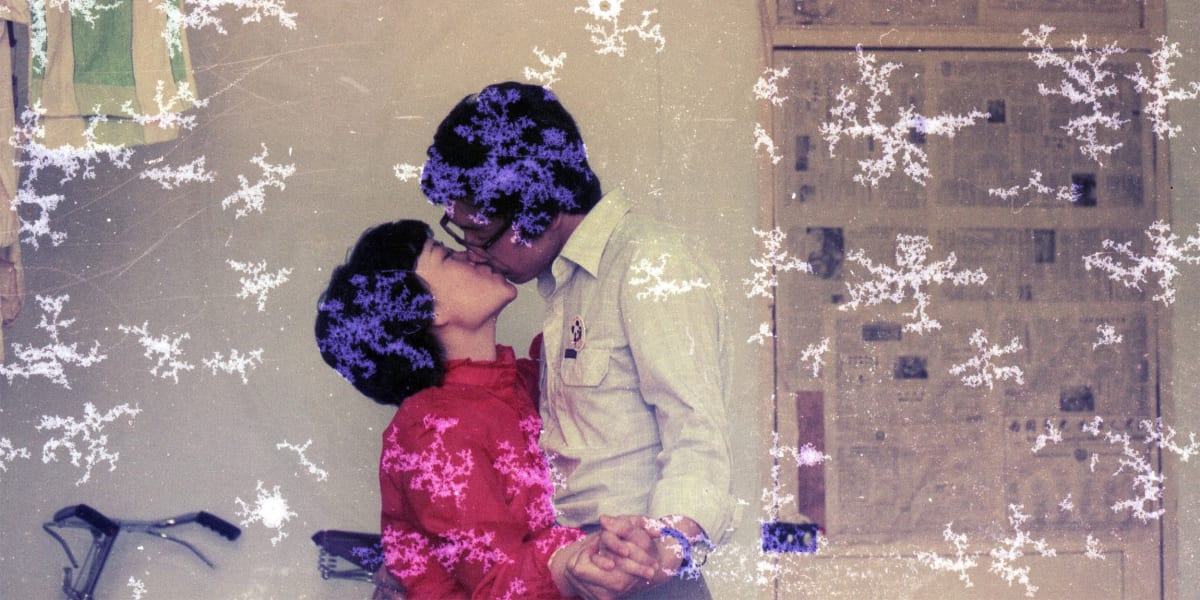
Beijing Archive Saves 1990s Family Photos from Recycling
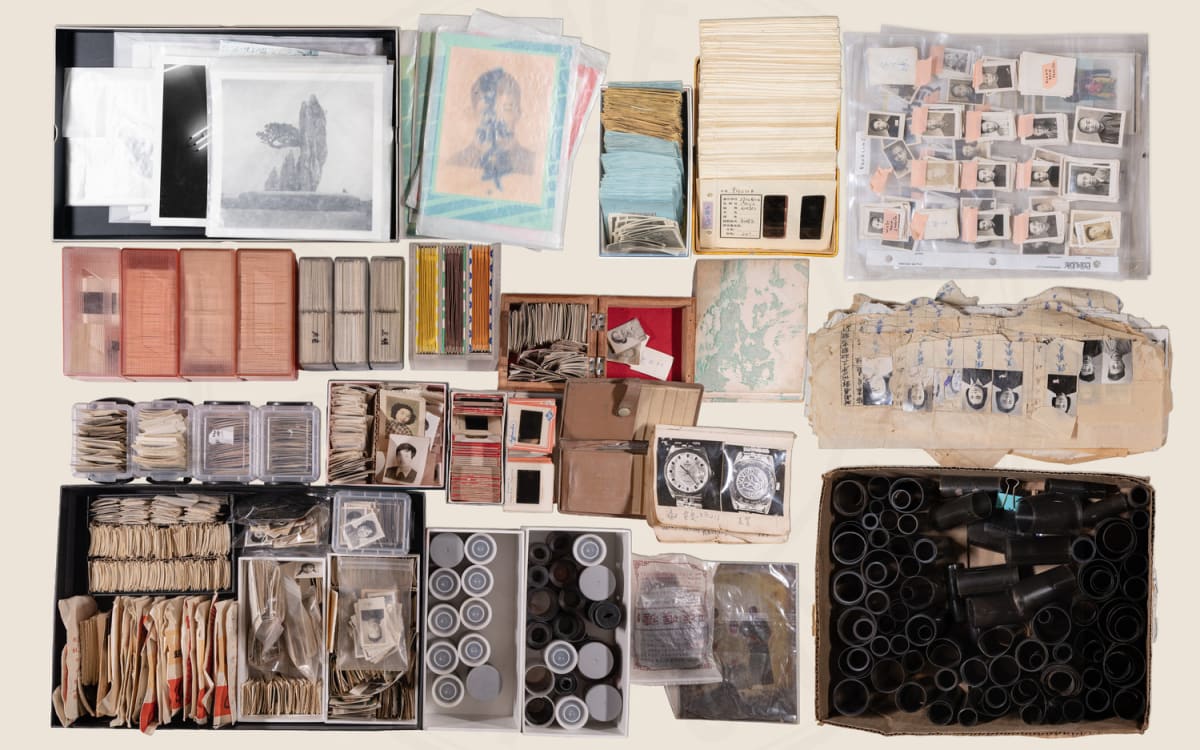
A French artist partnered with a Beijing recycler to rescue thousands of discarded family negatives, creating a stunning window into everyday Chinese life before smartphones. The Beijing Silvermine archive now preserves moments families once treasured with just 36 photos per year.
In the 1990s, Chinese families had exactly 36 chances per roll of film to capture their most important moments. Today, those precious negatives tell a story of transformation that almost ended up as scrap metal.
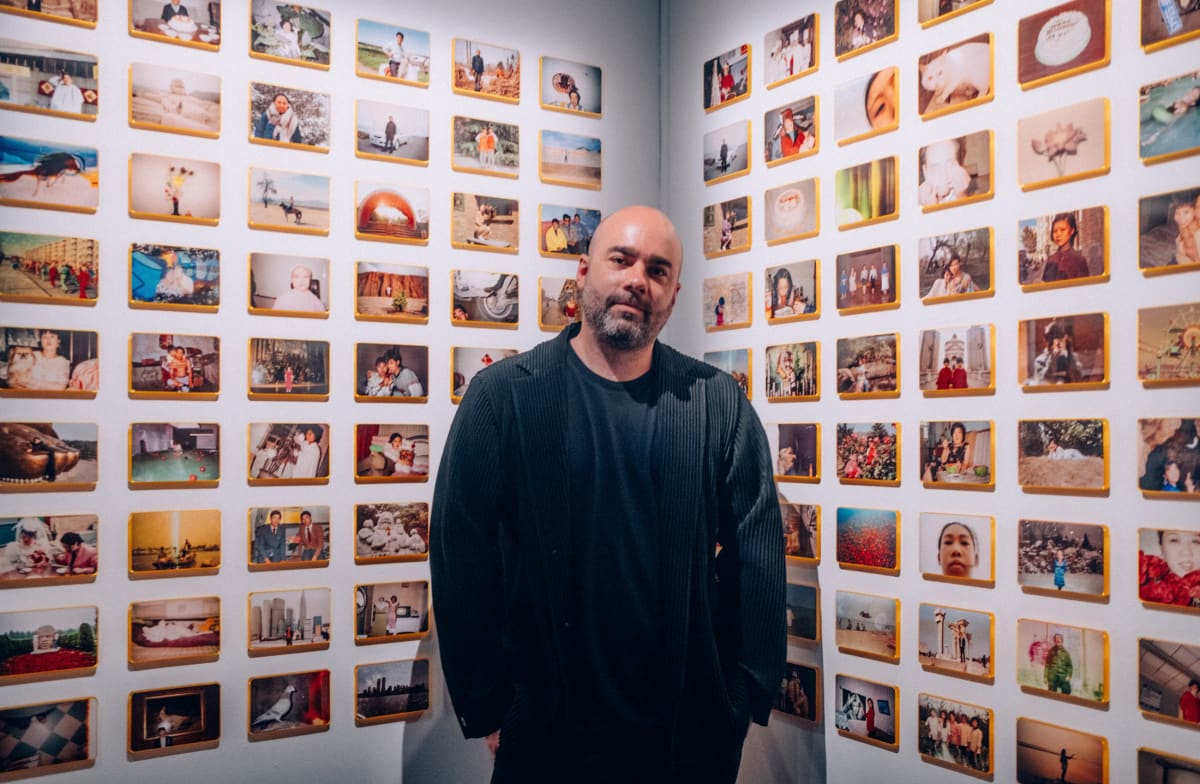
French artist Thomas Sauvin met Xiaoma, a Beijing recycler, in 2009 at a facility where old photo negatives were being melted down for silver nitrate. The two struck a deal that would save thousands of family memories from destruction and create the Beijing Silvermine, one of China's largest private photo archives.
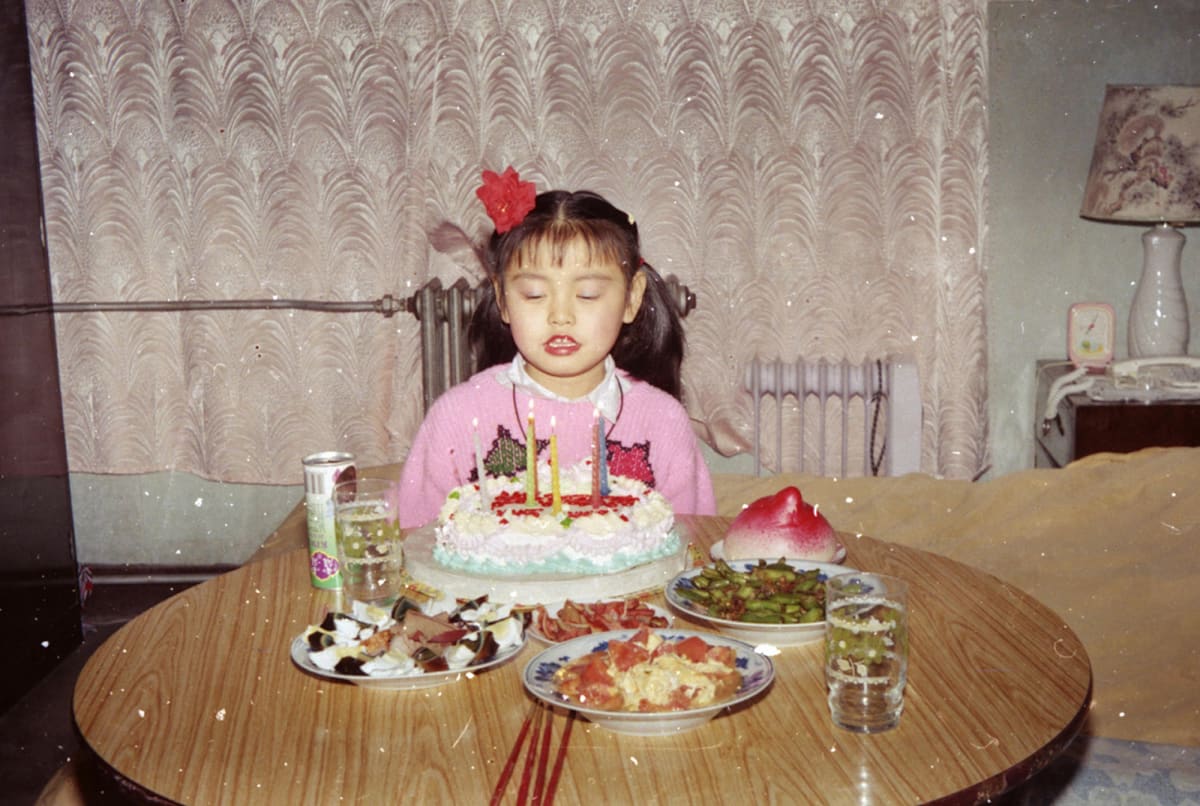
The rescued images reveal an era when photography meant something different. Families posed proudly beside their first refrigerators in the early 1990s, documenting appliances the way we might capture major life events today. Parents, children, and grandparents smiled easily at the camera, capturing joy without the self-consciousness of the Instagram age.
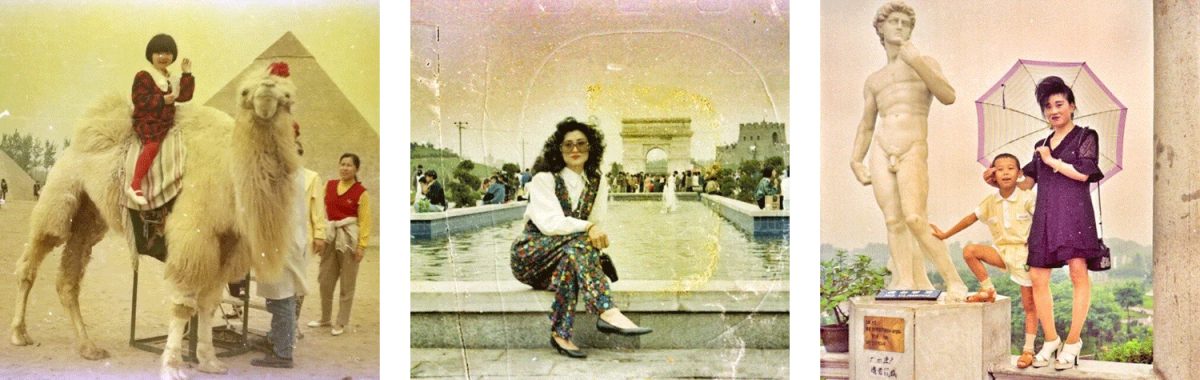
One particularly striking pattern emerged from Beijing World Park, which opened in 1993. Thousands of negatives show Chinese families photographing themselves with replicas of the Eiffel Tower, Statue of Liberty, and Twin Towers. Then, just a few years later in the early 2000s, Sauvin noticed those same families were no longer at the theme park—they were standing in front of the real monuments abroad, documenting China's rapid economic rise through their personal travels.
Why This Inspires
These ordinary snapshots accidentally captured extraordinary change. No professional photographer or historian would have thought to document people posing with refrigerators, yet these everyday moments paint the truest picture of how quickly life transformed for millions of Chinese families.
The archive reminds us that before unlimited cloud storage, people chose their 36 exposures carefully. Birthdays, weddings, new purchases, and family gatherings all competed for space on a single roll of film. Each click of the shutter meant something.
Interestingly, film photography is making a comeback among young Chinese consumers. Lucky Film, a domestic manufacturer, recently relaunched its color negative film to meet demand from nostalgic millennials and curious Gen Z photographers. A single roll now costs over 100 yuan (about $15) for those same 36 photos—making it a luxury hobby rather than the primary way families preserve memories.
But Sauvin notes something has shifted. Today's film photographers often shoot analog specifically to scan and post their vintage-looking images on social media platforms like Xiaohongshu. The intention has changed from preserving private family moments to creating shareable content.
The Beijing Silvermine stands as a bridge between these two eras, preserving the genuine, unfiltered joy of people who photographed life simply because they were living it.
More Images
Based on reporting by Sixth Tone
This story was written by BrightWire based on verified news reports.
Spread the positivity!
Share this good news with someone who needs it