Belarus Grows Forests by 1 Million Hectares in 30 Years
Belarus has expanded its forests by one million hectares over three decades, now covering 40% of the country, while pioneering digital solutions to protect trees from climate threats. Despite doubling wildfire incidents last year, new international partnerships are helping safeguard these vital carbon-storing ecosystems.
Belarus just proved that growing your way out of a climate crisis is possible.
Over the past 30 years, this Eastern European nation has added one million hectares of forest. That's equivalent to one hectare of new forest per person, double the global average growth rate. Today, forests blanket more than 40% of the country, creating a massive natural shield against climate change.
These aren't just pretty trees. Belarus's forests absorb carbon, regulate water systems, prevent soil erosion, and clean the air for neighboring countries too. They employ 40,000 people in forestry jobs and generate over 8% of national exports through wood products alone.
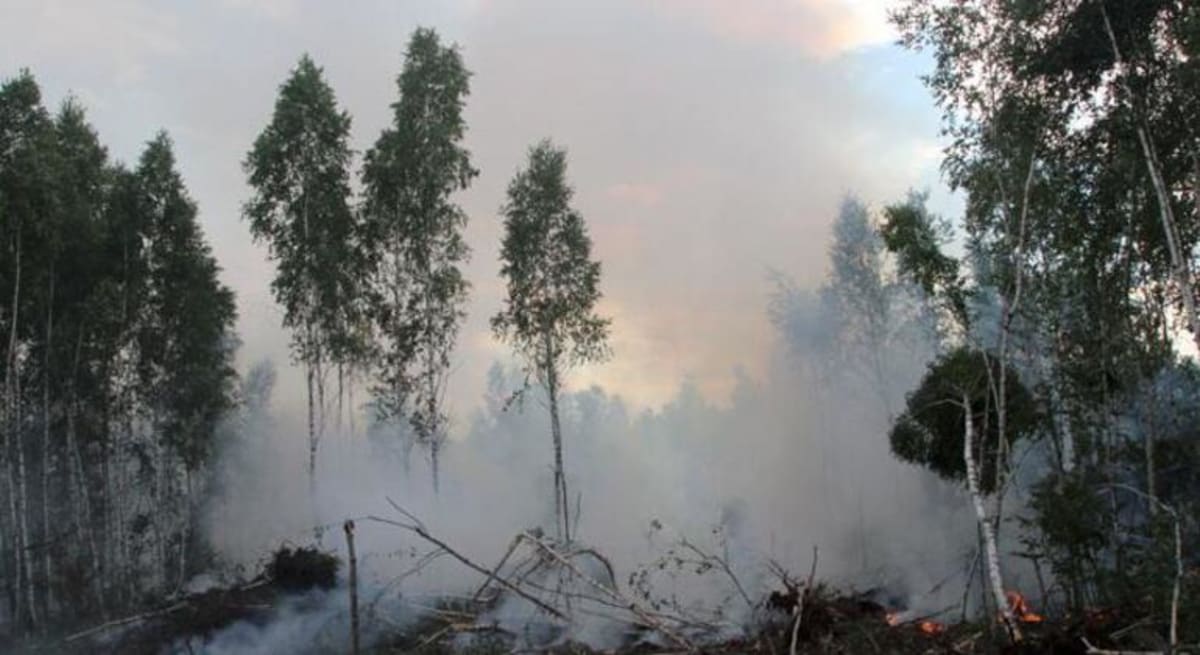
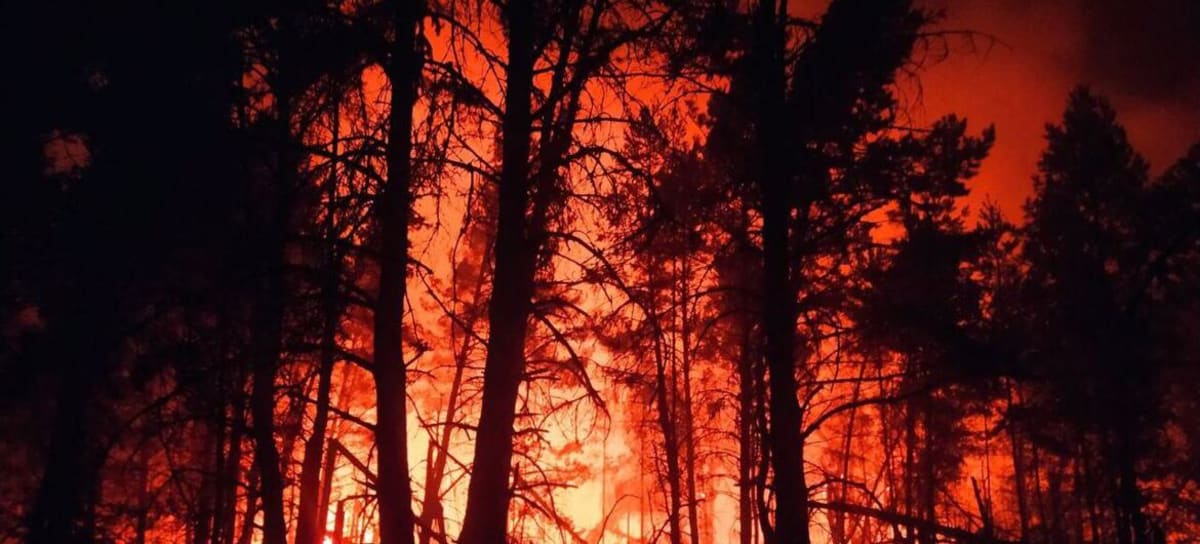
But 2025 brought a sobering wake-up call. Forest fires doubled from the previous year, with over 700 blazes scorching 1,200 hectares since the fire season began. Climate change is shortening frost periods, shifting rainfall patterns, and creating perfect conditions for destruction.
Rising temperatures also invited unwelcome guests. Bark beetles and sawflies are multiplying in the warming climate, threatening the coniferous forests that dominate the landscape. These pests can wipe out entire ecosystems if left unchecked.
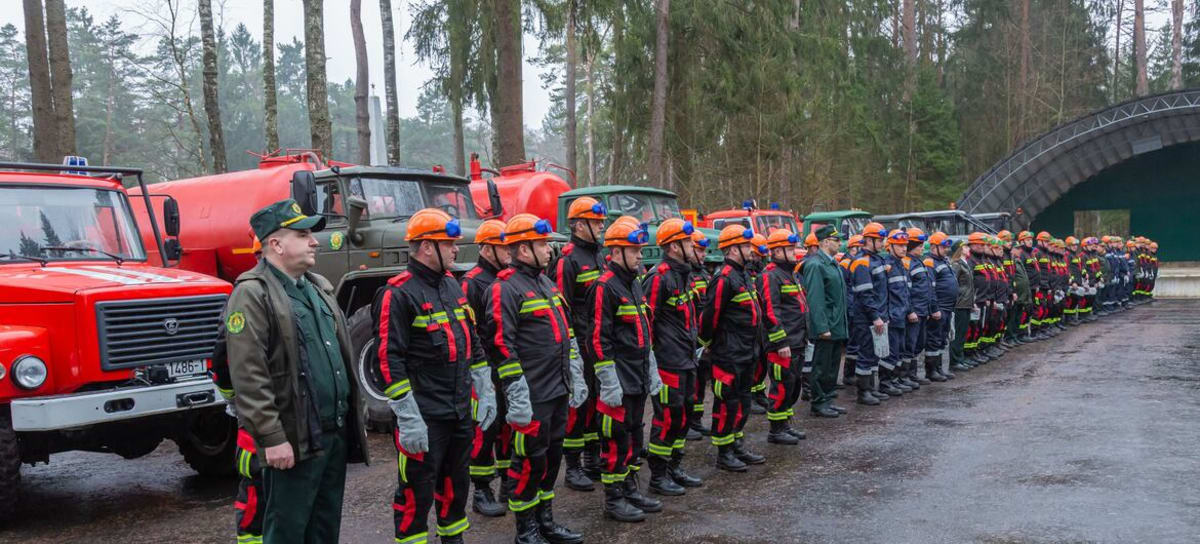
Belarus isn't waiting for the damage to spread. The UN Development Programme has partnered with the Ministry of Forestry to roll out digital monitoring systems that detect threats before they become catastrophes. In February 2026, the country adopted a comprehensive national strategy for biodiversity conservation.
A groundbreaking fire prevention project launched last year with support from China, marking the first South-South cooperation initiative of its kind in Belarus. Russia is backing another program to develop ecotourism, turning protected forests into sustainable income sources for local communities.
The Ripple Effect
These forest protection efforts are creating jobs beyond traditional logging. Ecotourism is opening doors for small business owners who design educational nature routes and services. Young people are getting trained as conservation specialists in nature reserves, building careers around protecting rather than extracting.
The digital forest monitoring system Belarus is developing could become a model for other nations struggling with climate-driven forest threats. When trees in one country store carbon, the whole planet benefits.
Local communities are learning to see forests as living partners, not just resources to harvest. That mindset shift matters as much as the technology.
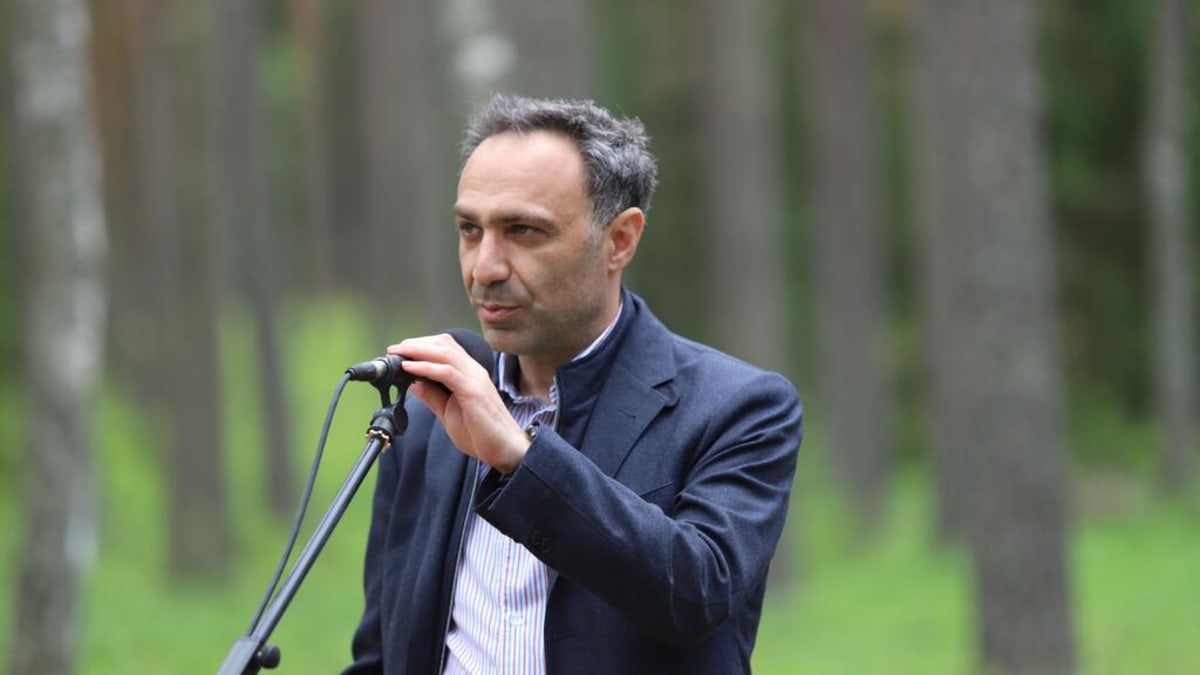
"A forest is a living organism," says Armen Martirosyan, UNDP's deputy representative in Belarus. "It must be treated not simply as a resource, but as part of our shared reality, one on which our future depends."
Belarus is betting its future on that truth, one hectare at a time.
More Images
Based on reporting by UN News
This story was written by BrightWire based on verified news reports.
Spread the positivity!
Share this good news with someone who needs it