Belarusian Activist Free After Ripping Up Passport
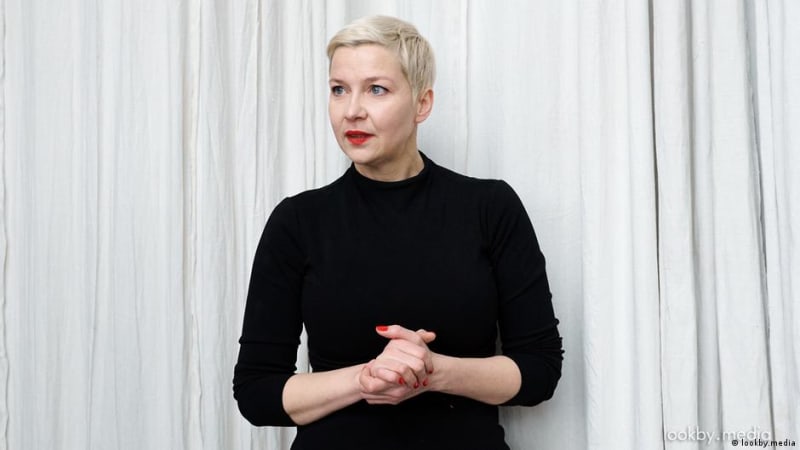
Maria Kolesnikova, who famously tore up her passport to avoid forced exile in 2020, is rebuilding her life in Berlin after five years in a Belarusian prison. The professional flautist now has asylum in Germany and is focused on freeing the 1,100 political prisoners still behind bars.
When Belarusian security forces tried to force Maria Kolesnikova across the Ukrainian border in 2020, she did something unforgettable. She ripped up her passport in the neutral zone and ran back into Belarus on foot, choosing imprisonment over exile.
That bold choice cost her five years in prison, including months in isolation that left her with a life-threatening health condition. But in December 2024, international pressure and a US-brokered deal secured her release alongside 122 other political prisoners.
Today, the professional flautist is healing in Berlin, where Germany granted her political asylum. She's living in a friend's apartment while searching for her own place, recovering from health issues she developed during her incarceration.
Her freedom came without papers. Kolesnikova and fellow released prisoners were exiled with no identification documents, forcing them to start from scratch in new countries.
She's even dealing with frozen bank accounts because EU sanctions on Belarus affected ordinary citizens like her. "I can't complain, I'm receiving so much support from so many people," she says. "But thousands of Belarusians are not."
Why This Inspires
Kolesnikova's story reveals the power of staying focused on what matters most. Despite her own struggles with frozen accounts and missing documents, she's channeling her energy toward freeing the 1,100 political prisoners still in Belarus.
She's calling on European politicians to prioritize three goals: releasing all political prisoners, ending political repression, and stopping Belarus's isolation. "Everyone criticized me for thanking Lukashenko," she says, referring to thanking the dictator at a press conference. "I would thank the devil if it meant people were set free."
Her willingness to work with anyone, even those who imprisoned her, shows pragmatic courage. Some called it controversial, but Kolesnikova sees it as necessary strategy for saving lives.
She's also ready to rebuild her career. Relying on family support for now, she's planning to work again soon. German authorities have been supportive in helping her navigate the complex paperwork of starting over.
The woman who chose prison over forced exile now has a new mission: ensuring others don't have to make that choice.
Based on reporting by DW News
This story was written by BrightWire based on verified news reports.
Spread the positivity!
Share this good news with someone who needs it