Belgian Test Detects Autoimmune Diseases During Pregnancy
Researchers at UZ Leuven discovered how to detect autoimmune diseases like Lupus in pregnant women using an existing test that millions already take. The breakthrough requires no extra blood draws or costs, just smarter analysis of data already collected. #
A simple pregnancy test that millions of women already take could soon catch serious autoimmune diseases before symptoms even appear.
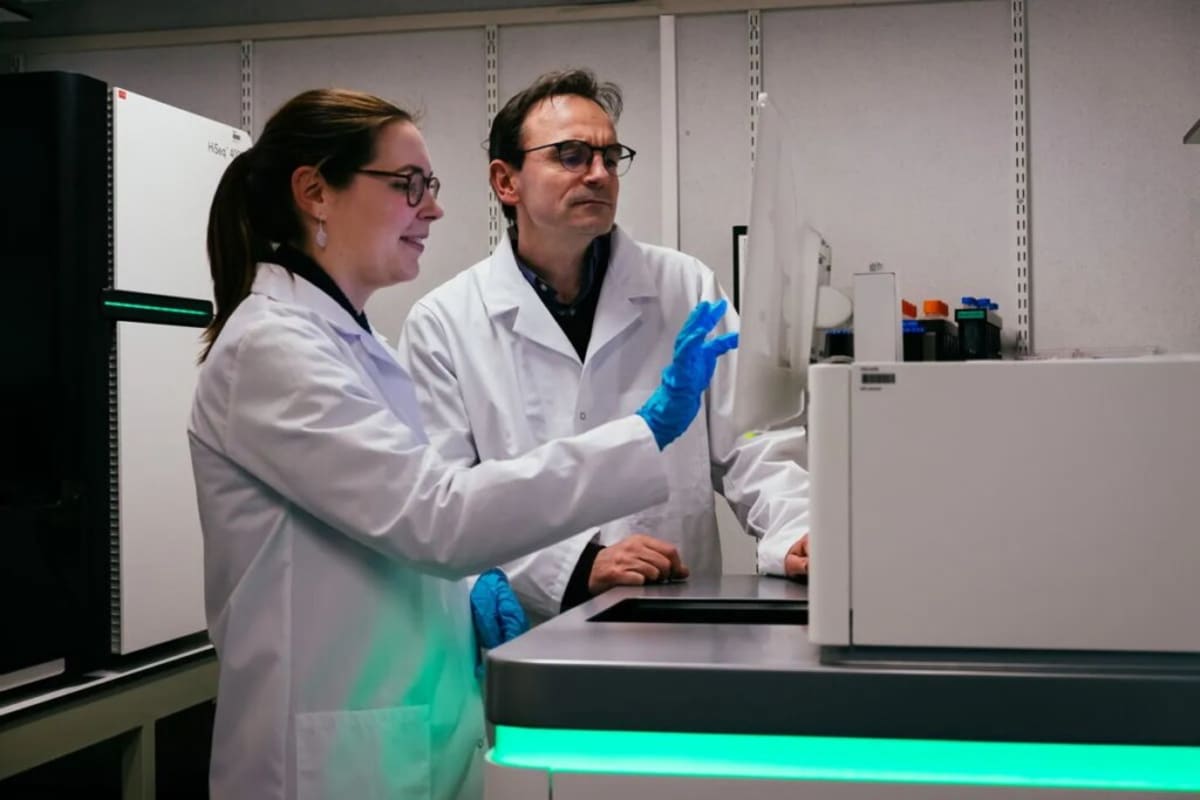
Researchers at Belgium's UZ Leuven hospital discovered they can detect illnesses like Lupus using the combined non-invasive prenatal test (NIPT), which most pregnant women already undergo to screen for Down syndrome. The method analyzes DNA fragments in ways doctors never thought to examine before.
"The data is already present in the NIPT but we have not used it until now," said Joris Vermeesch, who leads the genetics team behind the discovery. Instead of just counting DNA fragments to detect chromosomal abnormalities, his team studies their size, distribution, and patterns across the entire genome.
This matters because autoimmune diseases often intensify or first appear during pregnancy. When the body attacks its own cells, those cell deaths leave specific fingerprints in DNA fragments. But pregnant women frequently dismiss early warning signs like fatigue or joint pain as normal pregnancy symptoms, delaying treatment when early intervention could prevent complications.
The new analysis catches these diseases with 80% to 90% accuracy, and the team already has ideas for improvement. Clinical trials start next, with Vermeesch predicting the method could become standard prenatal care soon.
The Ripple Effect
Here's what makes this breakthrough special: it costs almost nothing to implement. Labs already draw the blood, extract the DNA, and run the analysis overnight. The new disease detection runs in parallel using the same data, requiring only computing power.
"There is hardly any additional cost, apart from a little computing," Vermeesch explained. No extra blood draws. No separate lab visits. No barrier to access.
The team is the first worldwide to develop this method, validating their results with an external research group in Limburg. They're now looking to involve colleagues internationally to expand the program.
For expectant mothers, this means one routine test could soon provide two layers of protection: screening their baby for chromosomal conditions while monitoring their own health for diseases that pregnancy might trigger or worsen.
#
More Images
Based on reporting by Google News - Researchers Find
This story was written by BrightWire based on verified news reports.
Spread the positivity!
Share this good news with someone who needs it