Beluga Whales Beat Inbreeding by Switching Mates for Life
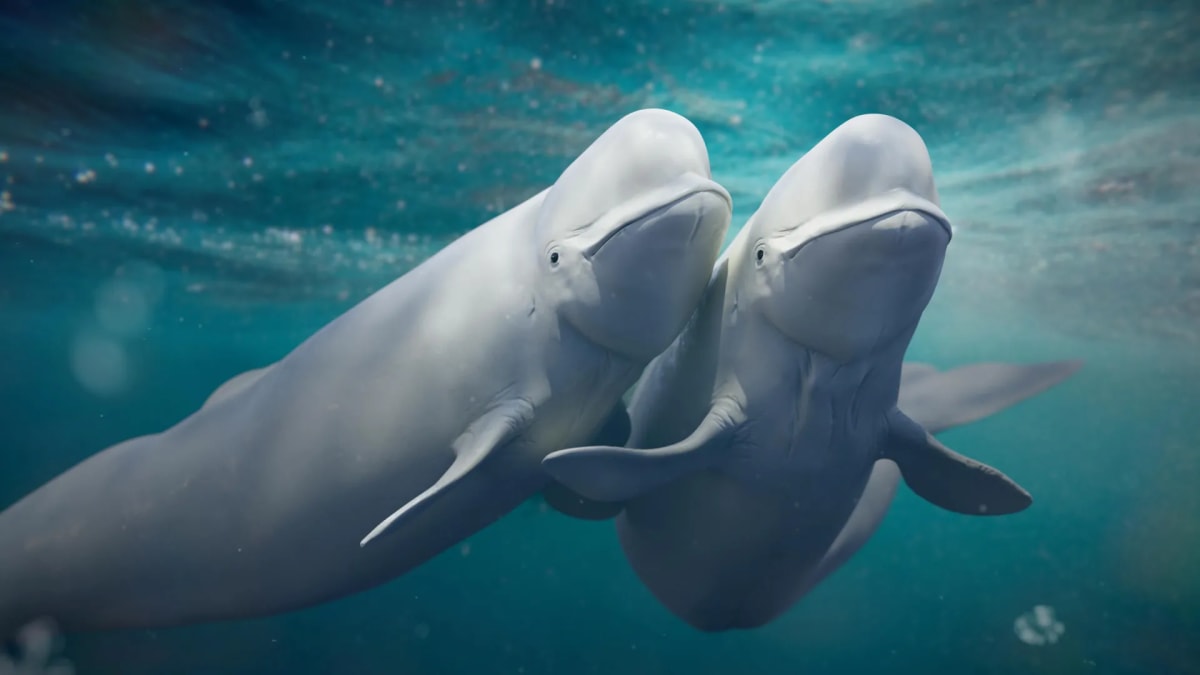
A 13-year DNA study of Alaska's beluga whales revealed a surprising survival strategy: both males and females regularly change partners throughout their long lives, keeping their population genetically healthy. This mate-switching behavior may explain how just 2,000 whales maintain the genetic diversity of much larger populations.
Beluga whales living beneath Alaska's icy waters have been hiding a genetic success story that scientists are only now beginning to understand.
Researchers spent 13 years collecting DNA samples from 623 beluga whales in Bristol Bay, Alaska, working alongside scientists from Florida Atlantic University, the Alaska Department of Fish and Game, and Alaska Native subsistence hunters. What they discovered challenges everything they expected about how these Arctic mammals build families and survive.
Both male and female belugas regularly have offspring with different partners over their lifetimes, which can span 90 years or more. When calves had siblings, they typically shared only one parent rather than both, revealing a pattern of constant mate-switching across breeding seasons.
"We still know very little about beluga whales, despite their immense popularity," said Dr. Greg O'Corry-Crowe of Florida Atlantic University, who led the study published in Frontiers in Marine Science. "The primary reason for this is the difficulty of studying a species that lives beneath the waves in the cold and often frozen north."
The researchers initially predicted that the largest, most competitive males would dominate mating and father most of the calves. Instead, they found something more balanced. While some males did father more offspring than others, the difference wasn't as extreme as expected.
Female belugas showed an equally surprising pattern. Rather than sticking with successful mates, they changed partners season after season. Scientists believe this could be a smart strategy to avoid mating with low-quality males.
The real shock came when researchers analyzed the population's genetic health. Despite numbering only about 2,000 individuals, Bristol Bay belugas showed genetic diversity comparable to much larger populations. Even more encouraging, that diversity has remained stable over time.
Why This Inspires
Small, isolated populations typically face a genetic time bomb. They lose diversity quickly and risk inbreeding, which can doom a species. The Bristol Bay belugas seemed destined for this fate.
But nature found a workaround. By switching mates frequently over their long lives, these whales limit the number of closely related offspring in the population. That reduces the chance of close relatives mating and producing inbred calves.
"We cannot afford to be complacent, but we can be optimistic that beluga whale mating strategies provide evidence of nature's resilience," O'Corry-Crowe explained. The whales may be playing what he calls "a long game," with males securing just a few matings each year across decades of reproductive life.
The three-dimensional ocean environment likely helps too. Unlike land animals, male belugas can't easily control or guard multiple females at once. The fluid social structure, where groups constantly break apart and reform, gives everyone access to many potential partners over time.
These Arctic whales are teaching us that sometimes the key to survival isn't fighting harder or growing bigger, but simply mixing things up and taking the long view.
Based on reporting by Science Daily
This story was written by BrightWire based on verified news reports.
Spread the positivity!
Share this good news with someone who needs it