Bengal Tigers Help Rural Families Send Kids to School
Conservation scientist reveals how protecting Bengal tigers creates a surprising chain reaction that ends with more children in classrooms. The connection runs from apex predators through healthier forests and groundwater to prosperous farming families who can finally afford education.
A tiger prowling through a Bengal forest might seem worlds away from a child walking to school, but conservation scientist Faiyaz Ahmad Khudsar says they're directly connected.
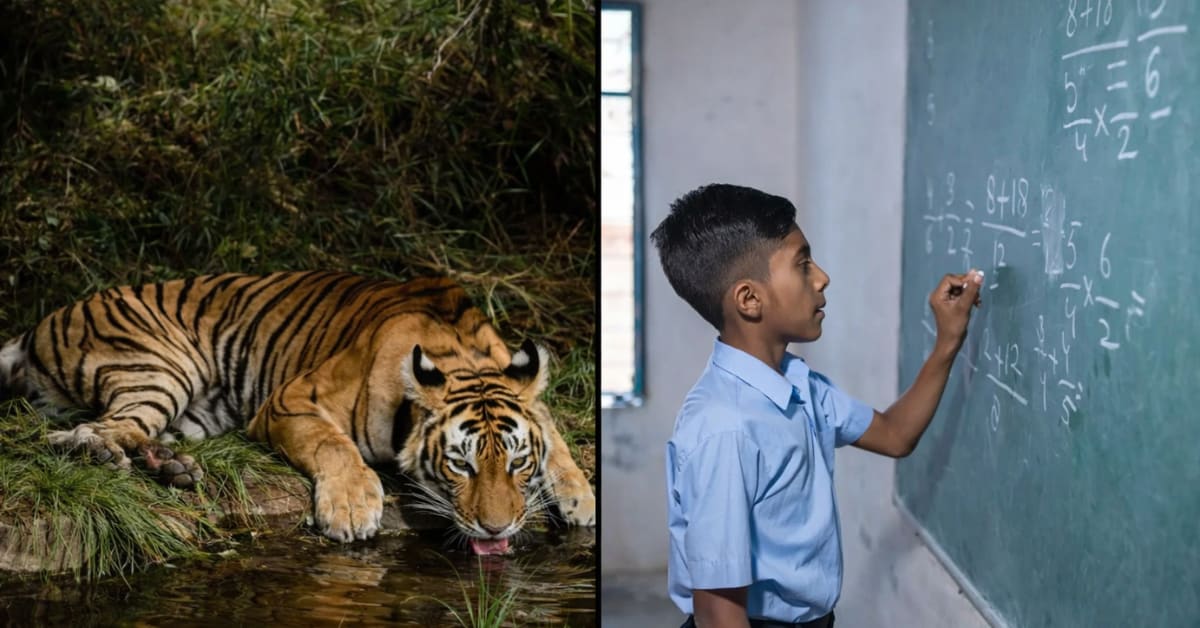
The link starts with something simple: tigers hunt deer. When tiger populations stay healthy, deer numbers stay balanced, which means grasslands and forest undergrowth can flourish instead of being stripped bare by overgrazing.
That vegetation does something remarkable during monsoon season. Instead of rainwater rushing away as runoff, it seeps deep into the soil, replenishing underground aquifers that feed village wells.
"During monsoon, the surface runoff drastically reduces, and water goes deep inside," Khudsar explains. Wells hold more water for longer, and soil retains moisture well beyond the rainy season.
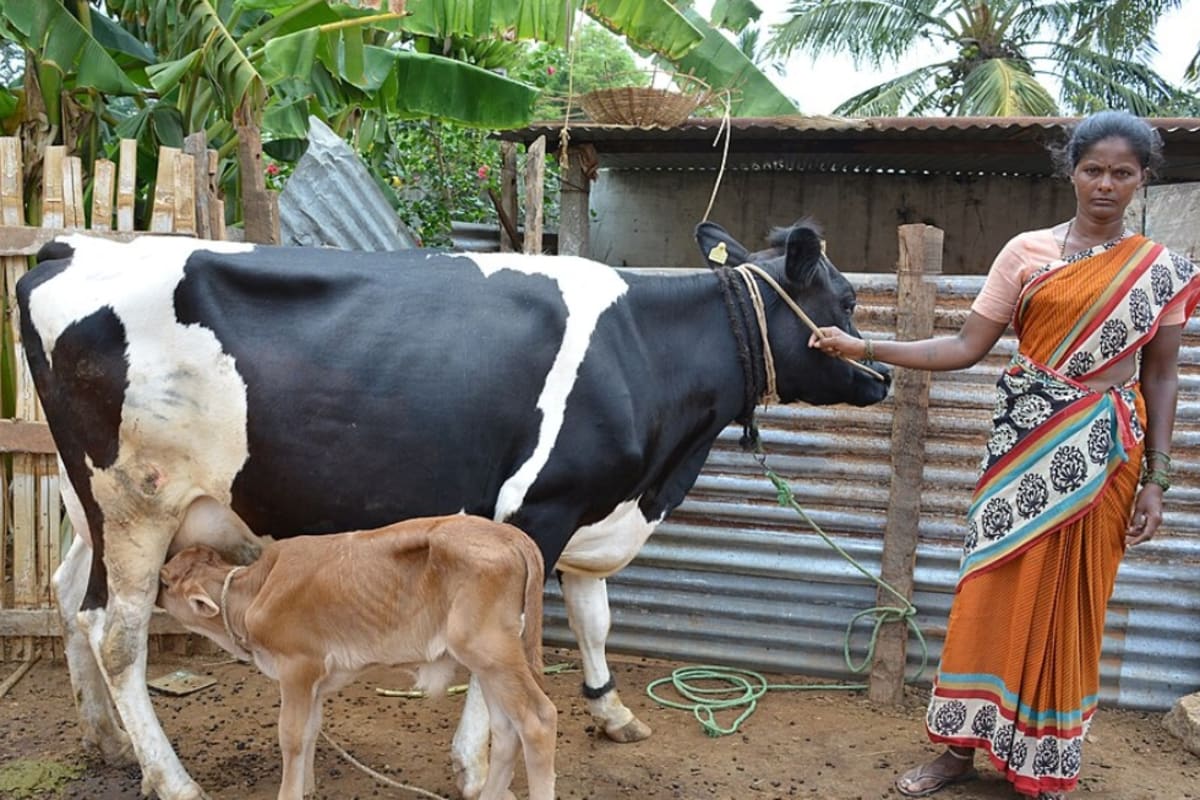
For farming families living on narrow margins, this changes everything. Crops survive longer dry spells, and harvests become more reliable season after season.
India now counts over 3,000 wild tigers thanks to decades of focused conservation under Project Tiger. But the real story isn't just about tiger numbers—it's about what those tigers make possible for everyone else.
The Ripple Effect
When groundwater stays abundant and soil stays healthy, farming families start making different choices. A single failed harvest can mean debt or hunger in subsistence economies, but steady yields create breathing room.
Parents who once needed every available hand for cattle grazing or farm work begin reconsidering their priorities. Education shifts from luxury to possibility.
"When you prosper, instead of sending your kids for cattle grazing and goat grazing, you start sending your kids to schools," Khudsar says. The prosperity is visible in everyday decisions.
Ecologists call this a trophic cascade, where changes at the top of the food chain ripple downward through entire systems. In regions like the Sundarbans, where forests and settlements exist side by side, these connections become especially clear.
Khudsar's explanation challenges the usual conservation narrative that separates wildlife from people. Protecting tigers means protecting deer, grasses, insects, birds, soil stability, water cycles, agricultural reliability, and ultimately human opportunity.
"A tiger can help you," he notes. "Though we are protecting the tiger, we are helping many things."
To protect a tiger is to protect fuller wells, richer soil, steadier harvests, and classrooms where children can sit and learn instead of working in fields.
More Images
%2B(1).png)
%2Fenglish-betterindia%2Fmedia%2Fmedia_files%2F2026%2F04%2F10%2Ftbi-indie-dog-adoption-6-2026-04-10-17-08-54.png)
%2Fenglish-betterindia%2Fmedia%2Fmedia_files%2F2025%2F11%2F20%2Fwild-at-heart-banner-image-microsite-banner-2025-11-20-16-17-04.jpg)
.png)
Based on reporting by The Better India
This story was written by BrightWire based on verified news reports.
Spread the positivity!
Share this good news with someone who needs it