Bengal Women Host First All-Female Iftar for Unity
A college in West Bengal is breaking tradition by hosting an iftar party organized by women, for women. The event welcomes non-Muslim guests to learn about Ramadan while building bridges across communities.
Women in West Bengal are rewriting the rules of a centuries-old tradition, creating space for connection where it hasn't existed before.
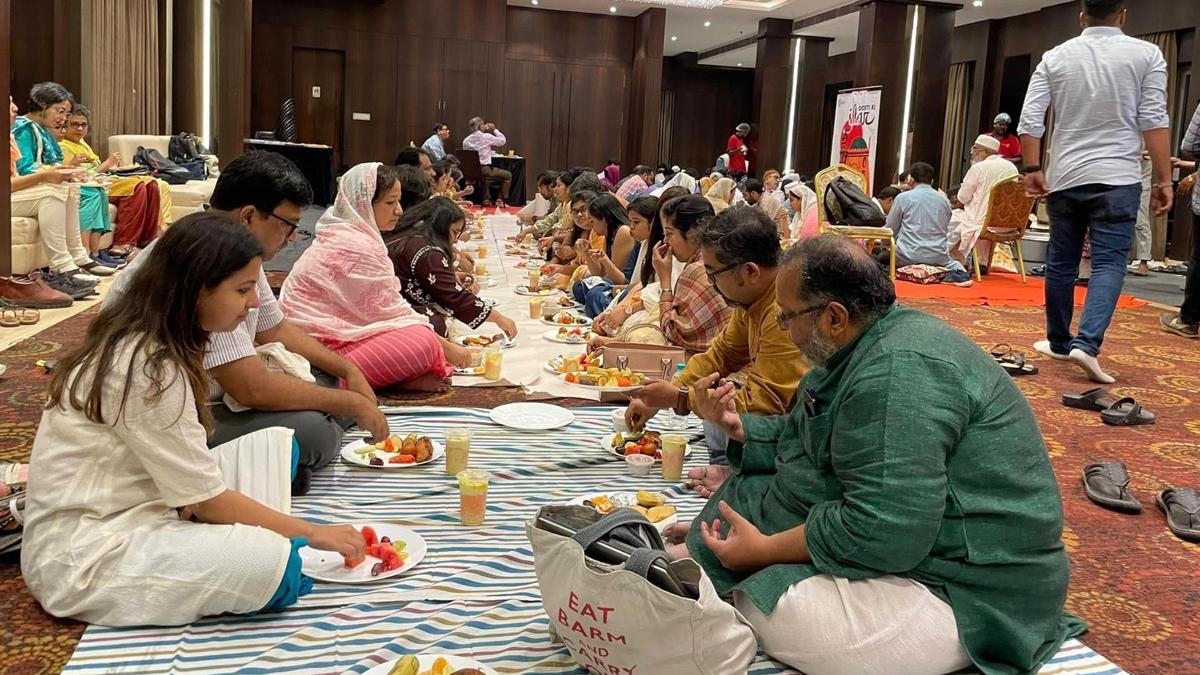
Deeniyat Muallima College in Santragachi is hosting "2026 Dosti ki Iftar" on March 7th, marking the first time women have organized and led an iftar celebration for an all-female audience in the region. The event partners with Know Your Neighbour, a Kolkata-based initiative focused on building understanding between communities.
The guest list breaks new ground too. Organizers have invited students and faculty from colleges across Kolkata, with a focus on welcoming non-Muslim women who want to learn about Ramadan and the traditions surrounding Islam's holy month.
Traditionally, iftar parties happen in male-only spaces, with men serving as both hosts and guests. This event flips that script entirely, creating room for women to lead conversations about their faith and culture.
The organizers describe their mission simply: provide a space for women to exchange views and break down myths and stereotypes. In a world where misunderstanding often drives division, sharing a meal becomes an act of courage and kindness.
The college sits in Santragachi, just across the river from Kolkata, but the event's impact could ripple much further. When women gather to share stories over food, barriers start to crumble.
The Ripple Effect
This single evening represents something larger than one meal. By centering women's voices and leadership in a traditionally male space, the event models what inclusive celebration looks like.
The focus on inviting non-Muslim guests transforms iftar from an internal religious observance into a bridge between communities. Every question asked and answered, every stereotype challenged over shared plates, plants seeds of understanding that guests will carry back to their own circles.
Similar initiatives could spring up across India and beyond as word spreads. When one group of women proves that tradition can evolve to include rather than exclude, they give permission for others to try the same.
Friendship, after all, grows best when people actually know their neighbors.
Based on reporting by The Hindu
This story was written by BrightWire based on verified news reports.
Spread the positivity!
Share this good news with someone who needs it