Bengaluru Museum Celebrates Unsung Artists Behind Colonial Art
A groundbreaking exhibition reveals the hidden contributions of Indian artists and plant collectors whose work shaped botanical science but went uncredited for centuries. The Museum of Art and Photography is honoring International Museum Day by giving away free annual passes to visitors who bring their "museum buddy."
The next time you see a beautiful botanical illustration in a science book, there's a good chance an unacknowledged Indian artist painted it centuries ago.
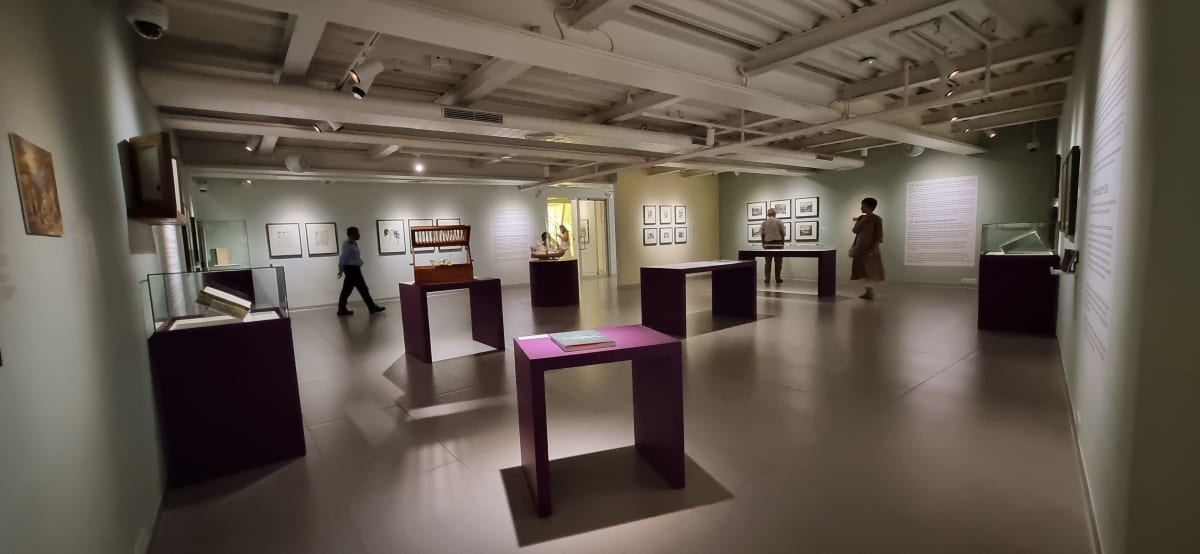
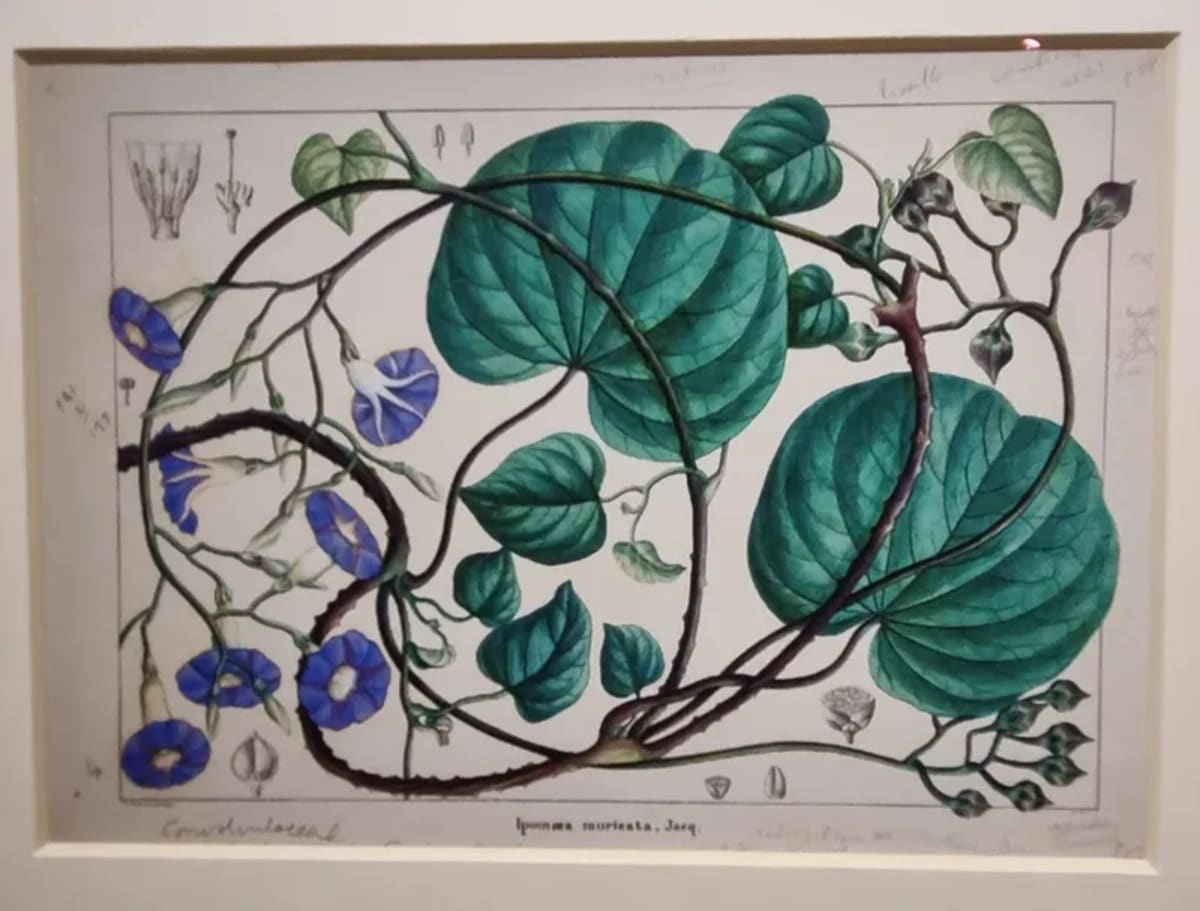
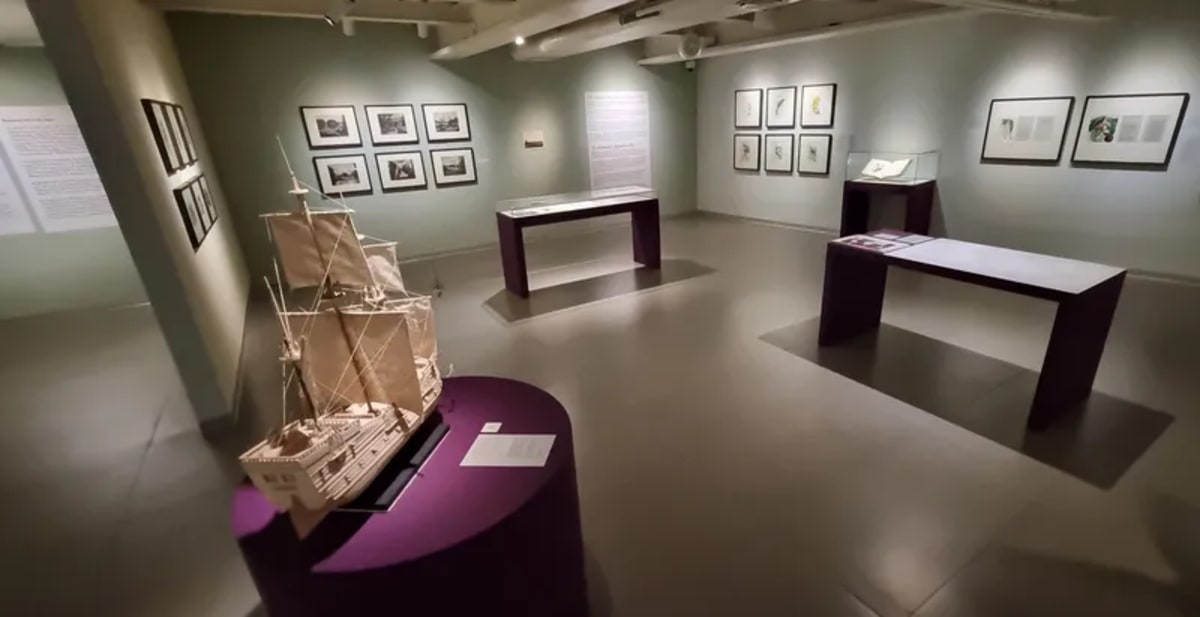
The Museum of Art and Photography in Bengaluru is changing that narrative with Paper Gardens, a five-month exhibition featuring 120 works of botanical art from the 17th to 20th centuries. For the first time, an Indian museum is spotlighting the Indigenous gardeners, collectors, and master artists who created these scientific treasures under British colonial rule but rarely received credit.
"We are thrilled to present this landmark exhibition," says curator Shrey Maurya. The collection includes paintings, textiles, prints, and illustrated volumes from institutions across the UK and USA, alongside MAP's own recently assembled collection.
The exhibition does more than showcase beautiful art. It examines how Indian artists and knowledge holders were essential to mapping the subcontinent's plant life, yet their names were often left off the work they created. British expeditions relied heavily on local expertise to collect and classify thousands of plant specimens for economic and medical purposes.
The Ripple Effect
The museum's International Museum Day celebration extends this spirit of recognition to everyday visitors. MAP is running a campaign asking one simple question: Who's your museum buddy? Whether it's a parent, best friend, or colleague, the museum wants to celebrate the people who make cultural experiences special.
Visitors can pick up character cards inspired by Indian Bhil artist Bhuri Bai, write their names with their museum companion, and enter a raffle. Three lucky pairs will win free annual passes. "The idea is to celebrate those companions and reward museum pairs with a year of free visits," says MAP director Arnika Ahldag.
The exhibition is particularly meaningful in Bengaluru, India's Garden City. The famous Lalbagh Botanical Garden, once belonging to Tipu Sultan, became a key site in the colonial botanical exchange network. Historical photographs of Lalbagh appear alongside contemporary works by Bengaluru artists who engage with the city's flora today.
Beyond the gallery walls, MAP's sculpture courtyard has been transformed into a living garden featuring plants native to the subcontinent. Urban gardener Kush Sethi and architect Bhavana Kumar designed the space where these plants grow and change over time, creating a living connection to the historical botanical drawings inside.
The exhibition comes with essays exploring these hidden histories and a social media series sharing visitor stories about their museum companions. Museums are finally telling the complete story of who created the knowledge we treasure.
More Images


Based on reporting by YourStory India
This story was written by BrightWire based on verified news reports.
Spread the positivity!
Share this good news with someone who needs it