Benue Cuts Malaria by 37% in 4 Years with Child Campaign
A Nigerian state slashed its malaria rate from 17.6% to 11% in just four years through free testing, preventive treatment, and a massive mosquito net campaign. Now Benue is doubling down with a 2026 push to protect its most vulnerable children.
Malaria kills thousands of children across Africa each year, but one Nigerian state just proved those deaths are preventable.
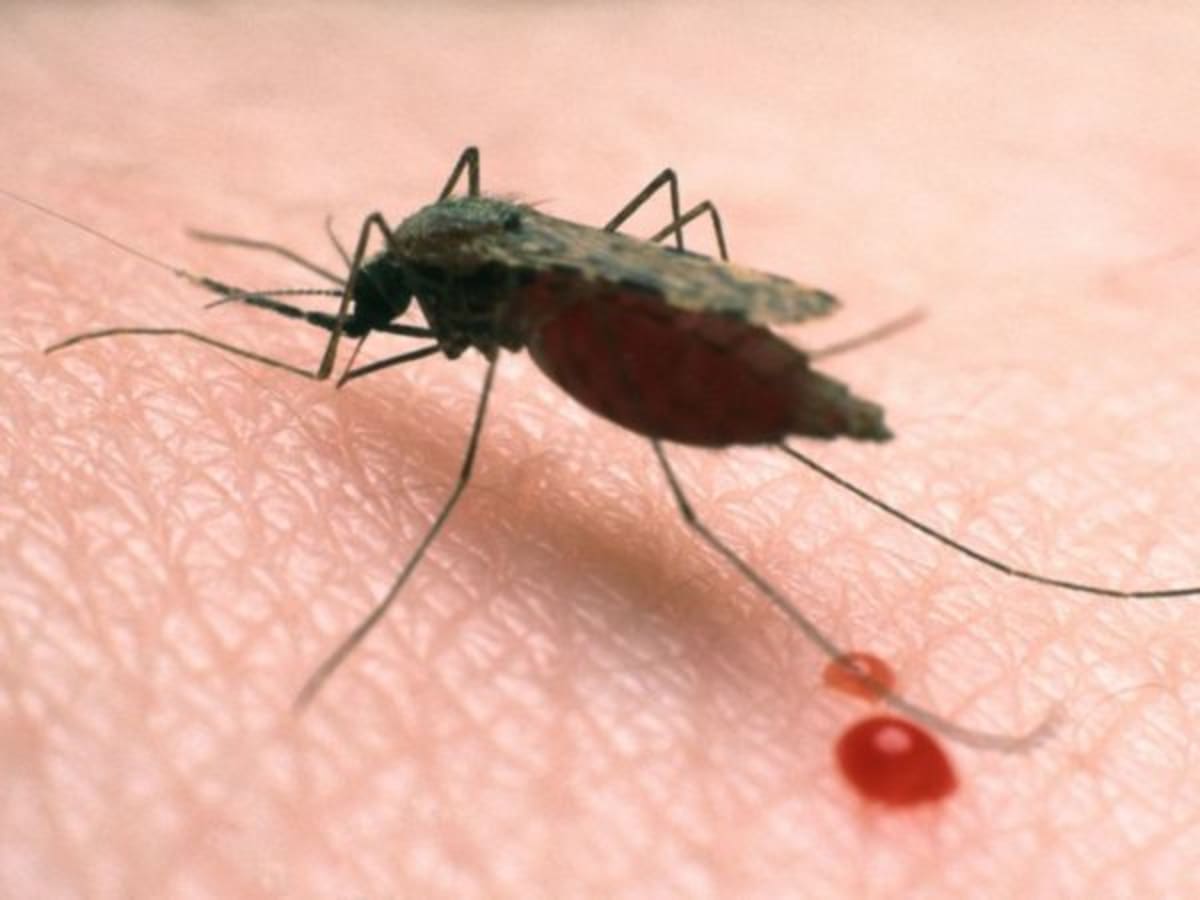
Benue State has cut its malaria prevalence by more than a third since 2021, dropping from 17.6% to 11% through a combination of free treatment, preventive medication, and community engagement. The state is now preparing an ambitious 2026 campaign targeting children under five, the group most at risk of dying from the mosquito-borne disease.
Dr. Paul Ogwuche, Benue's Commissioner for Health, announced the upcoming Seasonal Malaria Chemoprevention (SMC) campaign during a stakeholders workshop in Makurdi. SMC delivers preventive medication to young children during peak malaria transmission seasons, a strategy proven to dramatically reduce illness and death.
"Malaria remains one of the most prevalent infectious diseases in Benue State, and it continues to threaten the lives of our most vulnerable populations," Dr. Ogwuche said. But the numbers tell a story of remarkable progress.
The turnaround came through multiple coordinated efforts. Benue distributed insecticide-treated mosquito nets across all 23 local government areas between 2023 and 2024, with another mass distribution planned for 2026. The state now offers free malaria testing and treatment at 434 health facilities spanning all 276 wards.
Pregnant women receive intermittent preventive treatment, protecting both mothers and unborn children. Community health workers conduct ongoing dialogues promoting mosquito net use and environmental sanitation, while traditional and religious leaders help build trust and ownership of health programs.
The Ripple Effect
The progress in Benue shows what's possible when governments invest in proven solutions and work with communities rather than imposing top-down mandates.
By engaging traditional and religious leaders, Benue turned malaria prevention into a community effort rather than a government program. Parents are more likely to use treated nets and seek preventive treatment when trusted local voices champion the cause.
The state government committed to full funding support for the 2026 campaign, including counterpart funding to match international partners. Dr. Ogwuche praised implementing partner PATH for its "invaluable" contributions while emphasizing that sustainable progress requires local investment, not just external aid.
Governor Hyacinth Alia has prioritized health sector funding, enabling the expansion from basic treatment to comprehensive prevention. That shift from reactive to proactive care is already saving young lives across Benue's 23 local government areas.
Dr. Ogwuche called on all stakeholders to help design a "robust, result-driven strategy" for the upcoming SMC campaign. With malaria prevalence nearly cut in half in four years, Benue is proving that one of Africa's deadliest childhood diseases can be beaten with sustained effort, community partnership, and political will.
Thousands of Benue children will sleep safer in 2026 because their state chose to invest in life.
Based on reporting by Vanguard Nigeria
This story was written by BrightWire based on verified news reports.
Spread the positivity!
Share this good news with someone who needs it