Berkeley Lab Speeds Up Scientific Discovery 100x in Seconds
Scientists can now transform massive X-ray datasets into 3D images in seconds instead of hours, thanks to a real-time connection between two major research facilities. This breakthrough is already helping researchers study everything from fuel cells to bird feathers with unprecedented speed.
Imagine waiting days to see whether the photo you just snapped turned out okay. That's exactly how scientists felt after running complex X-ray experiments at Berkeley Lab's Advanced Light Source, processing their massive datasets only after hours of waiting.
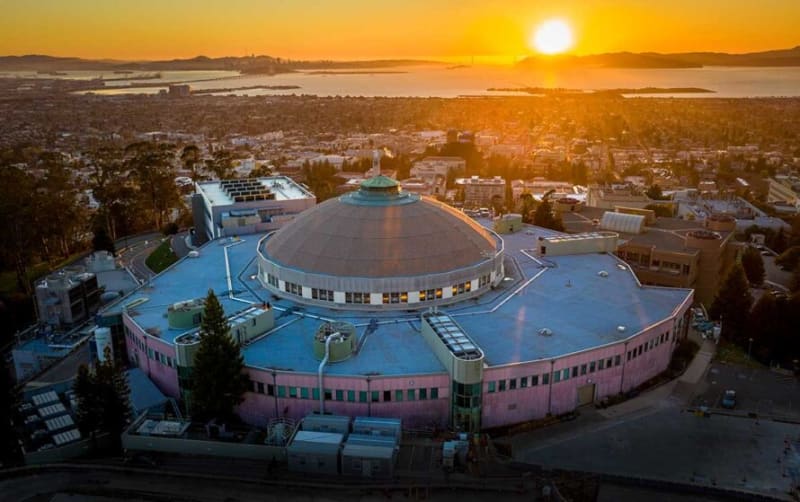
Not anymore. A groundbreaking connection between the Advanced Light Source and the National Energy Research Scientific Computing Center now processes these enormous datasets 100 times faster than before, delivering 3D images to researchers within 10 seconds.
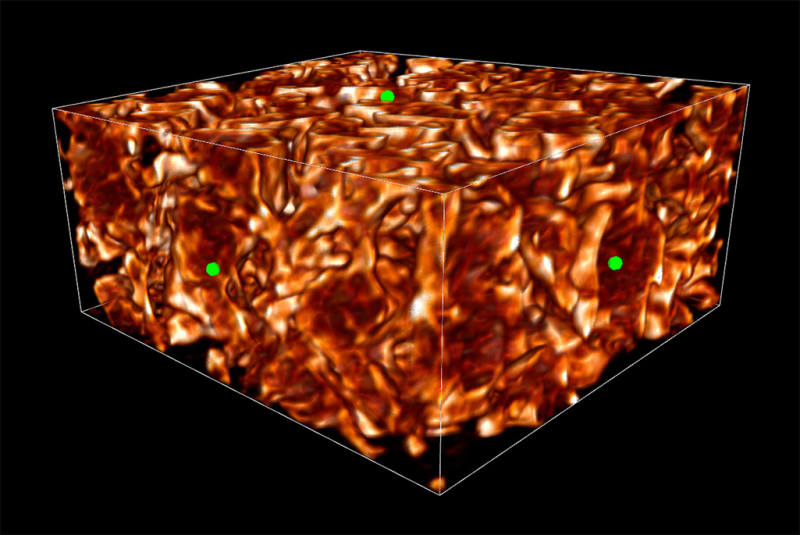
Here's what changed. Scientists use a technique called microcomputed tomography to peer inside materials without cutting them open, creating detailed 3D images from X-ray scans. These scans generate datasets of 50 gigabytes or more, equivalent to storing 10,000 high-resolution photos.
Previously, researchers had to wait tens of minutes (or longer) after each scan to see their results. By the time they discovered a problem or wanted to adjust their approach, precious research time had slipped away.
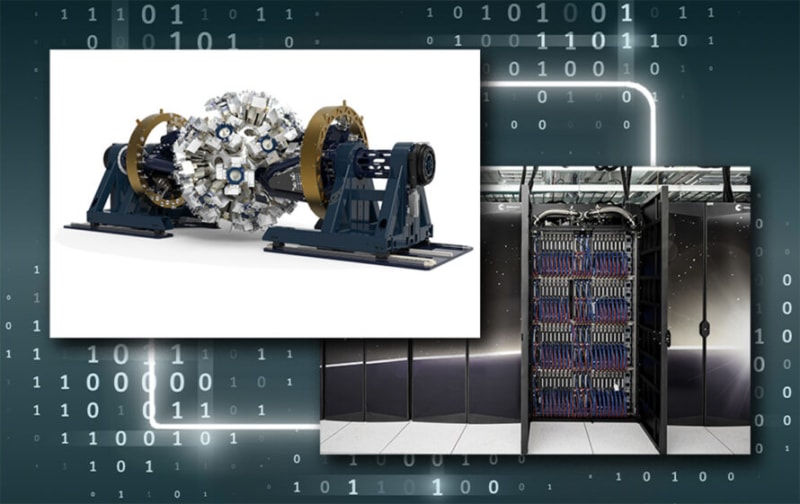
The new system streams data directly to powerful supercomputers while the scan is happening. Multiple high-powered graphics processors crunch the numbers in real time, and scientists can view their 3D reconstructions almost instantly.
Why This Inspires
This two-year collaborative project transforms how science gets done. Scientists from Georgia Tech's Bhamla Lab recently used the system to study bird feathers, investigating how they achieve their remarkable combination of strength, lightness, flexibility, and insulation.
"Without any prior experience working with a supercomputer, users can use one at the push of a button," said Sam Welborn, who helped develop the system as a postdoctoral fellow. The technology has already helped researchers image the intricate insides of fuel cells, batteries, and critical materials.
The connection works through the Energy Sciences Network, the Department of Energy's high-performance research network. This "superfacility" approach links experimental equipment with computing power, supercharging scientific productivity across disciplines.
Staff scientist Dula Parkinson explains the impact: "This significantly improves experimentation efficiency and enables more effective use of limited beamtime." When research facilities are in high demand, every minute counts.
The system is now in daily use at Berkeley Lab and serves as a model for other Department of Energy light sources nationwide. Researchers are already working to combine this speed with artificial intelligence tools for automated image analysis, promising even faster discoveries ahead.
From studying how worms move in clusters to understanding flamingo feeding strategies, scientists are using this technology to unlock nature's secrets and apply those principles to engineer new materials and tools that benefit everyone.
More Images
Based on reporting by Google: scientific discovery
This story was written by BrightWire based on verified news reports.
Spread the positivity!
Share this good news with someone who needs it