Berkeley Lab's Digital Twins Speed Up Scientific Discovery
Scientists at Berkeley Lab are using AI-powered "digital twins" to slash the time between discovery and real-world solutions. These living virtual models predict outcomes and test changes without risky, costly experiments.
📺 Watch the full story above
Imagine being able to test a scientific breakthrough before building it, predict how it will perform years from now, and fix problems that haven't even happened yet.
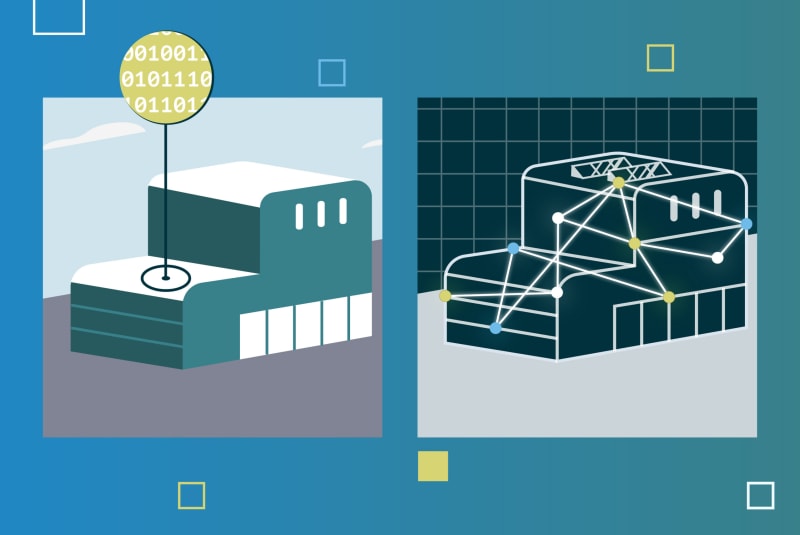
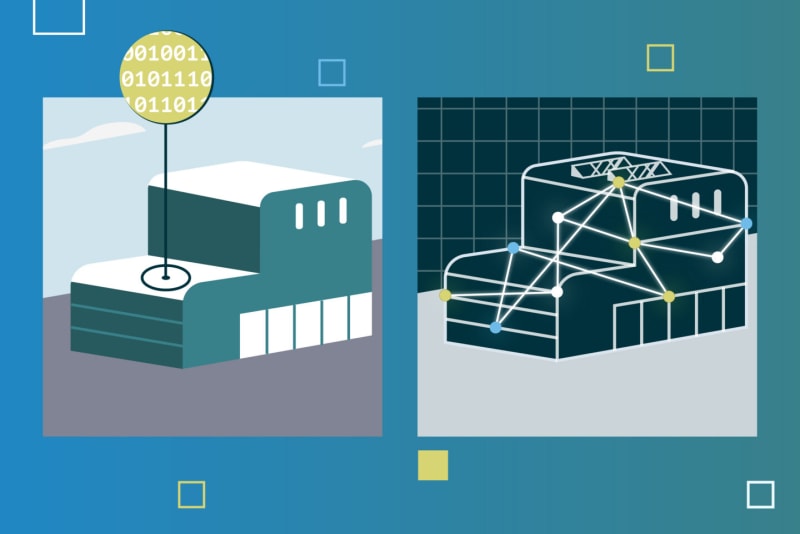
That's exactly what researchers at Lawrence Berkeley National Laboratory are doing with digital twins. These aren't just computer models or fancy simulations. They're living, breathing virtual copies of real systems that update in real time.
Think of it like the difference between a paper map and GPS. A paper map shows you where roads are, but it can't tell you about the traffic jam ahead or suggest a faster route. GPS combines your location with live traffic data and past patterns to guide you around problems before you hit them.
Digital twins work the same way. They pull in constant streams of sensor data from the actual system they're modeling, whether that's a particle accelerator, a building's energy system, or a bioreactor creating clean fuel. This living connection lets scientists see what's happening right now and predict what will happen next.
The real magic happens when they add artificial intelligence to the mix. Berkeley Lab teams are feeding these digital twins historical data and physics-based rules, teaching them to spot patterns humans might miss. The result? Scientists can test changes virtually, explore different scenarios, and optimize performance without touching the real equipment.
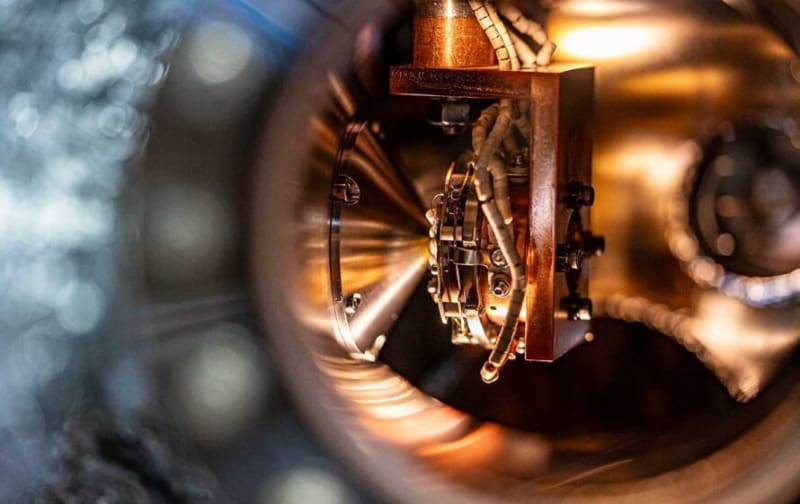
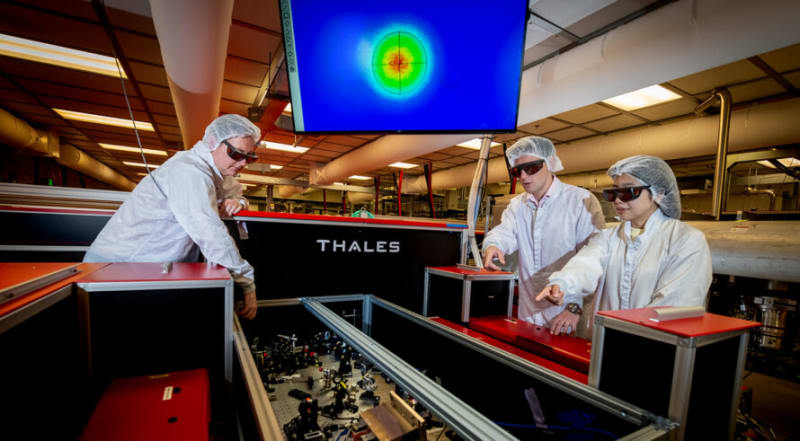
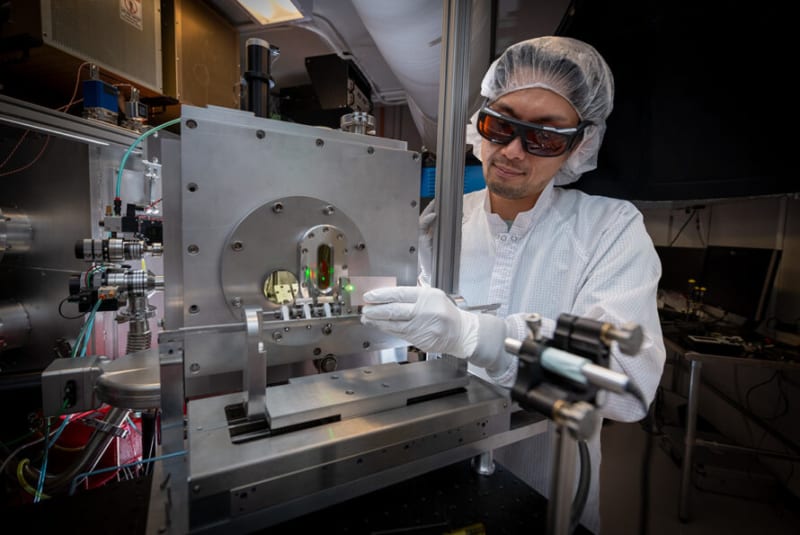
The applications span nearly every field of science. Researchers are using digital twins to fine-tune lasers and particle accelerators that need perfect alignment. They're helping buildings balance energy efficiency with human comfort. They're even protecting delicate cells in bioreactors while boosting biofuel production.
The Ripple Effect
The impact reaches far beyond individual labs. Every experiment that can be tested virtually first means fewer costly trial-and-error attempts in the real world. Every pattern uncovered means faster breakthroughs. Every prediction that proves accurate means scientists can focus their time and resources on solutions that actually work.
This technology is already accelerating discoveries in chemistry and materials science. It's making particle accelerators more powerful and efficient. It's helping automation systems learn and adapt faster than ever before.
The timeline from "interesting idea" to "life-changing solution" just got dramatically shorter, and that means real progress on the challenges that matter most arrives sooner.
More Images
Based on reporting by Google: scientific discovery
This story was written by BrightWire based on verified news reports.
Spread the positivity!
Share this good news with someone who needs it