Berlin Band Unites Iranian and Israeli Musicians
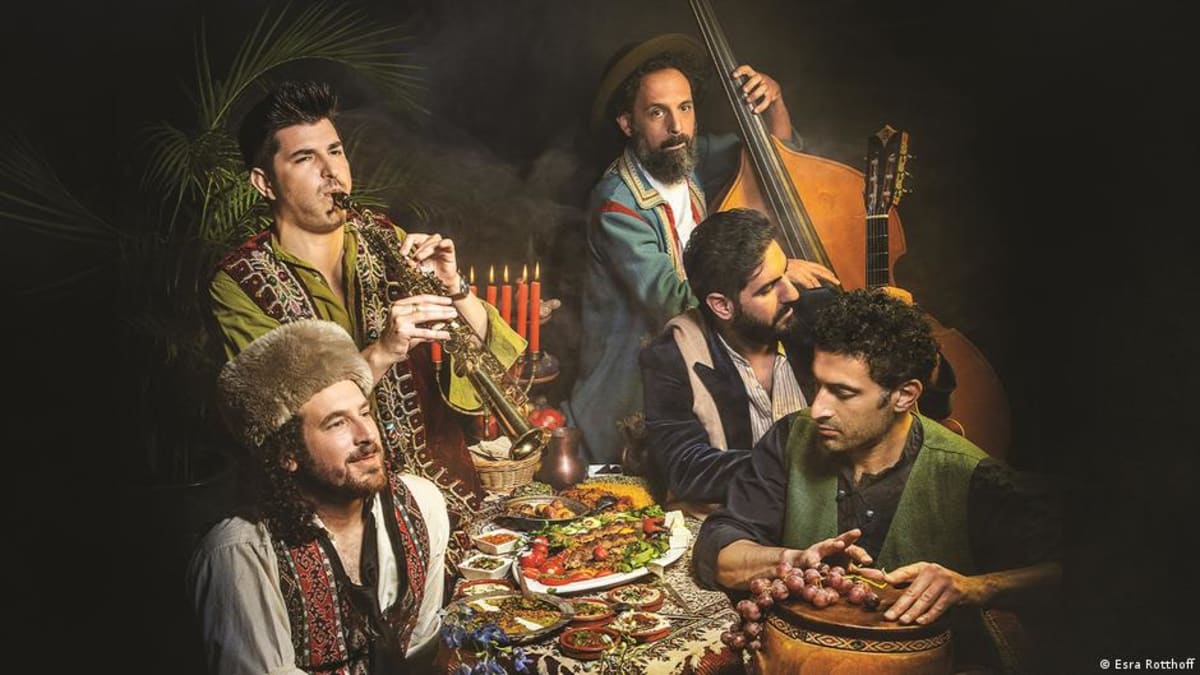
Despite decades of political tension between their countries, musicians from Iran and Israel are creating beautiful music together in Berlin. Sistanagila proves that cultural bridges can exist even when governments clash.
When Babak Shafieian received hateful rhetoric from Iran's president denying the Holocaust 15 years ago, he didn't stay silent. The Iranian musician living in Berlin decided to respond with something more powerful than words: music that brings Iranians and Israelis together.
Shafieian reached out to Israeli composer Yuval Halpern with a simple idea. Create an ensemble where musicians from both countries could show the world that their people aren't enemies.
Halpern admits he was cautious at first. "I thought he might be a terrorist or somebody who wants to kidnap me," he told reporters. But after researching Shafieian online, he agreed to meet at a hummus restaurant in Berlin's Neukölln district.
That meeting sparked Sistanagila, a musical group whose name playfully combines "Sistan" (an Iranian province) with "Nagila" (from the famous Jewish song "Hava Nagila"). The band blends Persian classical music, Jewish chants, Klezmer melodies, jazz, and even heavy metal influences into something entirely new.
The musicians discovered surprising connections between their musical traditions. Sephardic music shares oriental sounds and Arabic keys with Persian melodies, creating natural harmony between the cultures.
The Ripple Effect
Sistanagila represents something bigger than one band. It's part of a growing movement of artistic, political, and social initiatives building bridges between Iranian and Israeli people.
"We don't sing songs against a regime or for a country," Halpern explains. "We make music together. We want to create something beautiful together. And that's the peace project."
The band members hold diverse political opinions and sometimes disagree. But they unite around one core belief: the Iranian and Israeli people can be friends, even when their governments cannot.
As tensions escalate in the Middle East, Shafieian worries about ordinary Iranians left alone with their regime. But he sees hope in projects like his that prove collaboration is possible.
"Sistanagila shows a perspective for the future that Iranians and Israelis can be friends," Shafieian says, imagining a day when both countries develop extensive peaceful relations.
More Images

Based on reporting by DW News
This story was written by BrightWire based on verified news reports.
Spread the positivity!
Share this good news with someone who needs it