Berlin Saves US Doctor With Advanced Ebola Care
A US doctor infected with Ebola in Congo received lifesaving treatment at Berlin's Charite hospital, where survival rates are four times better than in outbreak zones. Germany's specialized isolation units and expert medical teams are giving patients fighting the world's deadliest diseases a fighting chance.
When a US doctor contracted Ebola while working in the Democratic Republic of Congo, Germany became an unexpected lifeline.
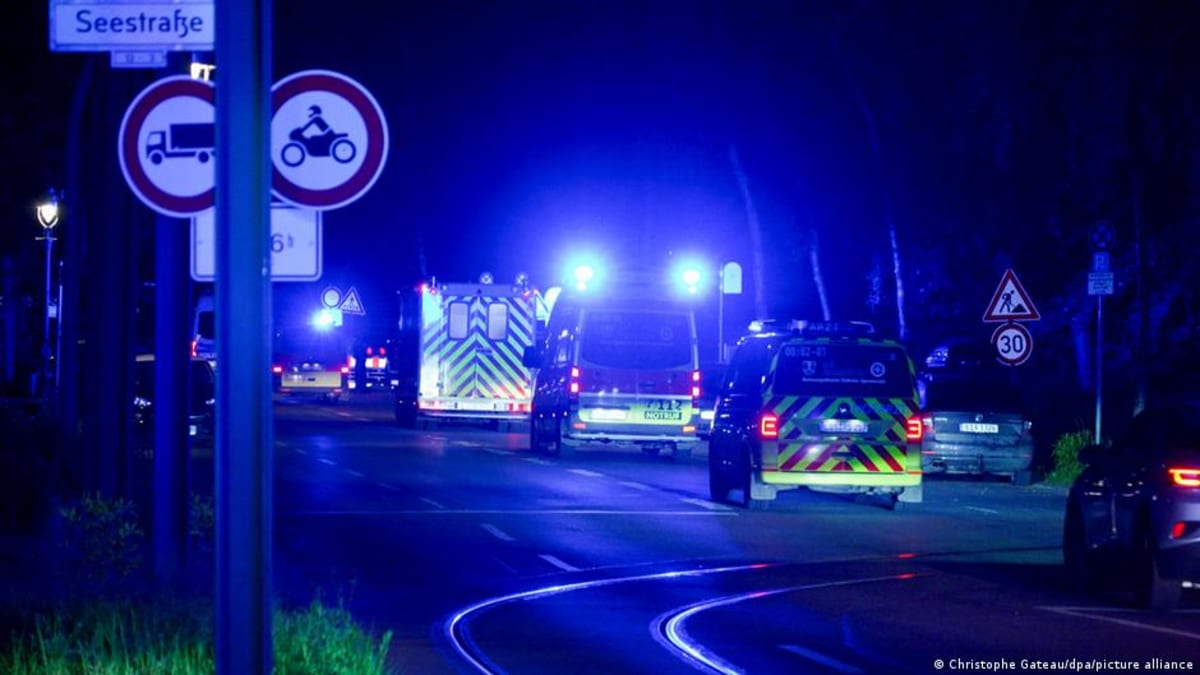
The patient arrived at Berlin's Charite university hospital on May 20, 2026, where survival rates for Ebola patients reach 80%. That's a dramatic improvement from the 50% mortality rates seen in West African outbreak zones during the 2014-2015 epidemic.
US authorities specifically requested Germany's help because of geography and expertise. The shorter flight to Europe meant less time in a cramped evacuation plane with limited medical equipment, giving the critically ill doctor better odds of survival.
Berlin's Charite hospital houses Germany's largest high-level isolation unit, a self-contained medical facility that can treat up to 20 highly infectious patients without disrupting regular hospital operations. The unit combines cutting-edge intensive care with infectious disease treatment, something no other facility in the country offers.
Inside these sealed units, safety measures read like science fiction. Medical staff wear protective suits with independent air supplies while treating patients in negative pressure rooms with advanced filtration systems. All air leaving the unit gets filtered, wastewater is neutralized, and contaminated materials are disposed of separately from regular hospital waste.
Germany maintains seven of these specialized facilities as part of the STAKOB network, coordinated by the Robert Koch Institute. Staff train constantly on emergency procedures, and many have real-world experience from previous outbreak responses in West Africa.
"Even for very experienced doctors, it's something extraordinary," said Thomas Pärisch, CEO of Pandemic Shield consultancy. Every evacuation case involves enormous logistical and medical coordination, but the payoff is clear in the survival statistics.
The Ripple Effect
Germany's investment in pandemic preparedness isn't just saving individual lives. By developing world-class isolation facilities and training expert teams, the country has built international networks that strengthen global health security. When the next outbreak emerges, these partnerships and protocols could help contain it faster.
The expertise gained from treating rare cases also advances medical knowledge about highly infectious diseases. Each patient treated in these state-of-the-art facilities provides doctors with insights that can improve care for future patients, both in high-tech hospitals and in resource-limited settings where outbreaks typically occur.
Germany has earned a strong international reputation through this work, becoming a trusted partner when medical emergencies cross borders. That trust saves precious time when every minute counts.
One doctor's journey from Congo to Berlin shows what's possible when countries invest in being ready for the worst while hoping for the best.
Based on reporting by Google News - Health
This story was written by BrightWire based on verified news reports.
Spread the positivity!
Share this good news with someone who needs it