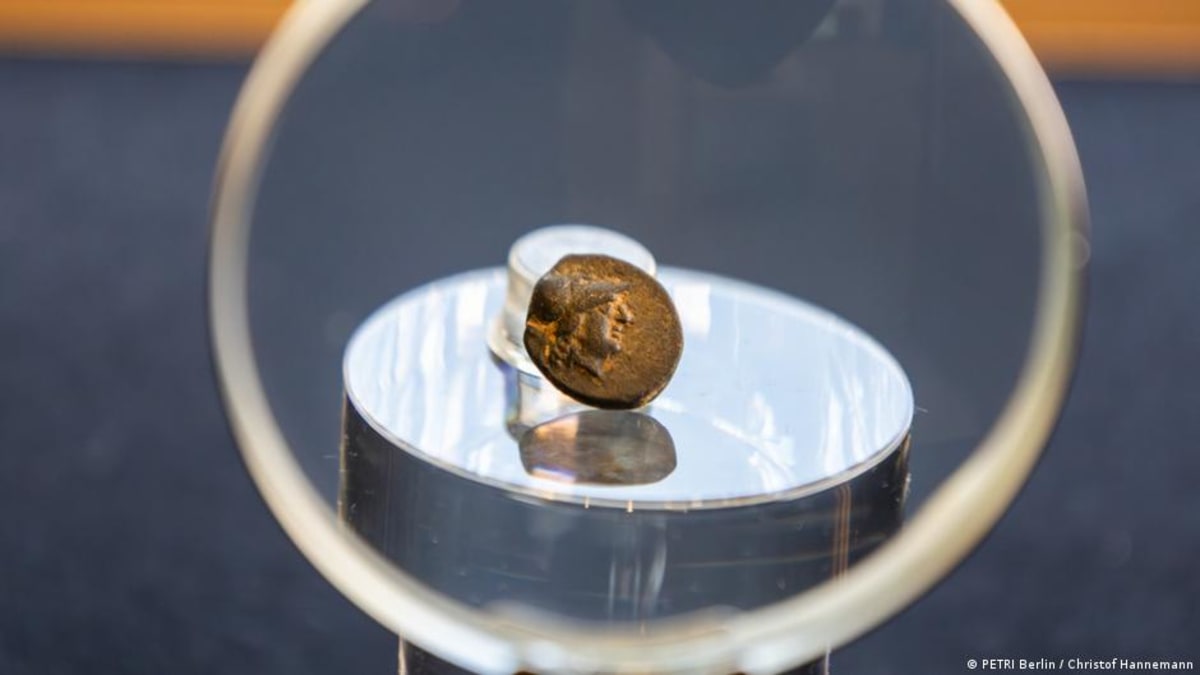
Berlin Teen Finds First Ancient Greek Coin in Germany
A curious 13-year-old walking through Berlin discovered a 2,300-year-old Greek coin from ancient Troy, making archaeological history. The tiny bronze artifact is opening new questions about connections between ancient Greece and early Germanic tribes.
A middle schooler's curiosity just rewrote German archaeological history.
While walking through Berlin's Spandau neighborhood, a 13-year-old found a small bronze coin lying on the ground. Instead of pocketing it and moving on, he did something remarkable: he brought it to experts at the Archaeology Lab PETRI Berlin during a school visit.
"This young boy realized he had found something interesting and he wanted to know more about it," archaeologist Jens Henker told reporters. What started as a student's question turned into a discovery that would stun experts across Germany.
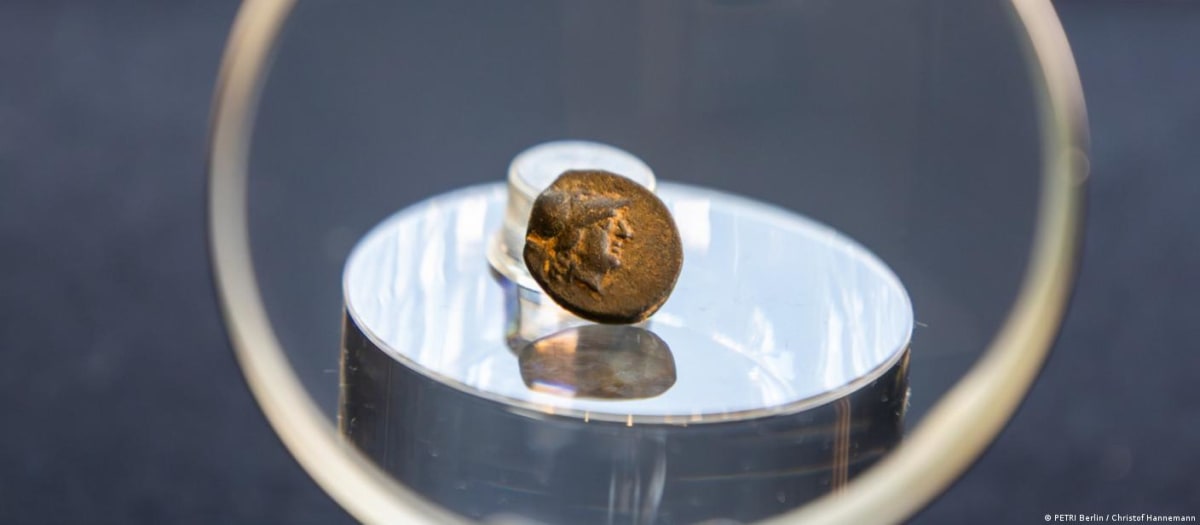
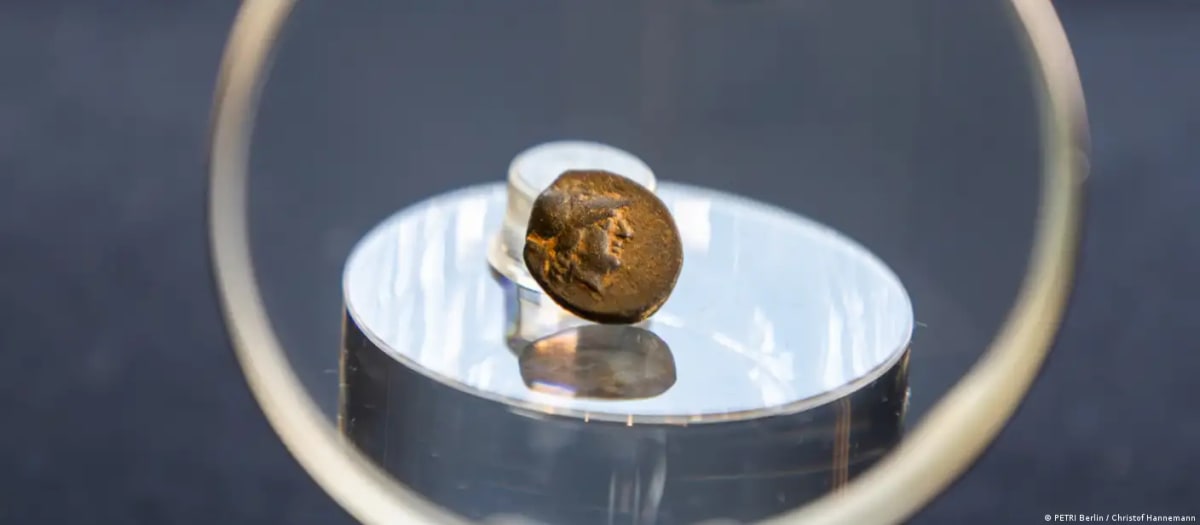
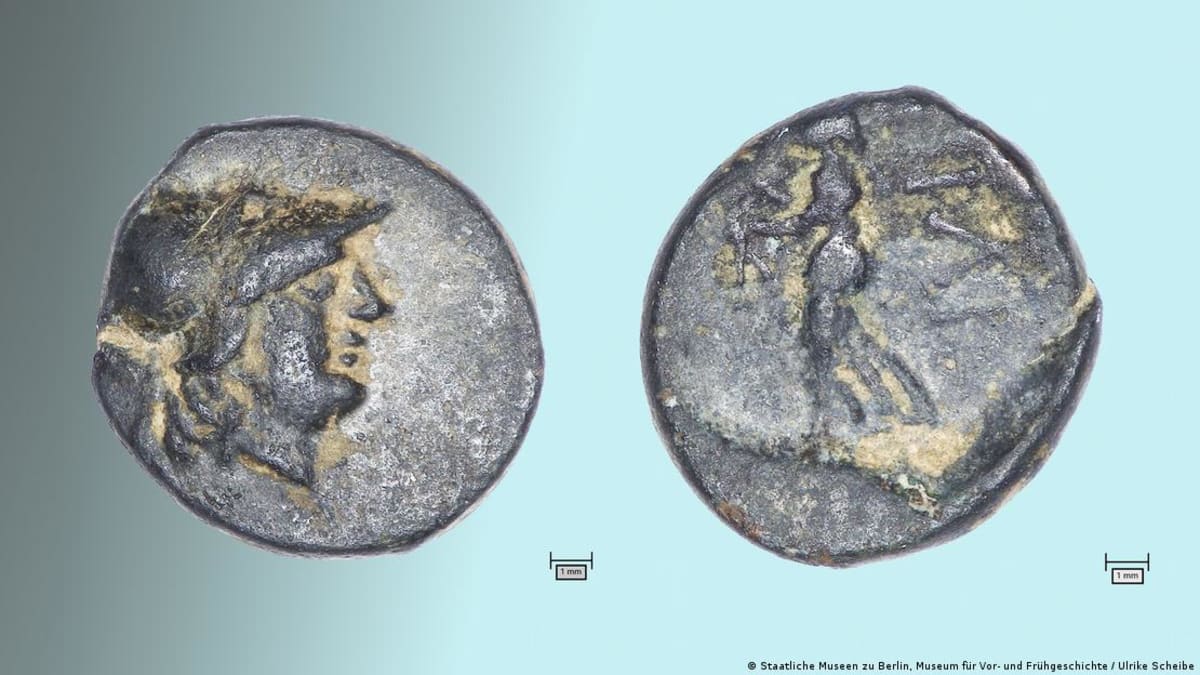
The coin traveled from specialist to specialist before landing at the Münzkabinett Berlin, home to one of the world's most significant coin collections. The verdict? The tiny artifact dates back 2,300 years to the ancient Greek city of Troy, making it the first item from Greek antiquity ever discovered in Berlin.
The bronze piece weighs just 7 grams and measures half an inch across. Both sides depict the warrior goddess Athena, one showing her in a Corinthian helmet, the other with a spear and spindle. Experts dated it to between 281 and 261 BC during the Hellenistic period.
The discovery site made the find even more intriguing. The teen showed Henker the exact spot on a map, which matched a location Berlin's Museum for Pre and Early History had been monitoring since the 1950s. Over decades, researchers have found ceramic fragments, Slavonic-era knives, and burnt human bones there, suggesting an ancient burial ground.
Why This Inspires
This story reminds us that curiosity and asking questions can lead to extraordinary discoveries. A young person's willingness to seek answers instead of walking past something unusual has given archaeologists new clues about ancient trade networks and cultural connections.
The coin likely served as a grave gift, possibly a souvenir from someone who traveled to Greece and back. Ancient Greeks considered Germanic tribes barbarians and rarely wrote about them, while Germanic peoples had no written language at the time. Physical discoveries like this coin are the only way to piece together these lost connections.
"If this coin could tell its story, it would probably be a crazy one with a lot in it," Henker noted. The artifact now sits on display at Berlin's PETRI museum, inspiring other young visitors to stay curious about the world beneath their feet.
One teenager's question turned a simple walk into a window to the ancient world.
More Images

Based on reporting by Google: ancient artifact found
This story was written by BrightWire based on verified news reports.
Spread the positivity!
Share this good news with someone who needs it
%2Ffile%2Fattachments%2F2997%2F36Thulamela_Archaeological_Research_Field_Trip_Sept_2025_035_372816.jpg)