Big Tech Tax Could Fund a Safer Internet for Kids
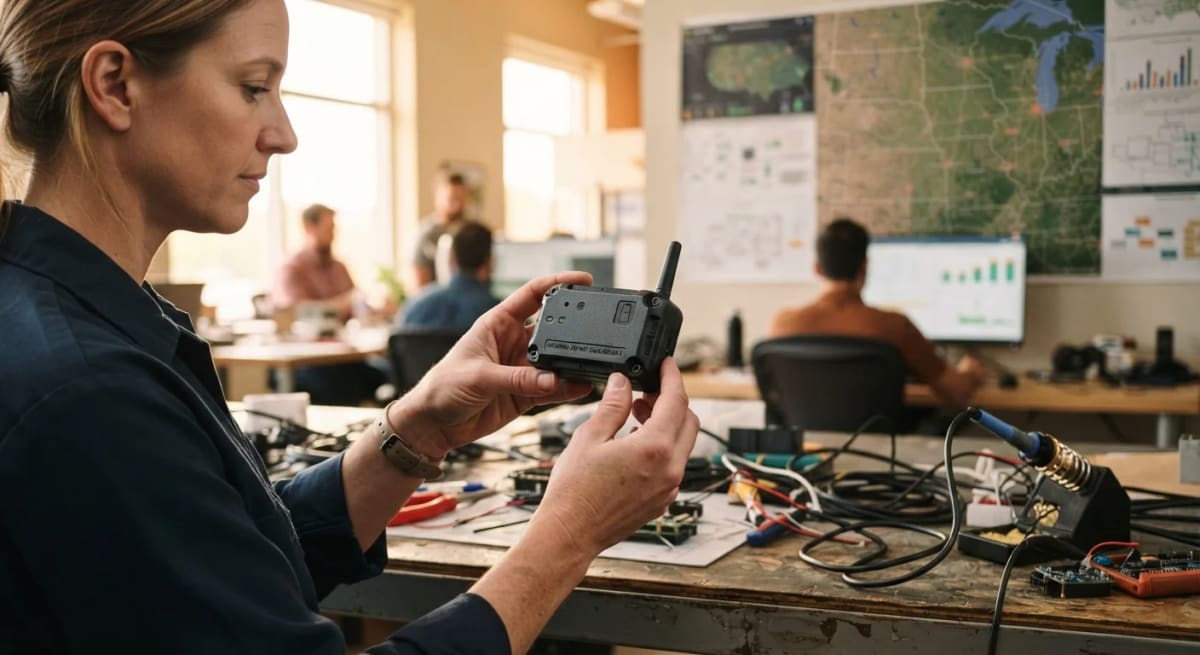
A new proposal suggests taxing major tech companies to create nonprofit, ad-free online spaces designed specifically for children. Instead of just blocking kids from social media, this approach would build better alternatives they actually want to use.
What if instead of banning kids from the internet, we built them a better one?
Tech policy expert Adi Robertson is proposing something radical: tax Big Tech companies and use that money to create a "children's public internet." The idea works like public television did for past generations, funding nonprofit online spaces where kids can connect, learn, and play without algorithms designed to addict them.
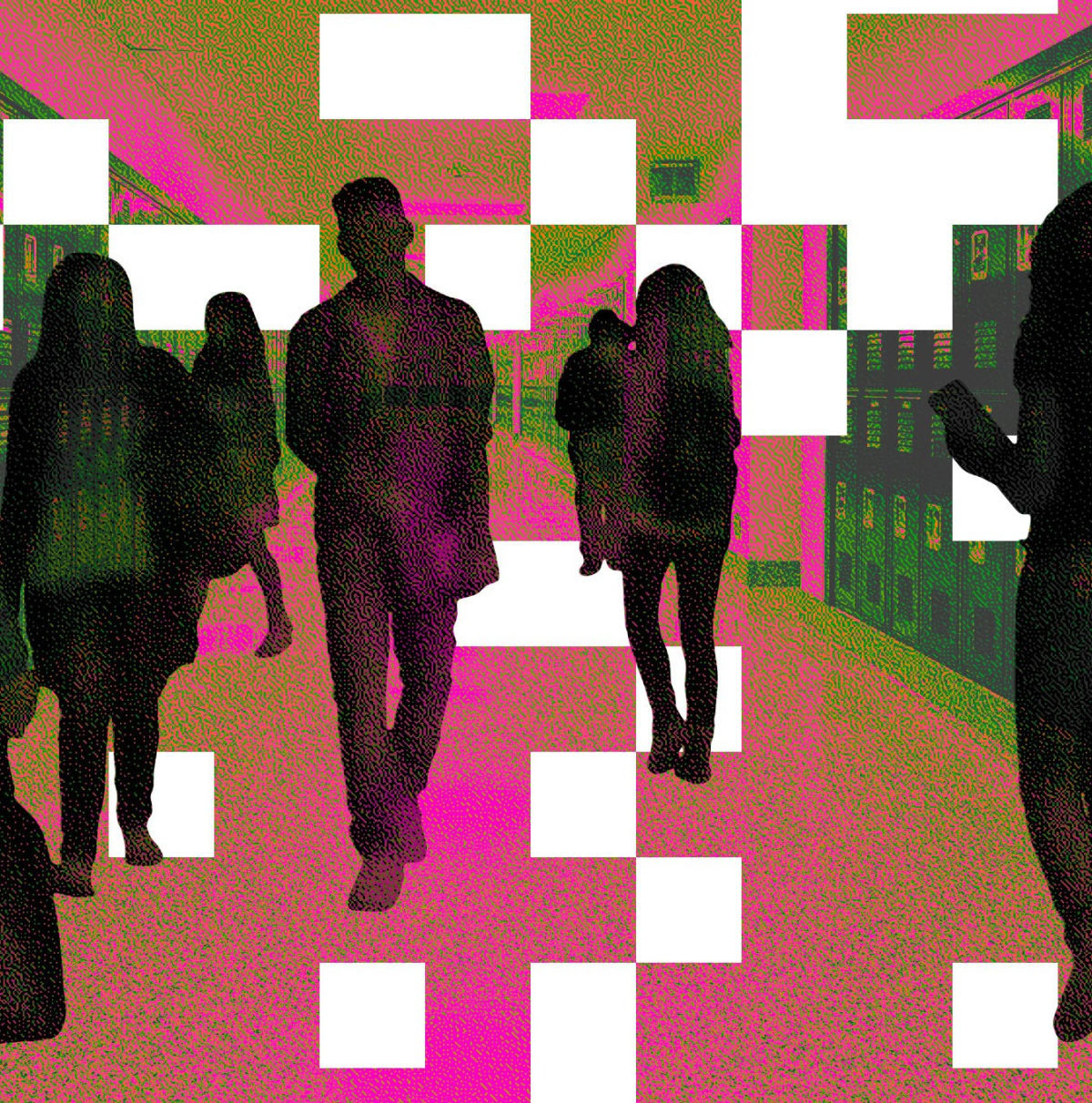
The timing couldn't be better. Over half of Americans now support banning social media for anyone under 16, and countries worldwide are implementing strict age restrictions. But those bans aren't working. Australia's teen social media ban shows over 80 percent of kids still find ways around it.
Robertson's vision includes community-run social networks, ad-free educational sites, open-source gaming platforms, and local family activity portals. The key requirement? They serve children and don't operate for profit.
The proposal addresses what nearly everyone agrees is the real problem: companies constantly choosing engagement and profit over kids' wellbeing. Court filings and company leaks show tech giants know their platforms can harm young users, but the business model depends on keeping them hooked.
Why This Inspires
This isn't about taking things away. It's about giving families genuine alternatives that don't treat children as products to monetize.
Libraries could run moderated social spaces for local teens. Schools could partner on age verification systems that actually protect privacy. Parent networks could exist outside platforms that prioritize ad revenue over human connection.
The approach flips traditional internet regulation on its head. Instead of punishing companies or blocking access, it expands options with services that are objectively better, not just morally superior but functionally superior.
Robertson compares it to the 20th century push for children's public television, which created educational programming that companies focused on profit wouldn't make. Public Broadcasting Service and similar initiatives proved government-funded media could serve kids better than purely commercial alternatives.
The challenges are real. Funding mechanisms would be complicated. Quality standards would need careful thought. But compared to the privacy nightmares of age verification systems or the futility of enforcement, building something positive looks increasingly practical.
Right now, we're asking kids to either navigate spaces designed to exploit them or stay offline entirely. A children's public internet would finally offer door number three: online spaces built for their benefit, not someone else's bottom line.
More Images

Based on reporting by The Verge
This story was written by BrightWire based on verified news reports.
Spread the positivity!
Share this good news with someone who needs it