Bill Gates: Robots Will Transform Work and Save Lives
The tech pioneer says recent robotics breakthroughs will help people work safer and live better. Five companies are already making it happen.
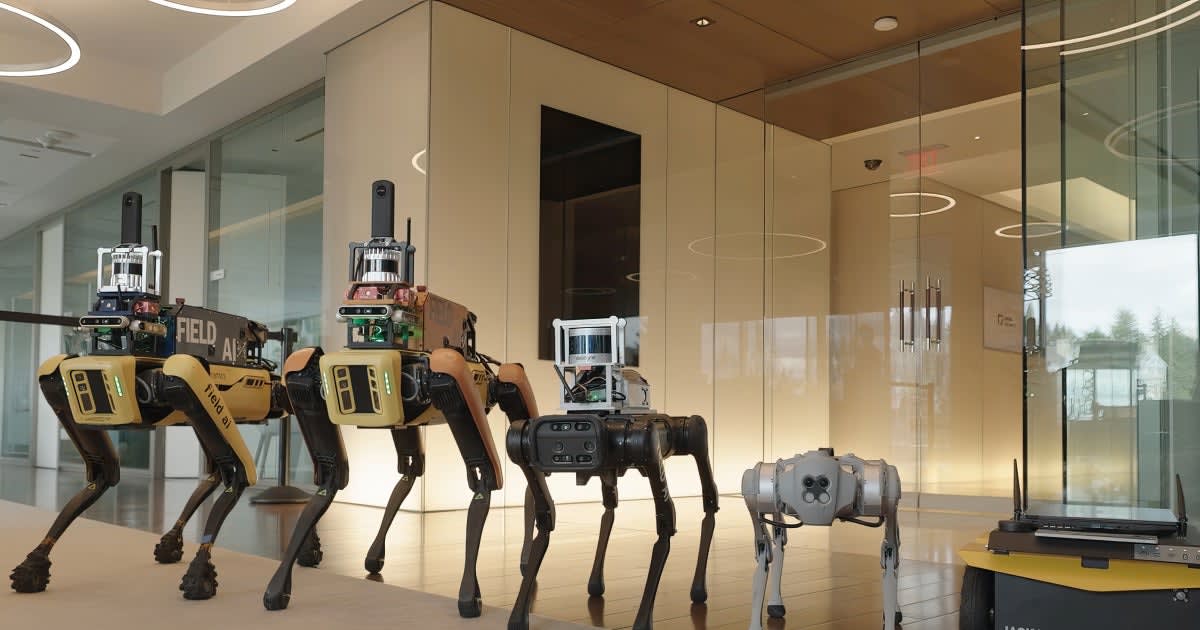
For decades, teaching computers to think seemed harder than teaching robots to move like humans. Now artificial intelligence has caught up, but getting robots to walk, grip, and work like we do remains surprisingly difficult.
Bill Gates says that's about to change. The Microsoft founder believes we're on the edge of a robotics revolution that will make dangerous jobs safer, solve labor shortages, and even help people feel less isolated.
The potential uses span nearly every part of life. During natural disasters, robots could rescue people without putting first responders in danger. On farms, they could pull weeds by hand instead of spraying toxic chemicals. In factories, they could handle heavy loads that strain human workers.
Gates addresses the elephant in the room: yes, robots might replace some jobs. But he argues they're more likely to take over work people don't want to do anyway. With labor shortages across many industries, robots could fill gaps rather than push people out.
Oregon's Agility Robotics created Digit, a human-sized robot designed for warehouse work. It carries heavier loads than people and reaches higher shelves without ladders. The key? It's built to work alongside humans in spaces designed for us.
Israel's Tevel took a different approach with flying robots that pick apples and stone fruit. Since labor costs eat up 40 percent of farm budgets in wealthy countries, and workers can only harvest during daylight, farms often waste unpicked fruit. Tevel's autonomous drones work around the clock.
Why This Inspires
Gates points out something easy to miss in debates about automation. Right now, people work backbreaking jobs in extreme heat, handle dangerous materials, and risk their lives in emergencies. Robots doing this work isn't about replacing humans. It's about protecting them.
The real promise goes beyond efficiency. Better prosthetic arms could restore independence to amputees. Healthcare robots could care for patients when human contact might spread disease. Construction robots could build homes faster as housing shortages strain communities.
What looked like science fiction a decade ago is becoming real in workshops across America and around the world. These aren't just machines. They're tools that could make every person safer, healthier, and more capable than ever before.
More Images



Based on reporting by Google: robotics innovation
This story was written by BrightWire based on verified news reports.
Spread the positivity!
Share this good news with someone who needs it