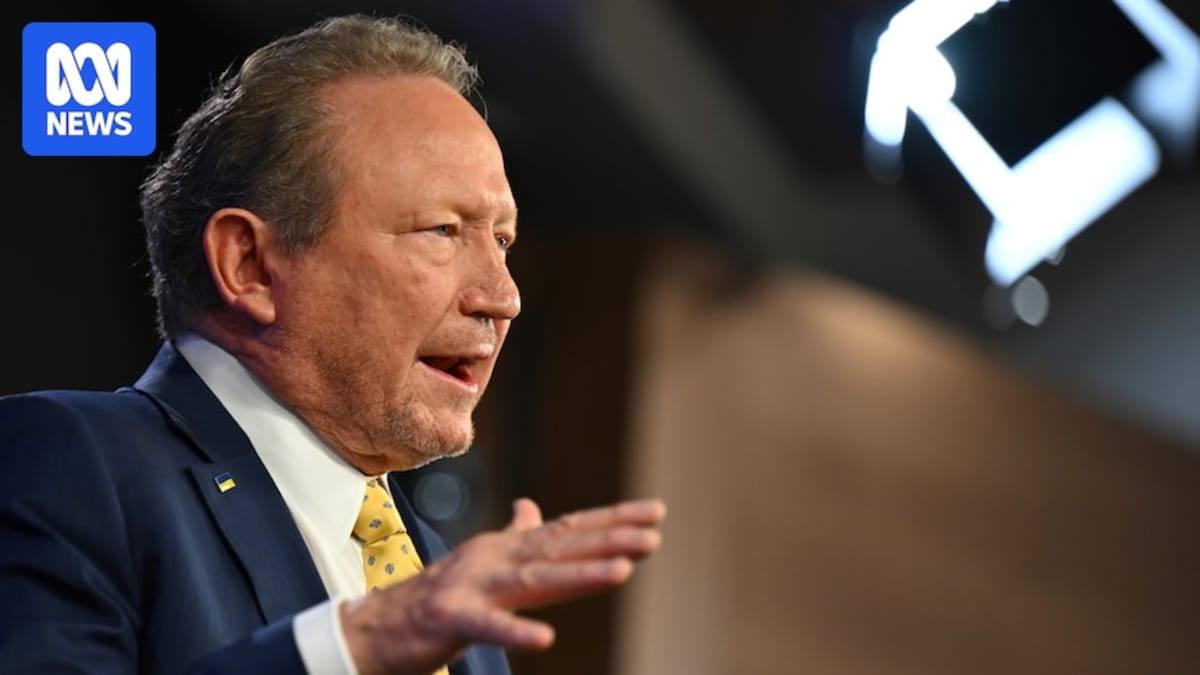
Billionaire Takes Meta to Court Over Scam Ads
Australian mining billionaire Andrew Forrest is challenging Meta in a groundbreaking lawsuit that could change how tech companies handle fraud on their platforms. His legal team argues that Meta's AI tools actively helped create and spread thousands of fake ads using his face to trick people into cryptocurrency scams.
A billionaire is fighting back against scam ads, and his lawsuit could protect millions of social media users from fraud.
Andrew Forrest, an Australian mining magnate, is asking a US federal court to hold Meta accountable for thousands of fake advertisements that have used his image without permission since 2019. The scam ads falsely showed Forrest promoting cryptocurrency schemes and other fraudulent financial products, tricking thousands of victims.
His legal team is taking a new approach that could reshape how social media companies handle advertising. They argue that Meta cannot hide behind Section 230 of the Communications Decency Act, a law that typically protects internet companies from being responsible for user-generated content.
The key difference? Forrest's lawyers say Meta's artificial intelligence tools did more than just host the ads. They claim Meta's AI actively optimized, personalized, and distributed the fraudulent advertisements, making the company a participant rather than a neutral platform.
"This is the first case brought in any court, but in particular in California, where a verdict can resonate that says Facebook was never intended to get the benefit of this immunity for their advertising business," said Simon Clarke, Forrest's attorney.
A recent Los Angeles jury verdict supports this strategy. Earlier this year, jurors found Meta and YouTube liable for harming a young woman through the addictive design of their platforms, focusing on how the companies built their products rather than just the content users posted.
The Ripple Effect
This case goes beyond one billionaire's frustration with fake ads. If successful, it could establish legal precedent that makes social media companies more accountable for preventing fraud on their platforms.
The lawsuit challenges whether tech giants can profit from advertising systems while claiming no responsibility for the harm those systems cause. For years, everyday users have complained about scam ads on Facebook and Instagram, often reporting them with little visible result.
Forrest had previously filed criminal charges against Meta in an Australian court in 2022, but those charges were discontinued in 2024. This new civil case in Silicon Valley takes a different legal path that could prove more effective.
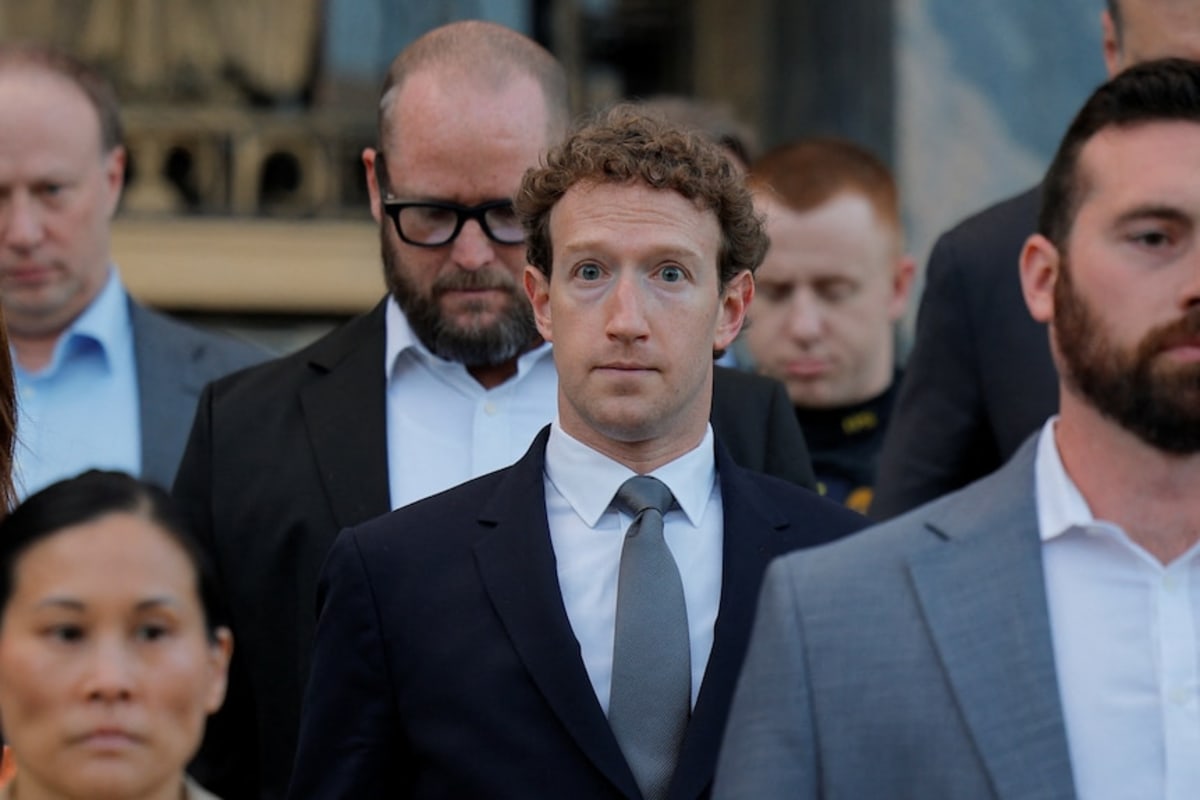
Meta maintains that the fraudulent ads were not its doing and that it made reasonable efforts to preserve evidence and combat scams. The judge is expected to rule on Forrest's motion in the coming weeks.
If the court sides with Forrest, it could force social media companies to take stronger action against fraud and give victims new ways to seek justice when scammers abuse these platforms.
More Images
Based on reporting by ABC Australia
This story was written by BrightWire based on verified news reports.
Spread the positivity!
Share this good news with someone who needs it