Biochar Locks Carbon in Soil for Thousands of Years
Scientists confirm that biochar, a carbon-rich material made from waste, can fight climate change while improving soil, cleaning water, and boosting crop yields. The technology turns agricultural waste into a powerful tool that stores carbon for millennia.
What if the solution to climate change was hiding in farm waste all along?
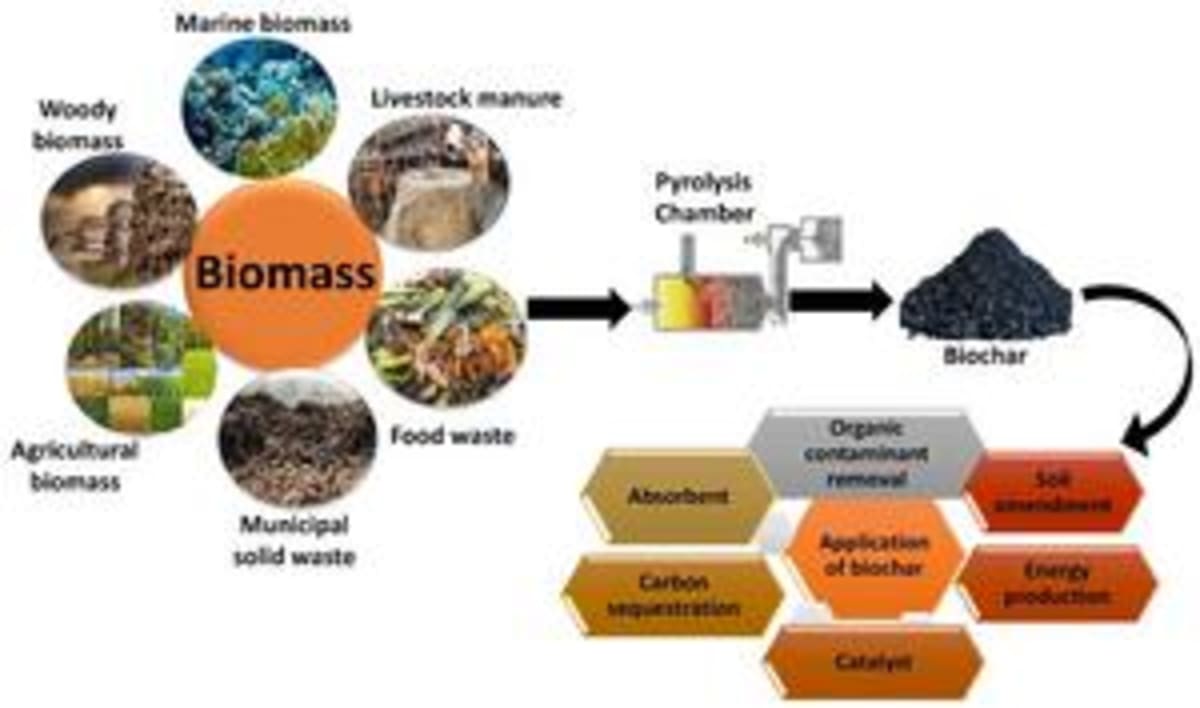
A comprehensive new study published in Biochar reveals that a simple material called biochar could help solve multiple environmental crises at once. By heating agricultural leftovers, forest waste, or manure in low-oxygen conditions, scientists create a stable substance that locks carbon away for hundreds to thousands of years.
The process, called pyrolysis, transforms materials that would normally decompose and release carbon dioxide into the air. Instead, biochar traps that carbon in a form so stable it can remain in soil longer than many civilizations have existed.
"Biochar represents a unique opportunity to address multiple environmental issues at once," said the study's lead author. Beyond storing carbon, it improves soil health, supports farms, and helps create cleaner water systems.
The research shows biochar delivers a net negative carbon footprint. When added to soil, it reduces both carbon dioxide and nitrous oxide emissions, two major drivers of global warming.
Farmers see real benefits too. Biochar's porous structure acts like a sponge, helping soil hold water and nutrients where plant roots can reach them. This means better crop yields with fewer chemical fertilizers.
The material also cleans up pollution. Its high surface area allows it to absorb heavy metals and toxic chemicals from contaminated soil and water, making it valuable for restoring damaged ecosystems.
The Ripple Effect
Biochar creates value from waste. Agricultural residues and municipal organic materials that would otherwise fill landfills become high-value environmental solutions. The pyrolysis process even generates renewable energy through bio-oil and syngas as byproducts.
Scientists are now engineering specialized biochar for specific uses. By controlling temperature and feedstock during production, they can tailor its properties for maximum effectiveness in carbon storage, soil restoration, or pollutant removal.
The study does note challenges ahead. Performance varies based on feedstock type and how it's made. Researchers emphasize the need for standardized guidelines to ensure safe use and prevent unintended effects on soil chemistry.
Despite these growing pains, biochar stands out as a rare solution that tackles climate change, improves agriculture, manages waste, and fights pollution all at once.
The technology offers hope that building a more resilient future might start with something as simple as transforming what we throw away.
Based on reporting by Google News - Climate Solution
This story was written by BrightWire based on verified news reports.
Spread the positivity!
Share this good news with someone who needs it