Biologist Finds Evolution Clock in 'Junk' DNA
Victoria Foe discovered that the DNA scientists dismissed as "junk" may actually be a crucial timing device that makes complex life possible. Her decades-long quest, fueled by personal loss and scientific curiosity, is rewriting what we know about evolution.
A developmental biologist who spent years studying microscopic embryos has uncovered a hidden purpose in the DNA that scientists wrote off as useless for decades.
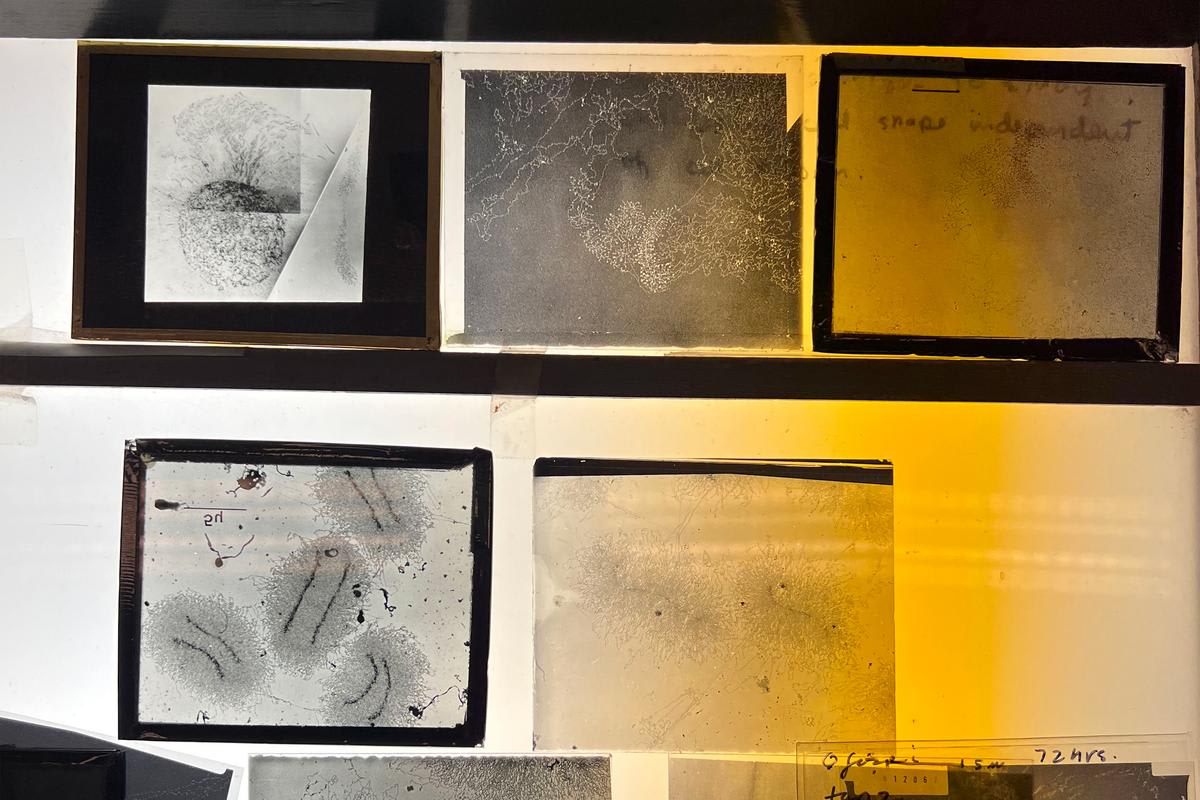
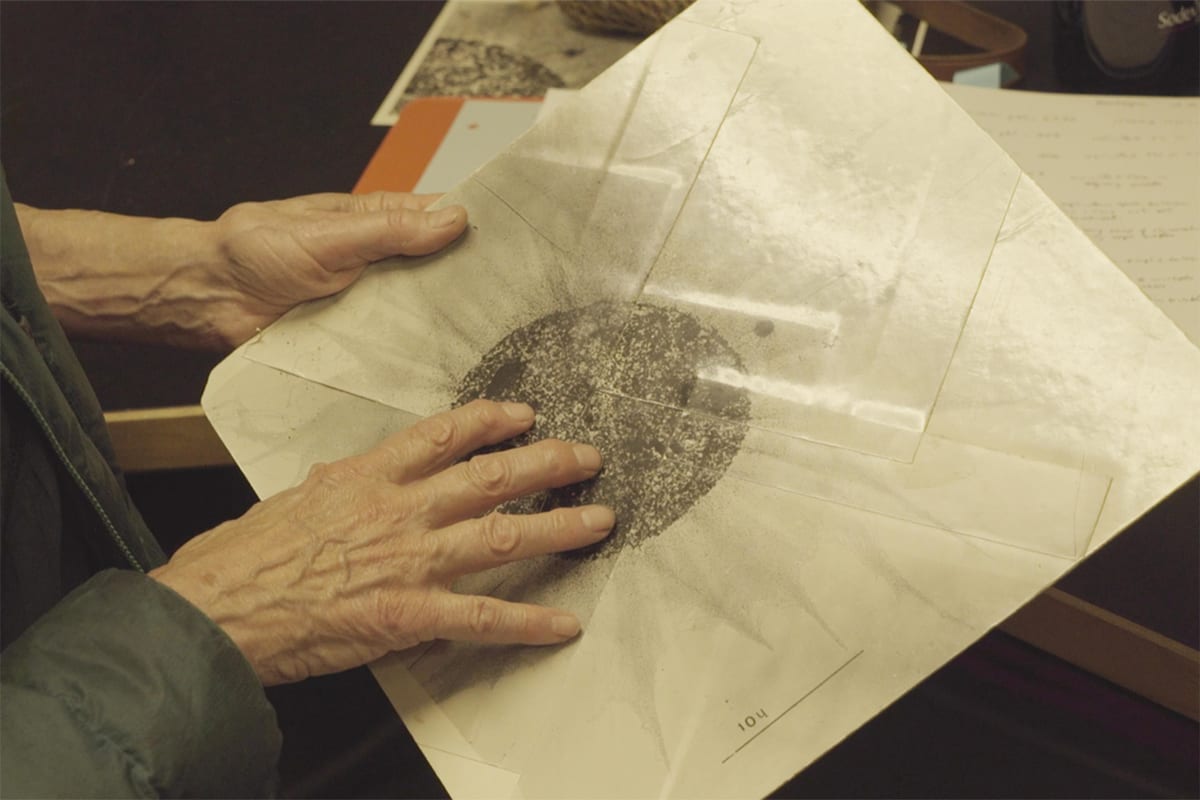
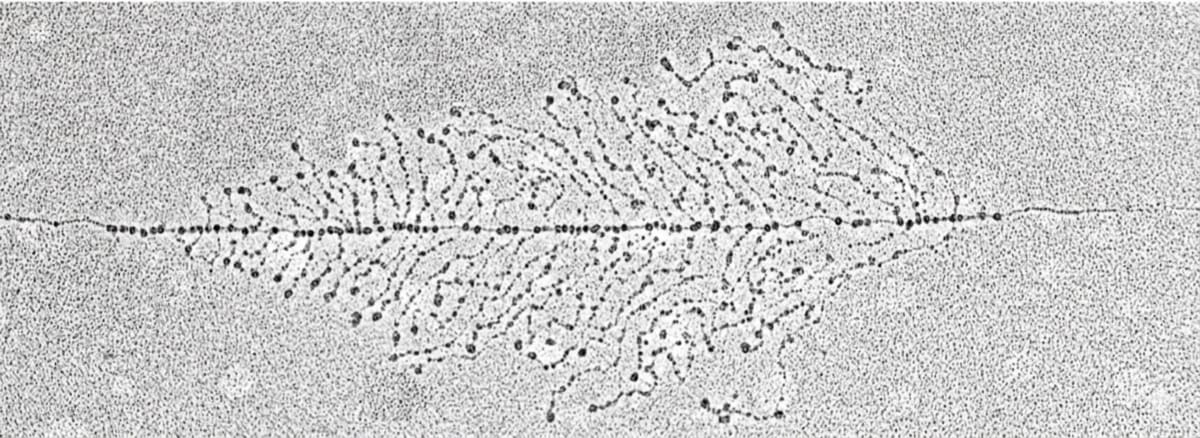
Victoria Foe first noticed something strange in the late 1960s as a graduate student at the University of Texas at Austin. While studying milkweed bug embryos smaller than a grain of rice, she observed genes that stretched nearly 20,000 letters long in the genetic code.
The discovery puzzled her because most of that DNA didn't code for proteins. At the time, biologists believed DNA's only job was storing the code for making proteins, and anything that didn't do this was labeled "junk DNA," leftover material from an ancient viral invasion more than 2 billion years ago.
But Foe couldn't shake a fundamental question: if this extra DNA makes genes more fragile and prone to breaks that cause cancer, why did complex organisms like humans evolve to have so much of it? About 99 percent of human DNA doesn't code for proteins at all.
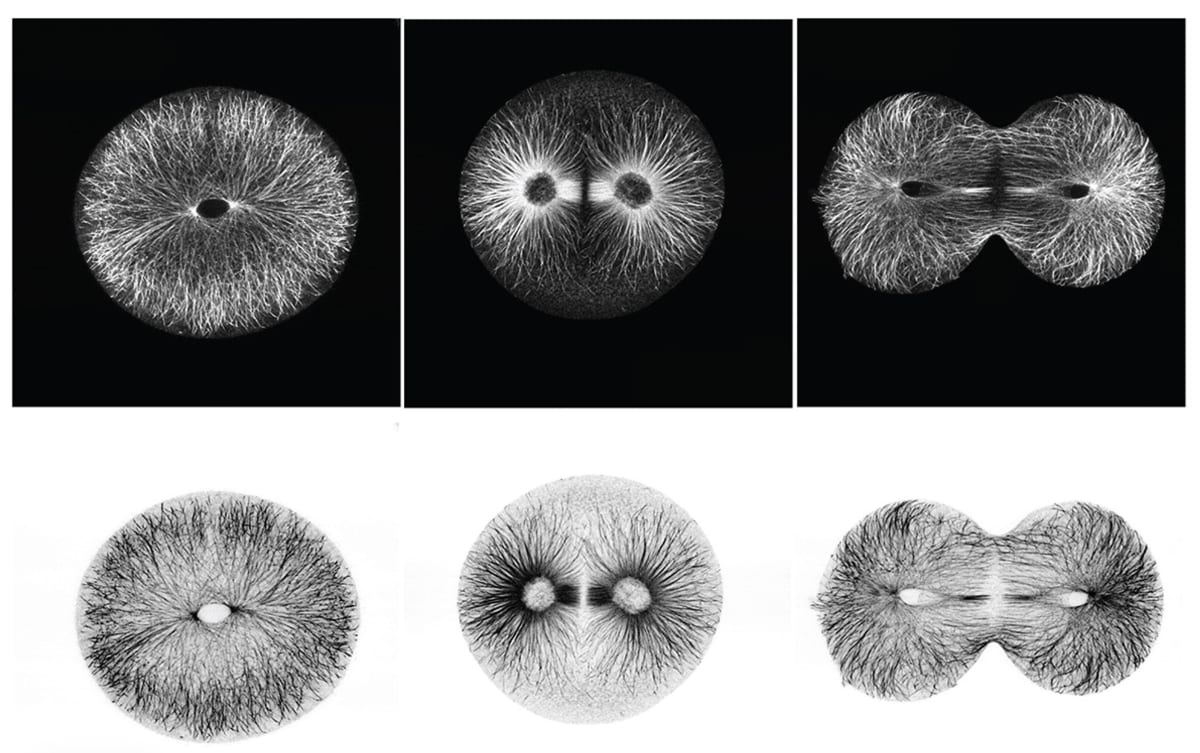
The answer started taking shape during Foe's groundbreaking work in the 1980s at Friday Harbor Laboratories in Washington. She spent hundreds of hours studying fruit fly embryos, mapping how and when their cells divide in the earliest stages of life.
She discovered something remarkable: groups of cells fell into distinct, predictable rhythms of division as the embryo developed. The timing was so precise and coordinated it suggested an internal clock was controlling the process.
After the death of her life partner Garrett Odell from liver cancer in 2018, Foe returned to her early observations with renewed purpose. The personal loss deepened her understanding of biological fragility and motivated her to solve the mystery she'd carried for decades.
Her proposal: the long stretches of non-coding DNA aren't junk at all, but a timing mechanism. This genetic clock may be essential for coordinating the complex development of multicellular organisms, allowing different parts of the body to develop at just the right moments.
Why This Inspires
Foe's discovery challenges one of biology's longest-held assumptions and shows how scientific persistence pays off. What seemed like useless material cluttering our genes may actually be the conductor orchestrating the symphony of complex life.
Her work also demonstrates how personal experiences can fuel scientific breakthroughs. By placing her own grief and vulnerability within the context of biology, Foe found new ways to understand the fragility and resilience encoded in every living cell.
The implications are profound: understanding this genetic timing mechanism could help explain how complex life evolved and may eventually lead to better treatments for developmental disorders and cancer.
After decades of being dismissed, "junk DNA" is finally getting the recognition it deserves as a potential key to one of evolution's biggest mysteries.
More Images
Based on reporting by Google News - Science
This story was written by BrightWire based on verified news reports.
Spread the positivity!
Share this good news with someone who needs it