Bird Droppings Built a Pre-Incan Kingdom, Study Finds
New research reveals that seabird guano—simple bird droppings—fueled the rise of one of ancient Peru's most powerful societies. The natural fertilizer helped the Chincha Kingdom grow massive corn crops in one of Earth's driest places.
Ancient bird poop might sound like a quirky footnote in history, but archaeologists just discovered it powered an entire civilization.
Dr. Jacob Bongers from the University of Sydney uncovered chemical evidence showing that seabird guano transformed the Chincha Kingdom into a coastal powerhouse. The society of perhaps 100,000 people thrived along Peru's coast between roughly 1000 and 1400 CE, before joining forces with the Inca Empire.
Farming in coastal Peru presents a massive challenge. The region ranks among Earth's driest places, where even irrigated soil quickly loses nutrients and becomes useless for crops.
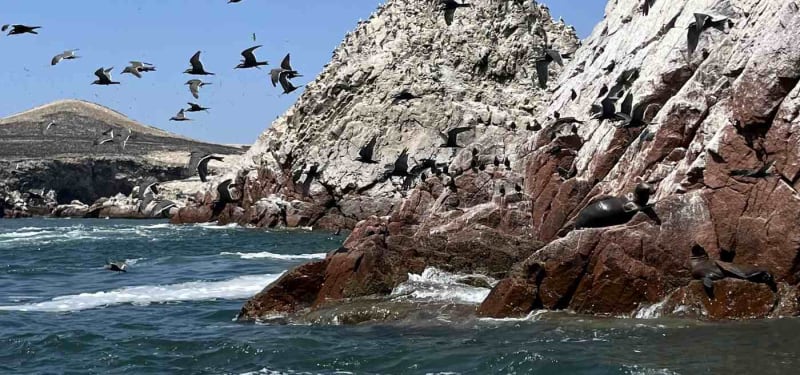
Enter the seabirds. These marine animals left nitrogen-rich droppings on nearby islands, creating a renewable fertilizer that changed everything.
Bongers and his team analyzed 35 corn samples from Chincha Valley burial tombs. The chemical signatures revealed exceptionally high nitrogen levels, far beyond what natural soil could produce, proving farmers deliberately used guano to boost their harvests.
"Guano dramatically boosted the production of maize, and this agricultural surplus crucially helped fuel the Chincha Kingdom's economy," Bongers explained. The extra corn drove trade, increased wealth, sparked population growth, and ultimately caught the attention of the mighty Inca Empire.
The research team found evidence beyond chemistry. Ancient textiles, ceramics, pottery, and wall carvings throughout the region depict seabirds, fish, and sprouting corn together, suggesting people celebrated and even ritualized the connection between birds and agriculture.
Colonial writings describe how communities across coastal Peru sailed to nearby islands on rafts to harvest the precious droppings. The Chincha Islands became hotspots for this vital resource.
The Ripple Effect
The guano economy created specialists throughout Chincha society. Merchants, farmers, and fisherfolk all benefited from the agricultural surplus, turning the Chincha people into major coastal traders.
The Inca Empire couldn't replicate this success in their highland homes. They famously obsessed over corn for making chicha, their ceremonial fermented beer, but their mountain environment wasn't suitable for growing much of it.
The Incas also couldn't sail to collect guano themselves. This created a perfect diplomatic opportunity where the resource-rich Chincha Kingdom became valuable allies to the largest native empire in the Americas before European arrival.
The discovery reveals how recognizing and protecting natural resources shaped ancient power structures. The Chincha people understood their seabirds were irreplaceable partners in survival and prosperity.
Today's islands still host seabirds, though in smaller numbers than centuries past, reminding us that sustainable resource management has always been key to thriving civilizations.
More Images


Based on reporting by Good News Network
This story was written by BrightWire based on verified news reports.
Spread the positivity!
Share this good news with someone who needs it