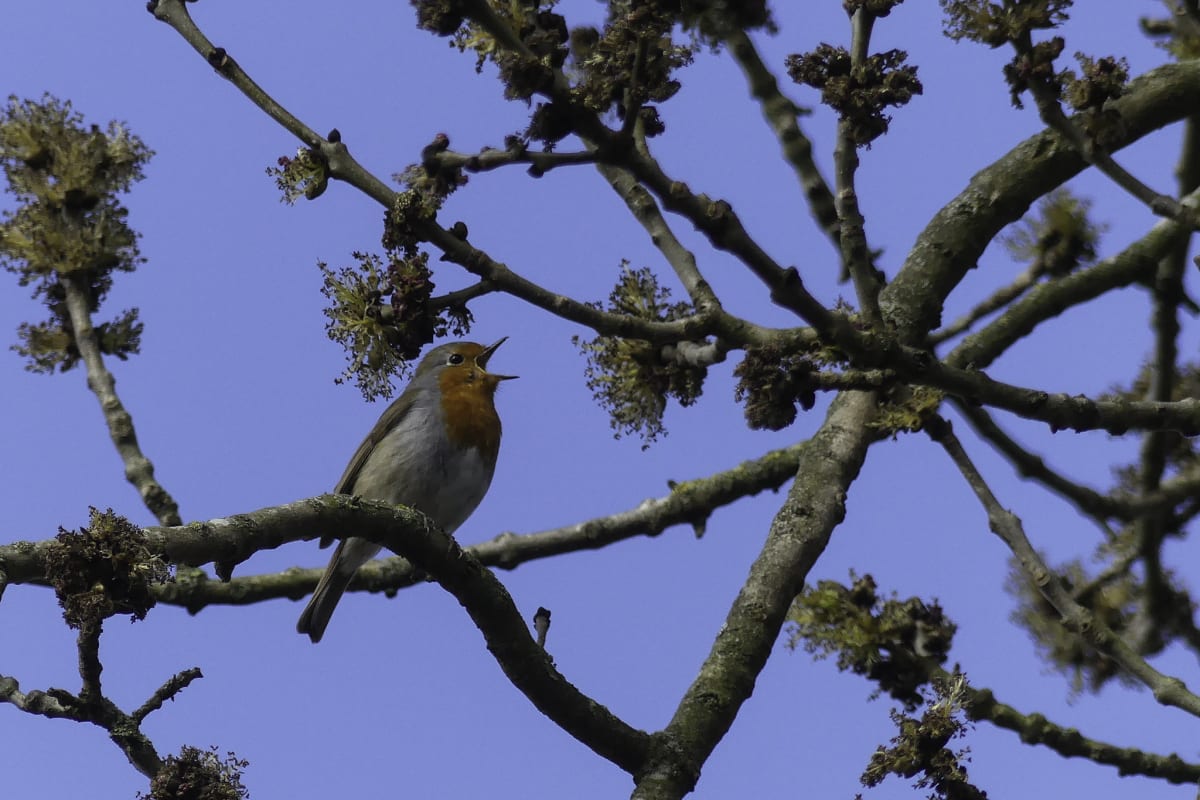
Birdsong in Forests Cuts Stress, NC State Study Finds
A forest plus birdsong dropped stress scores in half compared to urban noise, and the woodland was human-made. Cities could design mental health into parks without needing wilderness.
Students sitting in a restored forest while listening to birdsong felt their stress drop by half compared to those on a paved plaza hearing traffic, according to a new study from North Carolina State University.
Researchers asked 106 students to visit two campus locations: a young forest restored in 2006 and a paved intersection plaza. At each spot, participants wore noise-canceling headphones and listened to 10 minutes of birdsong, then 10 minutes of traffic sounds, rating their stress and mood after each session.
The forest-and-birdsong combination produced the strongest results. Students reported an average stress score of 3.2 on an 11-point scale, while those on the plaza hearing traffic scored 6.4. Positive emotions climbed highest in the natural setting with bird sounds, and feelings of mental restoration followed the same pattern.
Both the setting and the soundtrack mattered independently, and their benefits stacked. Students in the forest hearing traffic noise, or on the plaza hearing birdsong, landed somewhere in the middle, better than the worst combination but not as powerful as nature plus natural sound together.
"For participants who were in a green space listening to the birds, there were significant effects," said study lead author Nils Peterson, a professor in NC State's College of Natural Resources. "Positive emotions went up, negative emotions went down, stress went down, and perceptions of feeling restored went up more than any other combination."
The Ripple Effect
The forest used in the experiment is not ancient wilderness but a human-engineered restoration on a working college campus, now carrying over 70% canopy cover. That a relatively young, manufactured patch of nature produced such strong mental health benefits suggests cities could intentionally build these effects into urban parks with strategic tree planting, seating placement, and habitat design that attracts songbirds.
Environmental psychologist Cindy Frantz, who chairs the psychology department at Oberlin College and was not involved in the research, called the effect sizes notably large. "The impact of natural environments and birdsong are not tiny 'around the margins' results," she told Mongabay. "Effect sizes this large suggest that the impacts they observed are likely to make a difference in people's lived experiences."
The study adds to growing evidence that bird sounds improve mental health, though the effect depends on the species and the listener. Quiet, melodic, complex songs tend to soothe, while loud or harsh calls can grate. Researchers believe birdsong may signal safety and allow the kind of mental rest that built environments, with their constant demand for focus, rarely permit.
Cities don't need remote wilderness to give residents a mental health boost; they just need to design with birds in mind.
More Images
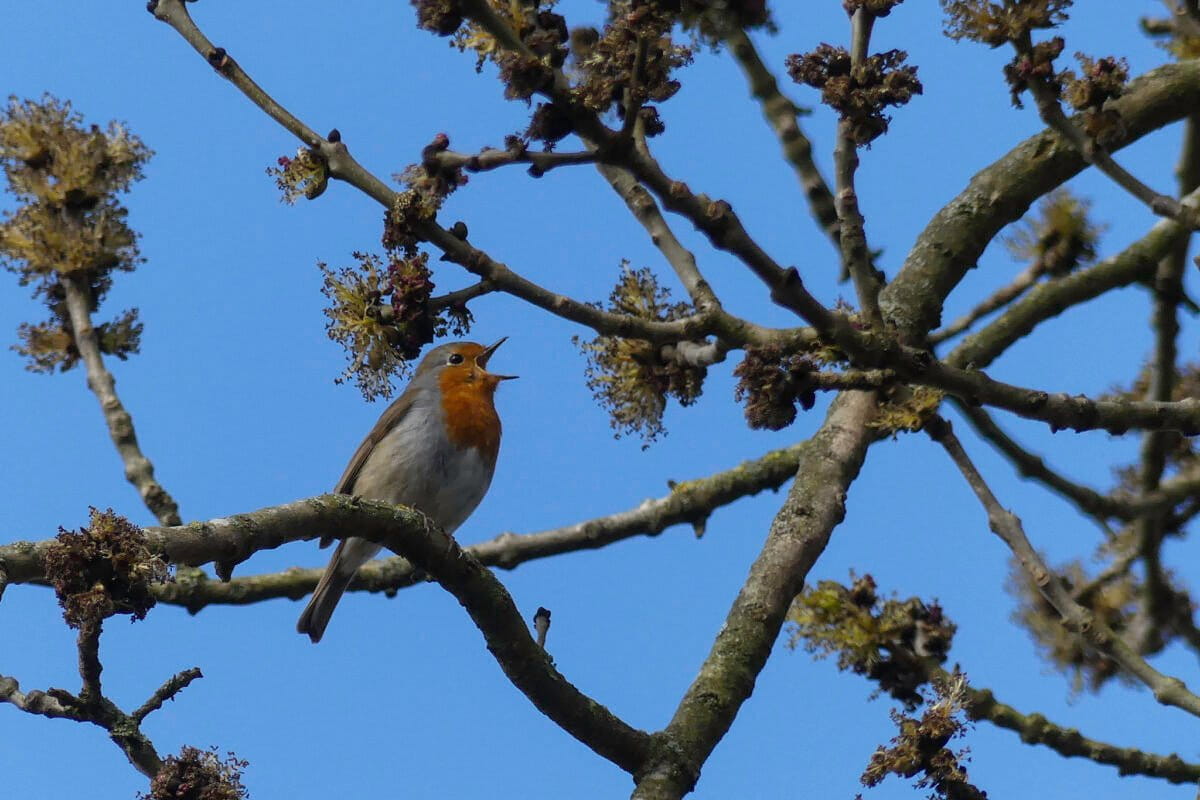



Based on reporting by Mongabay
This story was written by BrightWire based on verified news reports.
Spread the positivity!
Share this good news with someone who needs it