Black Bear Spotted in Assam Forest After 88 Years
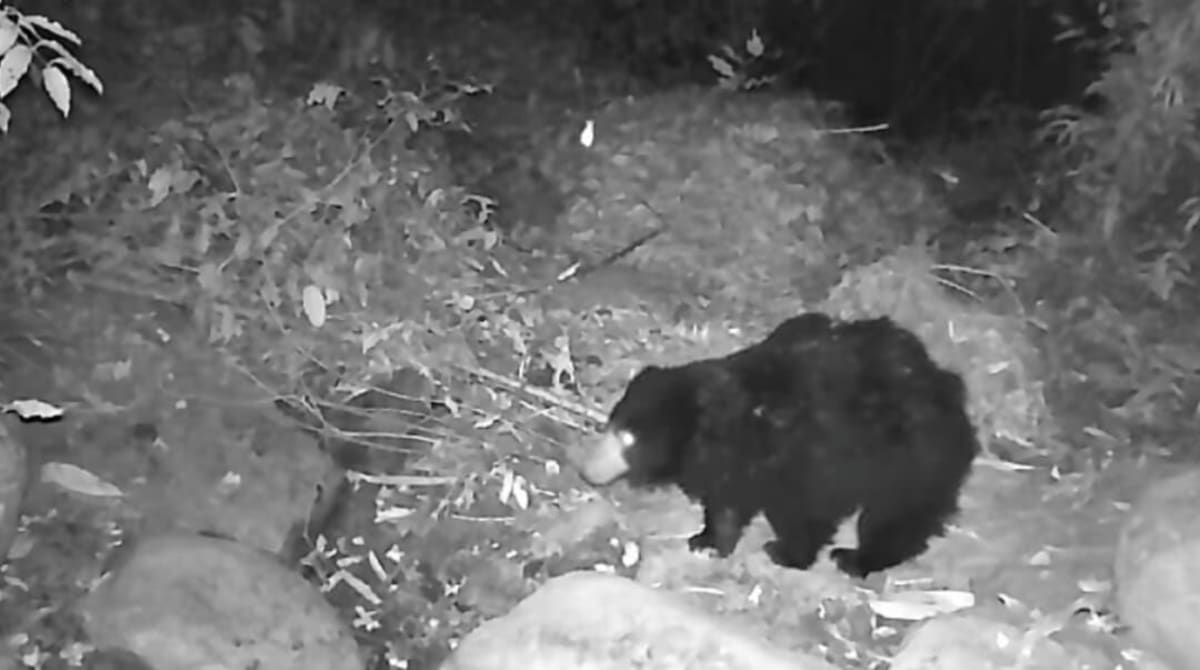
A black bear was filmed roaming freely through India's Rani Reserve Forest, signaling that decades of conservation work in Assam are paying off. Wildlife experts say the sighting proves the ecosystem is healthy enough to support species that once struggled to survive there.
A black bear has returned to India's Rani Reserve Forest near Guwahati, captured on camera moving confidently through dense vegetation in what conservationists are calling a major win for wildlife protection. The footage shows the animal exploring its natural habitat completely undisturbed, a sight that would have been nearly impossible just years ago.
The Rani Reserve Forest sits on the outskirts of Guwahati in Assam, a northeastern state known for its rich biodiversity. For decades, the forest has been under careful protection to restore habitats degraded by human activity and wildlife poaching.
Chief Minister Himanta Biswa Sarma shared the video on social media, writing in Assamese that "amid Assam's unparalleled natural beauty, every species is now finding a safe and secure environment." His government has invested in anti-poaching patrols, habitat restoration, and wildlife corridors that allow animals to move safely between protected areas.
Wildlife experts note that black bear sightings serve as an important indicator of forest health. These animals need large territories with diverse food sources and minimal human disturbance to thrive.
The Ripple Effect
The bear's return benefits more than just one species. When top predators and large mammals like black bears can survive in a forest, it means the entire food chain below them is functioning properly.
Birds, smaller mammals, insects, and plant life all benefit from the protection measures that made this sighting possible. The reserve now supports several species of animals and birds that depend on its dense forest cover and balanced ecosystem.
Local communities have also embraced conservation efforts, understanding that healthy forests provide clean water, prevent soil erosion, and support sustainable tourism. The region's ecological balance depends on maintaining these protected spaces where wildlife can flourish without constant threat.
Assam has strengthened its conservation initiatives in recent years, creating protected corridors and increasing enforcement against illegal logging and poaching. These measures are designed to ensure that the state's diverse flora and fauna continue to recover and expand.
The black bear's comfortable movement through the forest suggests these efforts are working exactly as intended.
Based on reporting by Google News - Conservation Success
This story was written by BrightWire based on verified news reports.
Spread the positivity!
Share this good news with someone who needs it