Black Sea Summit Tackles Sustainable Ocean Economy
Turkey's first Blue Economy Summit brought together 13 nations to turn the Black Sea into a hub for green maritime growth. The three-day gathering in Trabzon proved sustainable ocean development can unite regions facing shared challenges.
The Black Sea region just took a major step toward becoming a global leader in sustainable ocean development, and it happened in a city where maritime tradition runs deep.
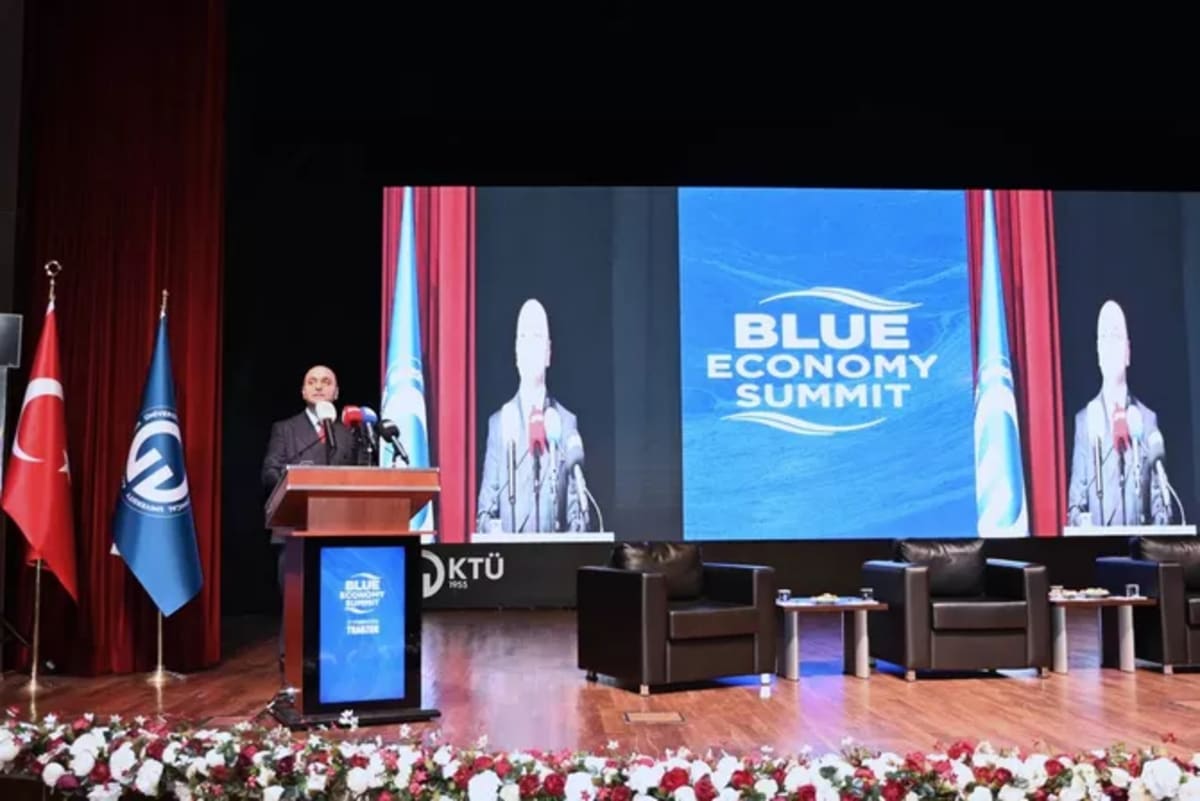
Trabzon, Turkey hosted its first-ever Blue Economy Summit from March 27-29, gathering representatives from 13 countries to chart a sustainable future for one of the world's most strategically important seas. Government officials, business leaders, universities, and environmental groups came together to solve shared problems while unlocking economic opportunities hidden beneath the waves.
The timing couldn't be better. Coastal communities around the Black Sea face mounting challenges from climate change, from rising sea levels to shifting fish populations. But instead of tackling these problems alone, countries are choosing collaboration over competition.
Discussions covered everything from climate-resistant coastal infrastructure to protecting marine ecosystems while growing local economies. Sessions explored cutting-edge topics like blue energy development, sustainable fisheries, artificial intelligence for ocean monitoring, and innovative financing for maritime projects.
Recep İlhan Yıldız, who helped organize the summit, told reporters the event exceeded all expectations. He believes Turkey's Black Sea coast has untapped potential to become a major destination for both tourism and international shipping, especially with continued investment and regional teamwork.
The summit wasn't just talk. Six major institutions backed the event, including universities, chambers of commerce, and development agencies. That kind of multi-sector support signals real commitment to turning ideas into action.
Merve Safa Kavakçı from the Black Sea Economic Cooperation Organization highlighted how academics, diplomats, and community groups worked side by side throughout the three days. She singled out Azerbaijan as one of the most active partners in regional cooperation, showing how neighboring countries are bridging political differences through shared environmental goals.
The Ripple Effect
The summit's impact extends far beyond conference rooms in Trabzon. When 13 nations agree to coordinate on ocean protection and sustainable development, coastal communities across the entire region benefit. Fishermen gain access to better data and sustainable practices. Port cities can modernize infrastructure while protecting shorelines. Young entrepreneurs find new opportunities in green maritime technologies.
The collaborative spirit at this summit offers a blueprint for other regions struggling to balance economic growth with environmental protection. By framing ocean health as a shared asset rather than a zero-sum competition, Black Sea nations are discovering they can achieve more together than apart.
Turkey has already committed to hosting future summits, turning this inaugural gathering into an annual tradition. That continuity matters because sustainable ocean development requires patience and sustained effort, not one-time fixes.
With climate challenges intensifying worldwide, watching 13 countries choose cooperation over conflict offers a refreshing reminder that shared problems can create unexpected partnerships.
More Images
Based on reporting by Regional: turkey innovation (TR)
This story was written by BrightWire based on verified news reports.
Spread the positivity!
Share this good news with someone who needs it