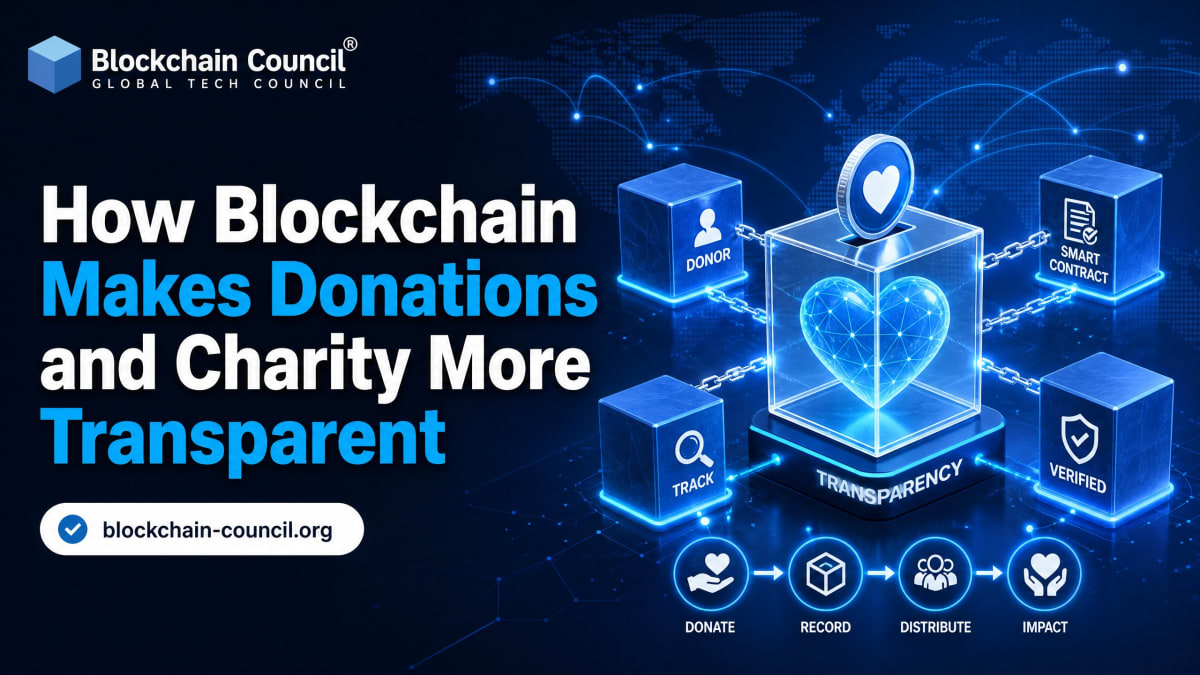
Blockchain Lets Donors Track Every Dollar to Those in Need
New technology is solving one of charity's biggest problems: donors can now watch their donations reach those who need help in real time. Blockchain creates a permanent, public record showing exactly where every dollar goes.
Imagine donating to disaster relief and watching your contribution move from your account to supplies on the ground, all in real time. That's becoming reality as blockchain technology transforms how charities handle donations.
The problem has always been trust. Traditional donation systems send money through banks, payment processors, partner organizations, and local administrators before reaching people in need. Each step creates delays, eats up funds in fees, and makes it nearly impossible for donors to know if their money actually helped.
Blockchain offers a solution by creating an unchangeable digital record of every transaction. Think of it like a public receipt that anyone can check but no one can erase or fake. When someone donates, that transaction gets a unique identifier that donors and auditors can follow through the entire system.
Platforms like GiveTrack already let donors monitor their contributions in real time instead of waiting months for an annual report. The Luxarity initiative took this further, allowing shoppers to trace funds from luxury fashion resale programs all the way to grant recipients. Donors could see their impact unfold rather than hoping their money reached the right place.
The technology gets even smarter with automated contracts that release funds only when specific goals are met. Alice.si, a blockchain charity platform, links donations to verified milestones. A donation might specify that 80 percent goes to school supplies and 20 percent to operations, with money released only after completion of each phase.
This approach cuts out many middlemen, which means lower fees and faster delivery. Cross-border donations especially benefit because they can skip multiple banks and processors that normally take cuts and cause delays. More of each dollar reaches those who need it most.
Why This Inspires
This technology doesn't just move money faster. It rebuilds the broken trust between donors and causes they care about. When people can verify that their $50 bought textbooks for a specific classroom or medicine for a particular clinic, giving becomes personal again.
The transparency works both ways too. Charities doing good work can now prove their impact instantly instead of struggling to compile reports that donors rarely read. Organizations meeting their promises gain supporters, while those falling short face accountability.
Blockchain won't solve every challenge in philanthropy, but it addresses the fundamental question every donor asks: "Did my donation actually help?" For the first time, technology can answer with receipts anyone can verify. That clarity could encourage millions who want to give but hesitate because they don't know where their money goes.
The future of charity isn't just about generosity. It's about generosity you can see working in real time, building a world where helping others comes with proof of impact.
Based on reporting by Google: charity donation
This story was written by BrightWire based on verified news reports.
Spread the positivity!
Share this good news with someone who needs it


