Blood Cell Breakthrough Stops Bleeding in 5 Seconds
Scientists just turned ordinary red blood cells into super-powered clot formers that stop severe bleeding almost instantly. Treated rats formed clots in 5 seconds instead of 265, opening a path to save millions of lives lost to blood loss each year.
Scientists in Canada just figured out how to make red blood cells act like nature's emergency responders, stopping severe bleeding in seconds instead of minutes.
Researchers at McGill University in Montreal discovered a simple way to strengthen red blood cells so they form tougher, faster clots. When they tested the modified cells on rats with serious liver wounds, the results were stunning: bleeding stopped in just 5 seconds compared to over 4 minutes in untreated animals.
The treated rats lost only 24 milligrams of blood, while untreated rats lost nearly 2,000 milligrams. That's a 98% reduction in blood loss from a simple modification that takes the cells already in our bodies and makes them better at their backup job of forming clots.
Blood loss kills around 2 million people worldwide every year. Every minute that bleeding continues raises the risk of death. Current treatments like transfusions are expensive and hard to deliver quickly, while specialized bandages sometimes trigger immune reactions or interfere with healing.
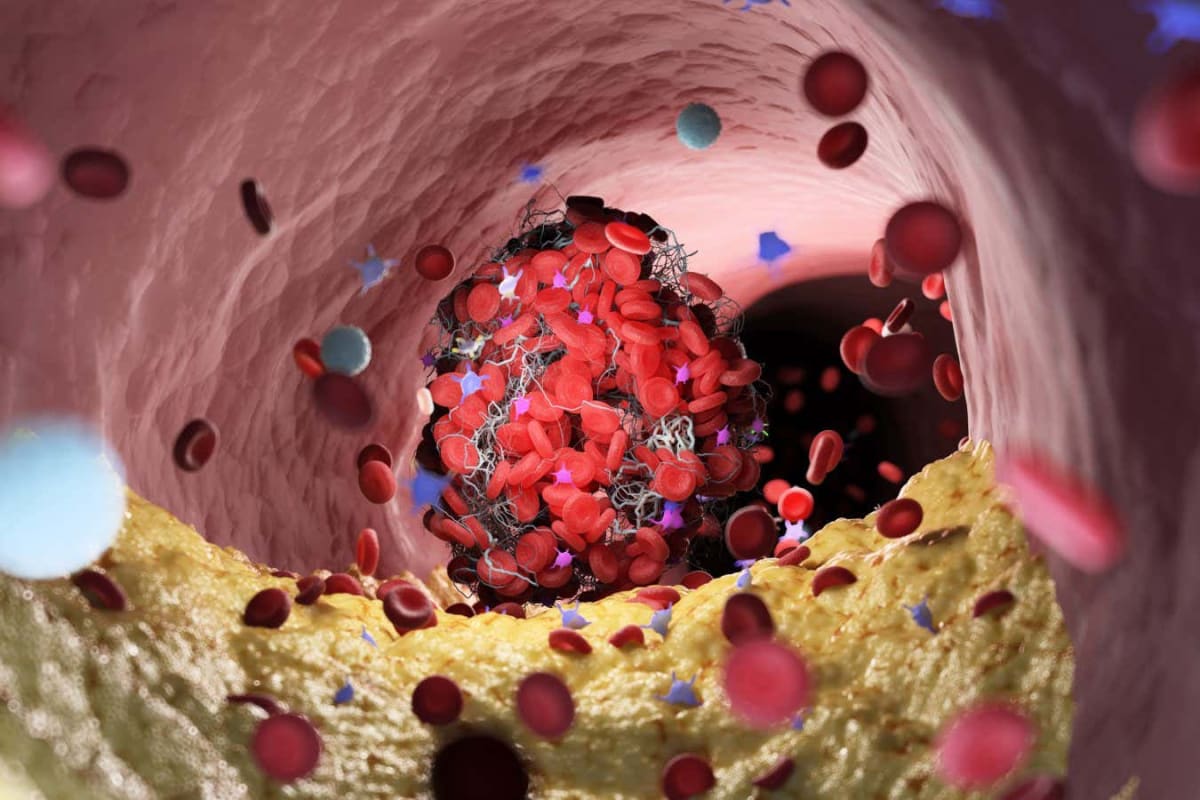
The breakthrough works by adding chemical "handles" to red blood cells that help them link together more strongly. One side attaches to proteins on the cell surface, while the other connects to long-chain molecules that bind cells into a tougher mesh. Red blood cells already make up the bulk of natural clots, but they're fragile. This modification gives them the strength they were missing.
Lead researcher Jianyu Li calls red blood cells "the elephant in the room" that his team finally put to work. The cells primarily carry oxygen, but they also team up with platelets to plug wounds. Now they can do both jobs better.
The Ripple Effect
The treatment could transform both emergency medicine and planned surgeries. Doctors could collect a small blood sample from patients and modify it in less than 30 minutes before a scheduled procedure. For emergencies, hospitals could prepare batches from blood bank samples and refrigerate them for at least a month.
Unlike natural clots that break down within days, these modified clots lasted one to two months in the rats. That extra time gives wound-healing molecules more opportunity to work. The researchers observed no safety concerns over the entire testing period.
Hyunwoo Yuk, founder of bioadhesive technology company SanaHeal, calls it "exciting work that shows a new design method for cell-based biomaterials." The team has already applied for a patent and is planning further research to bring the treatment closer to human trials.
The approach represents a shift from creating new synthetic materials to supercharging what our bodies already have, turning everyday blood cells into lifesaving tools that work in seconds.
More Images



Based on reporting by New Scientist
This story was written by BrightWire based on verified news reports.
Spread the positivity!
Share this good news with someone who needs it