Blood Moon Eclipse Lights Up Skies Tuesday Across Americas
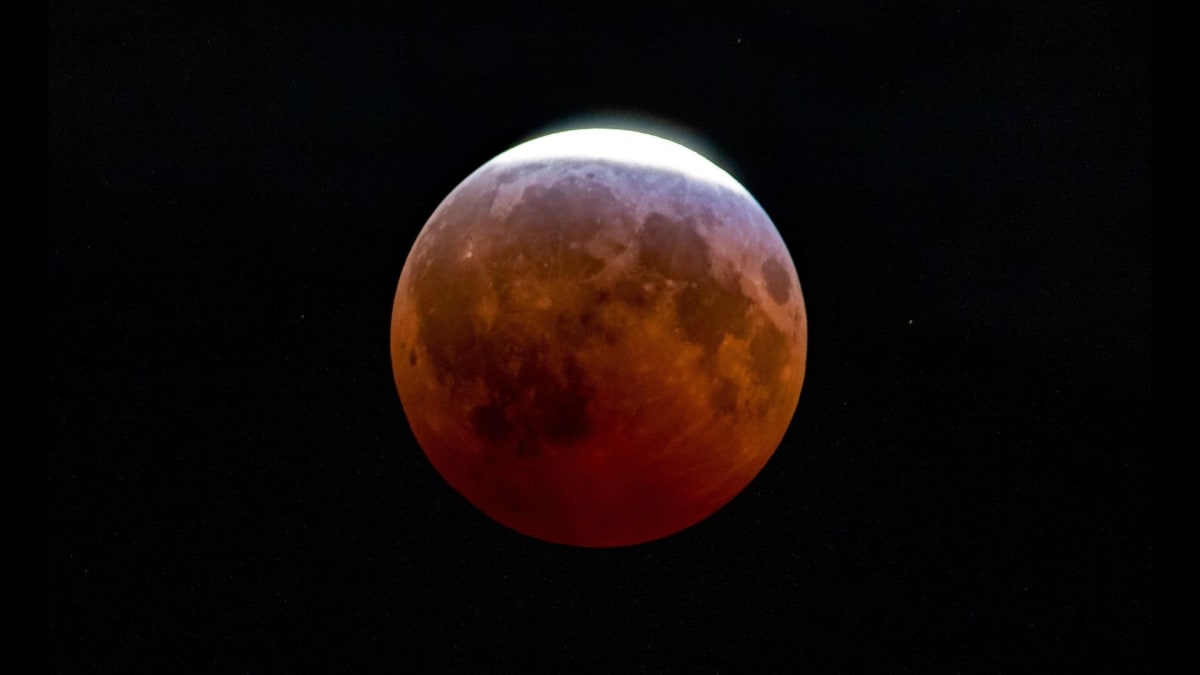
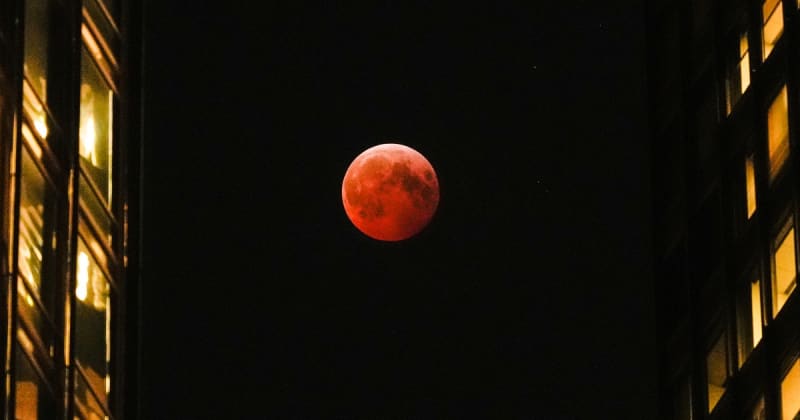
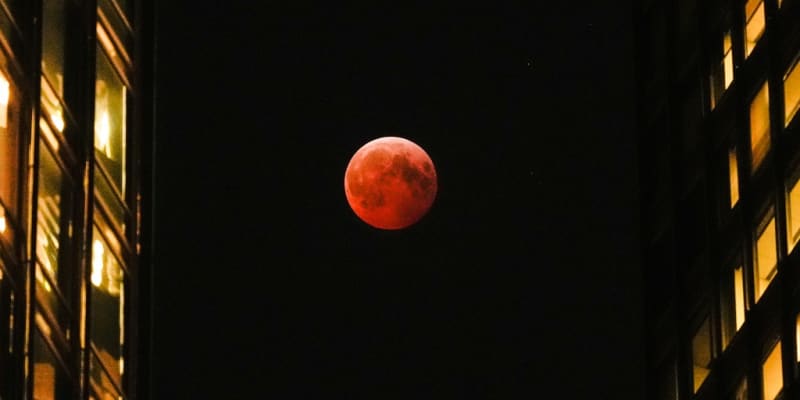
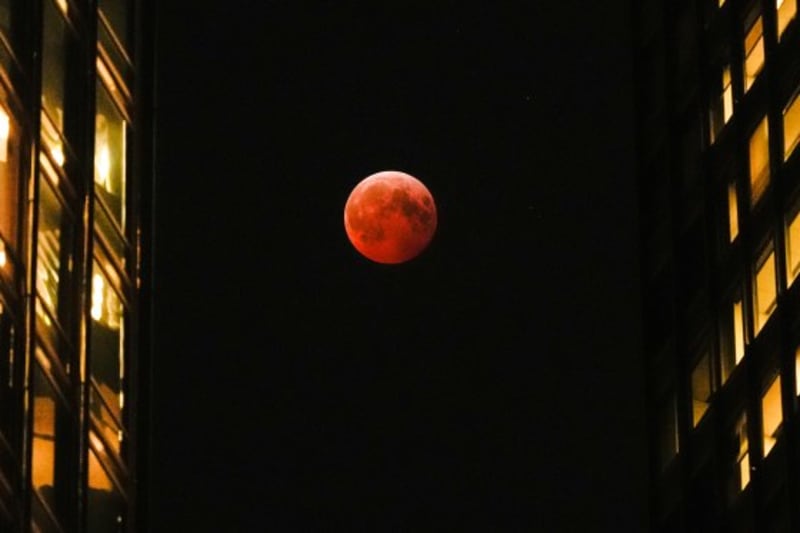
Millions across North and South America can witness a stunning total lunar eclipse Tuesday morning, painting the moon deep red for about an hour. No special equipment needed, just clear skies and wonder.
Get ready to look up! A rare total lunar eclipse will transform the moon into a spectacular crimson orb Tuesday morning, and you won't need any special gear to see it.
North America, Central America, and western South America get front-row seats to this celestial show. Australia and eastern Asia can catch it Tuesday night, while parts of Central Asia and South America will see partial stages of the eclipse.
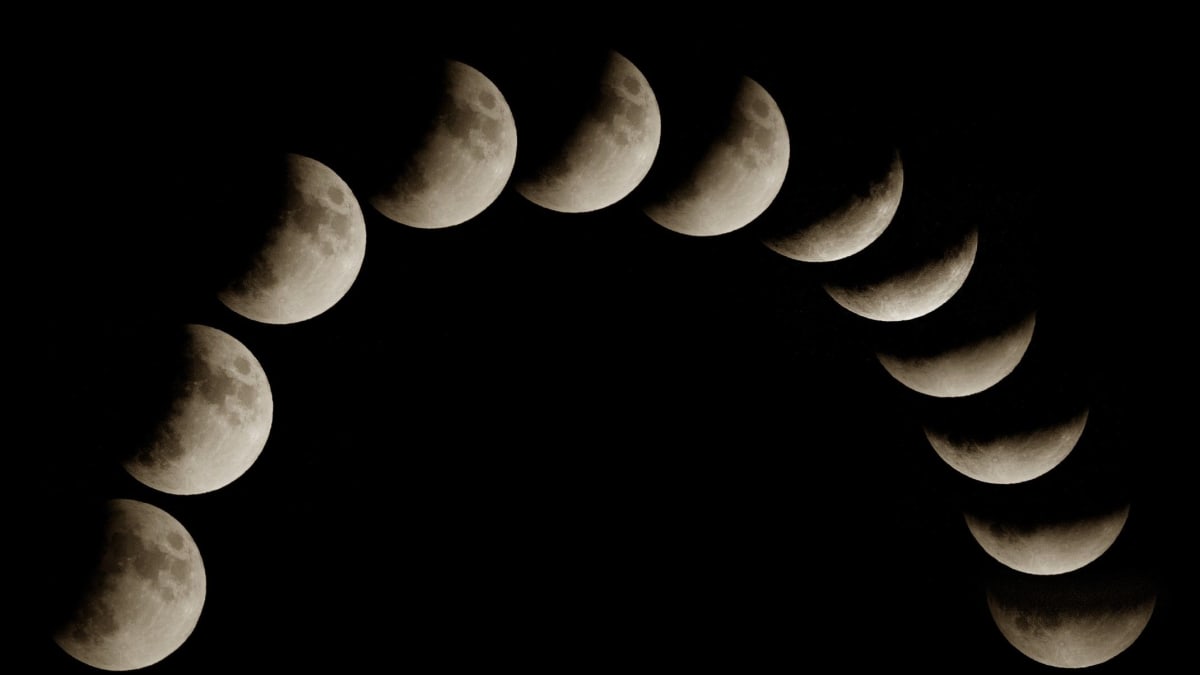
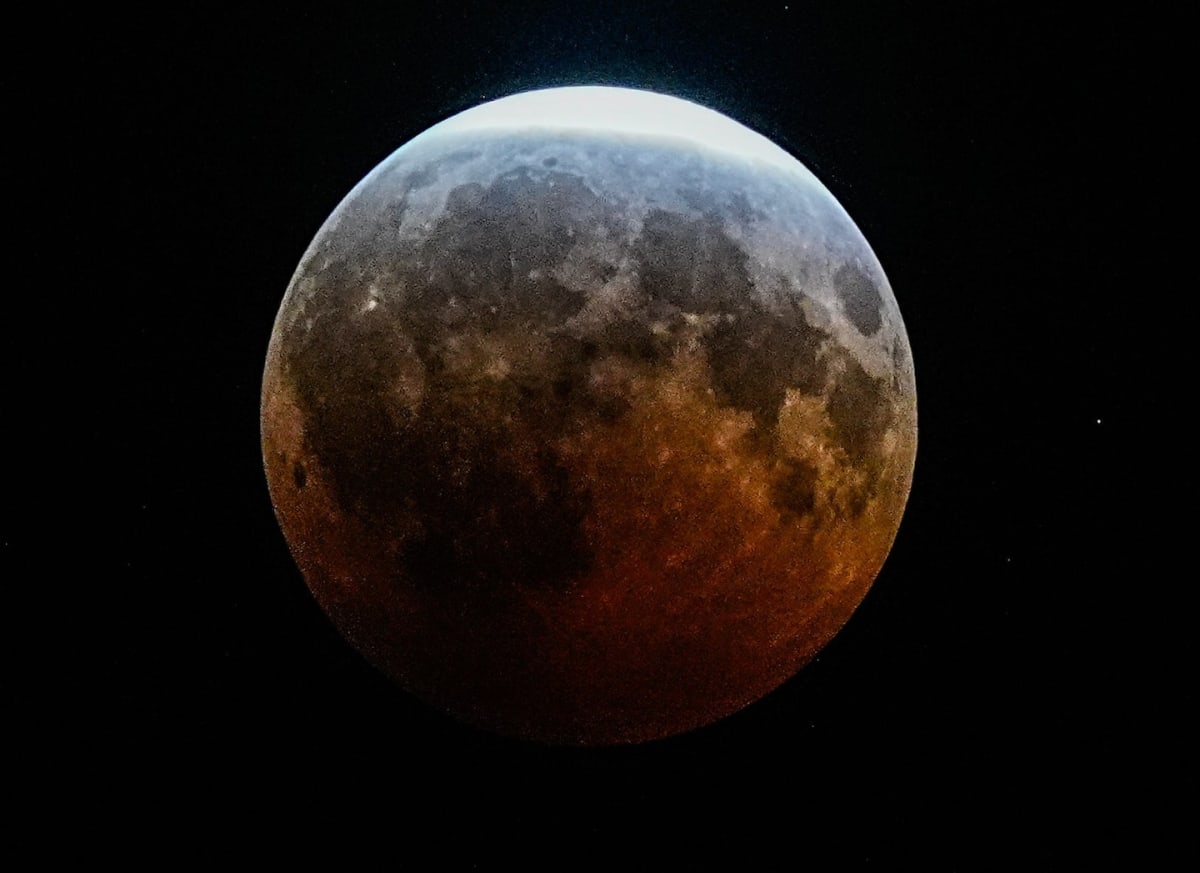
Here's the beautiful science behind it. When Earth slides perfectly between the sun and moon, our planet casts a shadow that completely covers the moon. The moon glows red because tiny bits of sunlight filter through Earth's atmosphere, creating that famous "blood moon" effect.
The whole show unfolds over several hours, with the moon staying fully red for about an hour. Catherine Miller at Middlebury College's Mittelman Observatory notes that compared to a solar eclipse, "the lunar eclipse is a little more of a relaxed pace."
That relaxed pace means you don't have to stand outside the entire time. Check a weather app or celestial calendar for exact timing in your area, then step outside a few times to watch Earth's shadow slowly darken the moon before revealing that stunning reddish-orange glow.
"You don't have to be out there the whole time to see the shadows moving," says astronomer Bennett Maruca with the University of Delaware. Just grab a clear view of the sky and let the universe put on a show.
Why This Inspires
This eclipse reminds us that some of nature's most breathtaking moments are completely free and accessible to everyone. No tickets, no equipment, no expertise required. Just you, the sky, and a cosmic alignment that's been happening for billions of years. These shared experiences connect millions of people across continents in simultaneous wonder.
Tuesday's eclipse comes just two weeks after a "ring of fire" solar eclipse dazzled viewers in Antarctica. NASA notes that Earth experiences between four and seven eclipses each year, as the sun, moon, and Earth hit that perfect sweet spot in their orbits.
If you miss Tuesday's show, don't worry too much. A partial lunar eclipse arrives in August, visible across the Americas, Europe, Africa, and western Asia.
The universe is putting on a show, and you're invited.
More Images


Based on reporting by Google News - Science
This story was written by BrightWire based on verified news reports.
Spread the positivity!
Share this good news with someone who needs it