Blood Test Could Detect Alzheimer's Decades Early
European researchers are developing a simple blood test that could detect Alzheimer's disease decades before symptoms appear, using graphene technology to identify warning signs from a single drop of blood. The device could make early screening as routine as checking blood sugar.
For the first time, doctors may soon detect Alzheimer's disease decades before memory loss begins, using nothing more than a simple blood test.
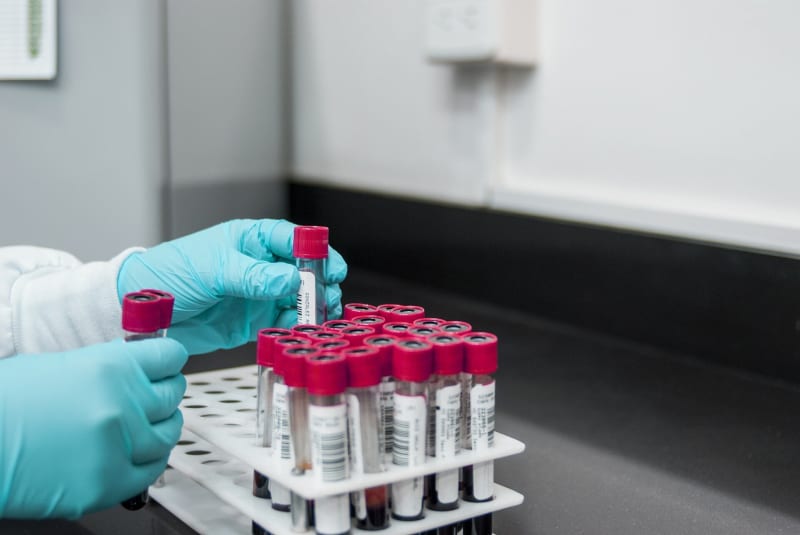
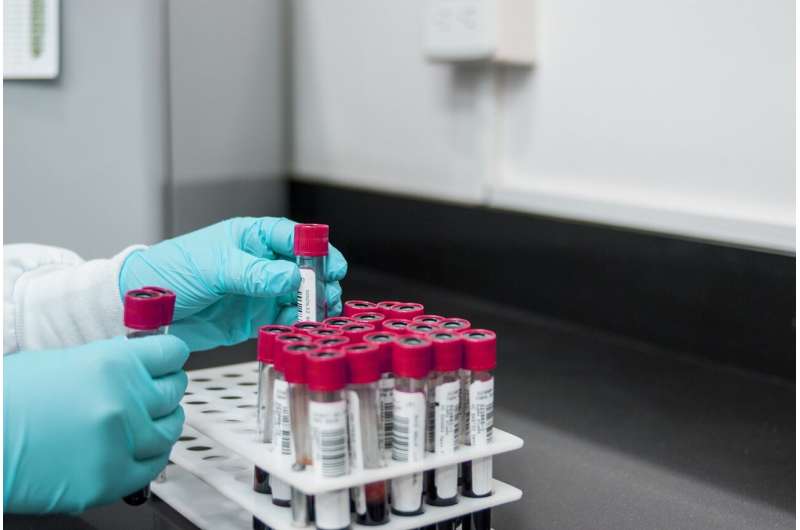
European researchers are developing a portable device that identifies up to five Alzheimer's proteins from a single blood sample in just 30 minutes. The technology combines standard blood testing with graphene, an ultrathin carbon material that detects disease markers in extremely low concentrations.
The timing couldn't be better. In 2025, the EU approved its first two drugs that actually slow Alzheimer's progression, not just manage symptoms. But these breakthrough medications work best when started early, making fast and affordable detection more critical than ever.
Today, diagnosing Alzheimer's requires brain scans or spinal taps, invasive procedures mostly reserved for people already showing symptoms. Around 7 million Europeans currently live with the disease, a number expected to double by 2030. Most receive their diagnosis far too late for treatments to make much difference.
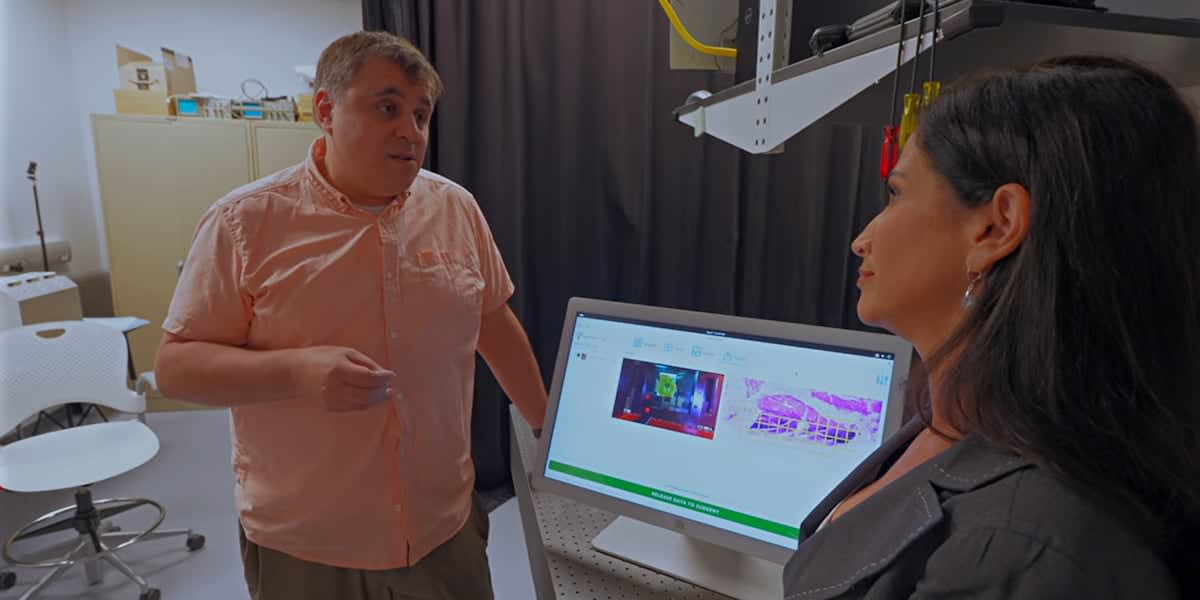
Dr. Aristeidis Bakandritsos, who leads the research team at Palacký University in Czechia, sees a clear path forward. "Early detection will only be realistic for people when it's inexpensive for the health service, and painless and simple for the patient, which it isn't today," he said.
The 2D-BioPAD project launched in 2023 brings together 11 partners from 8 European countries. Clinical trials are now underway in Finland, Greece, and Germany to test how well the device works in real healthcare settings.
The technology works because of graphene's unique properties. When Alzheimer's proteins bind to its surface, they change how electricity flows through the material. Those tiny changes reveal which biomarkers are present and in what amounts, giving doctors precise information about disease risk.
Unlike lab tests that take days and cost hundreds of euros, this device could work in any doctor's office. Patients would provide a small blood sample similar to a diabetes test, insert it into a compact device connected to a tablet, and get results before leaving the appointment.
The Ripple Effect
The researchers expect to know by late 2026 whether their device matches the accuracy of existing lab equipment. If successful, the test could reach everyday medical offices within five years.
Family doctors could then screen patients during routine checkups, flagging risk years before confusion or memory problems emerge. Early intervention means more time with loved ones, better treatment outcomes, and the chance to plan ahead while still living fully.
Vincent Bouchiat, CEO of project partner Grapheal, acknowledges the emotional weight of early diagnosis but points to its power. "New Alzheimer's medications show promise in delaying the progression of the disease, which is obviously a huge step forward."
The goal isn't to replace specialists but to catch the disease when fighting it actually makes a difference.
More Images


Based on reporting by Medical Xpress
This story was written by BrightWire based on verified news reports.
Spread the positivity!
Share this good news with someone who needs it