Blood Test Detects 50+ Cancers in Major Medical Breakthrough
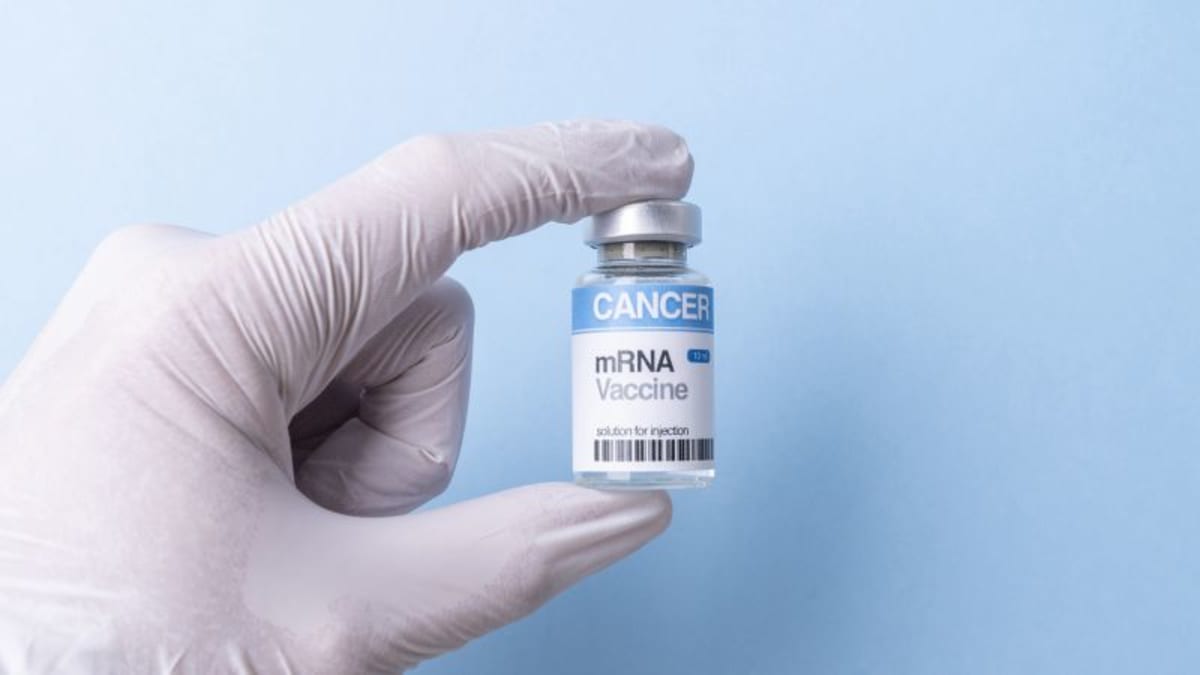
Scientists have developed a blood test that can detect more than 50 types of cancer using a single sample. The screening tool identifies abnormal DNA fragments in the bloodstream, potentially revolutionizing early cancer detection and saving countless lives.
A single blood test might soon catch cancer before symptoms even appear, giving patients the gift of early treatment when it matters most.
Researchers have created a groundbreaking screening tool that detects over 50 different types of cancer from one blood sample. The test works by identifying abnormal DNA fragments that cancer cells release into the bloodstream, offering a simple alternative to dozens of separate screening procedures.
The innovation could transform cancer care worldwide. Instead of waiting for symptoms or relying on multiple screening appointments, patients could receive comprehensive cancer monitoring through routine blood work at their annual checkup.
Early detection remains one of the most powerful weapons against cancer. When caught in early stages, many cancers have survival rates exceeding 90 percent. This new test promises to find cancers that currently lack screening methods, including pancreatic and ovarian cancers that often go undetected until advanced stages.
The test represents years of research into cell-free DNA, the genetic material that dying cells shed into blood. Cancer cells release DNA with distinct patterns that scientists can now identify with remarkable accuracy. This approach turns the body's own signals into an early warning system.
The Ripple Effect
Beyond individual patients, this technology could reshape entire healthcare systems. Hospitals might catch cancers earlier, reducing the need for aggressive treatments and lengthy hospital stays. Insurance costs could decrease as prevention replaces crisis intervention.
The test could prove especially valuable in underserved communities where access to specialized screening remains limited. A single blood draw requires far less infrastructure than mammography machines or colonoscopy suites, potentially bringing advanced cancer detection to rural clinics and developing nations.
Researchers caution that the test still requires further validation before widespread adoption. Clinical trials continue to refine accuracy and determine the ideal screening schedule for different age groups and risk levels.
Several medical centers have already begun integrating the technology into pilot programs, monitoring thousands of participants to establish real-world effectiveness. Early results show promise, with the test identifying cancers months or even years before conventional diagnosis.
The innovation joins a growing arsenal of liquid biopsy technologies that read disease signals in blood, transforming medicine from reactive to predictive care.
This breakthrough reminds us that medical science keeps moving forward, turning yesterday's impossible into tomorrow's routine.
More Images




Based on reporting by Google: fossil discovery
This story was written by BrightWire based on verified news reports.
Spread the positivity!
Share this good news with someone who needs it